
The Devil Came on Horseback
2007
No user ratings available yet
Representation score: 4.0 out of 10
Representation Score
Good
2008
Director
Tomo Križnar, Maja Weiss
Runtime
89 minutes
Average Rating
No ratings yetNew Showbiz Analysis
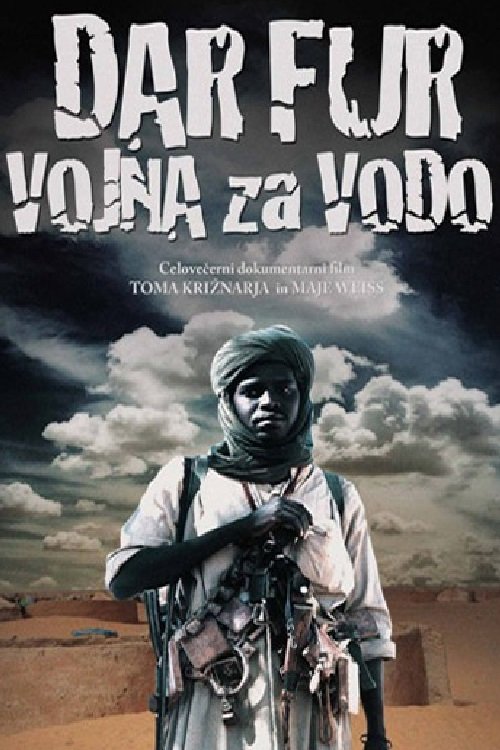
Dar Fur: War for Water succeeds as a powerful piece of humanitarian advocacy by centering the indigenous Sudanese people. By allowing local voices to drive the narrative, the film avoids common ethnographic clichés and provides significant roles to its subjects. It effectively uses the water crisis to critique global political neglect. However, the film's scope is strictly limited to the immediate survival needs of the region. This focus results in a lack of representation for LGBTQ+ identities and a traditional framing of gendered labor. While women's struggles are highlighted, they are presented through the lens of necessity rather than broader social exploration. Ultimately, the documentary's strength lies in its post-colonial perspective. It shifts the focus from Western observers to the lived experiences of those in Darfur, making it a vital document of systemic crisis.
Category Breakdown
The film focuses on survival and geopolitical realities in Darfur. There are no LGBTQ+ characters or narratives featured within the footage.
Women and children are shown carrying the heavy burden of water collection. This highlights the systemic vulnerabilities women face in conflict zones.
The documentary centers indigenous Sudanese populations, avoiding a Western-centric viewpoint. Local people drive the emotional and structural core of the narrative.
The film serves as a post-colonial critique of international capitalism and political inaction. It frames the conflict as a result of global systemic failures.
While no specific characters have diagnosed disabilities, the film captures the physical toll of malnutrition. Extreme exhaustion from resource deprivation is a central visual theme.
Present on Screen
Limited or Absent
Official Synopsis
Risking his life, filmmaker and human rights activist Kriznar travels across Darfur for a peace mission, but business interests appear paramount.
2007

2011
2007
2016
2008

2024
2006
2015
No reviews yet. Be the first to share your thoughts on this movie!
Use the rating form above to leave a star rating and optional review.