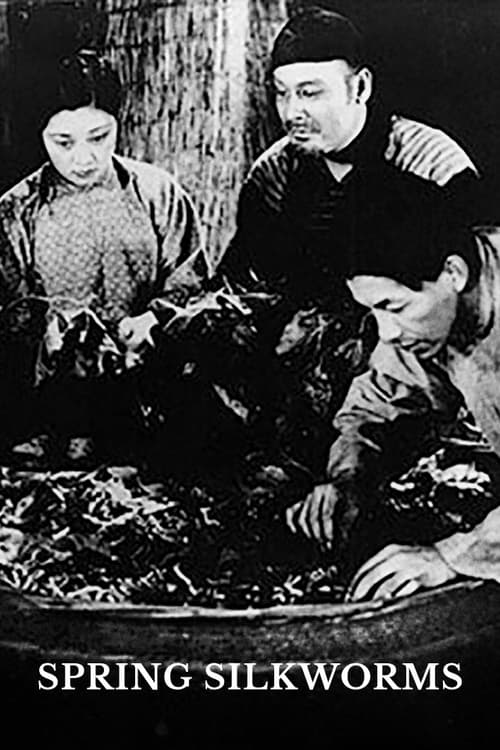
Spring Silkworms
1933
No user ratings available yet
Representation score: 3.2 out of 10
Representation Score
Limited
1994
Director
Huang Shuqin
Runtime
88 minutes
Average Rating
No ratings yetNew Showbiz Analysis
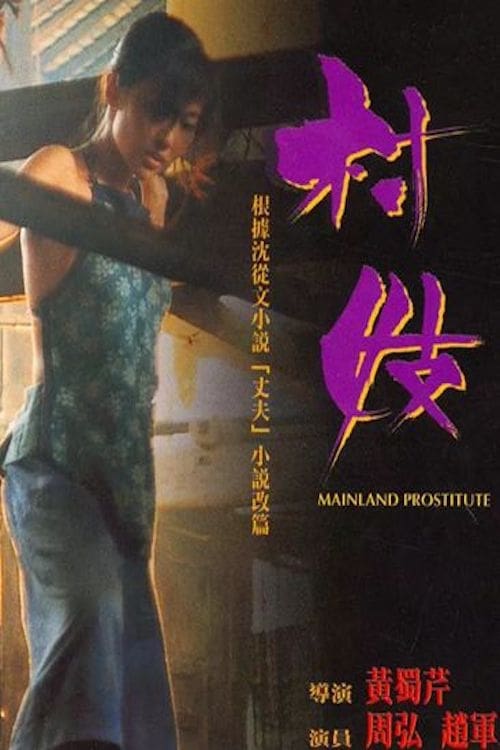
Mainland Prostitute opens not with glamour, but with the drudgery of rural survival, where the camera treats a woman’s body as a ledger entry rather than a source of shame. Directed by Huang Shuqin in 1994, the film strips away the exoticism often attached to Chinese poverty, presenting a stark social realist portrait where the wife’s prostitution is a rational economic strategy, not a moral failing. The sold meaning is clear: in a rapidly changing China, the individual is crushed by the machinery of modernization, and the traditional gender contract is broken by necessity. The husband remains at home, farming with passive competence, while the wife goes into town to sell her body, her labor the only currency that works. The film’s argument is tested against its internal logic: it does not romanticize the woman’s suffering, nor does it offer a clean victory. The ending settles into a bleak status quo, rewarding endurance over moral purity and leaving the systemic structures intact. The camera lingers on her exhaustion, treating her as the moral center not for her virtue, but for her capacity to endure. There is no rescue, no redemption arc, and no punchline; the film simply shows the reality of her life and lets the audience draw their own conclusions. The last image is not a triumph, but a continuation, affirming that in this world, survival is the only reward, and the system never pays the price.
Category Breakdown
No queer characters or same-sex intimacy appear. The narrative tracks exclusively heterosexual dynamics and economic survival. Absence is total.
The wife sells her body to fund the household while the husband farms passively. Her labor is the moral center; his is dependent. The film critiques traditional roles by making her the sole provider.
The cast is entirely Chinese, reflecting the rural setting. No non-white characters or cross-cultural dynamics are depicted. Focus remains on internal class and gender hierarchies.
Traditional rural family structures are inverted by economic necessity. The wife’s prostitution is framed as a rational response to poverty. The system is the antagonist, not the family unit.
No characters with physical or cognitive disabilities appear. The protagonist’s exhaustion is treated as a consequence of labor, not a medical condition or identity marker.
Present on Screen
Limited or Absent
Official Synopsis
A story about a rural family in China. The husband stays at home and farms the land, while the wife goes into town to be a prostitute to earn more money.
1933
1992
2005
1997
2019

2012

1985
1983
No reviews yet. Be the first to share your thoughts on this movie!
Use the rating form above to leave a star rating and optional review.