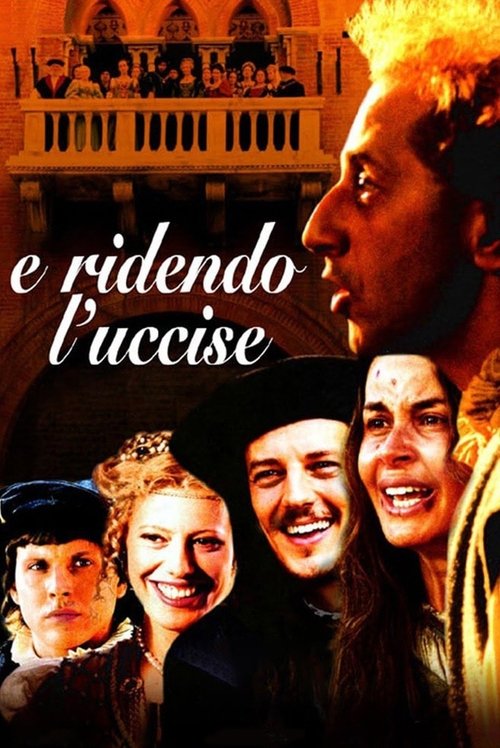
E ridendo l'uccise
2005
No user ratings available yet
Representation score: 7.3 out of 10
Representation Score
Good
1998
Director
Paolo Taviani, Vittorio Taviani
Runtime
99 minutes
Average Rating
No ratings yetNew Showbiz Analysis
The Taviani brothers create a sophisticated, dual-narrative study of isolation and mortality. By contrasting a contemporary psychological crisis with historical Sicilian kidnappings, the film explores how broader social pressures shape human experiences across different eras. The film excels in its nuanced portrayal of disability and its critique of traditional masculine roles. It avoids superficial clichés, instead using physical and psychological vulnerabilities to drive a profound existentialist inquiry. However, the film remains limited in its exploration of broader racial diversity. It lacks explicit LGBTQ+ representation and focuses primarily on regional Italian identity.
Category Breakdown
The film does not include explicit representations of LGBTQ+ identities or relationships that go beyond the assumption that everyone is straight. The story centers on the breakdown of a traditional marriage and the protagonist's isolation.
The story challenges traditional gender hierarchies by focusing on a male protagonist's psychological collapse and loss of control. While the female character is defined by her departure from the domestic sphere, the film avoids typical masculine clichés.
The Sicilian setting allows for an exploration of regional identity and Mediterranean socio-political tensions. However, the film's exploration of racial diversity is limited to this specific cultural context.
The narrative delves deeply into subjective morality and the dismantling of social institutions. It employs an existentialist framework to critique social stability and the recurring nature of human suffering.
Disability plays a central role in the plot, featuring both a heart condition and a character who is a cripple. These limitations are integrated into the characters' existential realities rather than used as inspirational clichés.
Present on Screen
Limited or Absent
Official Synopsis
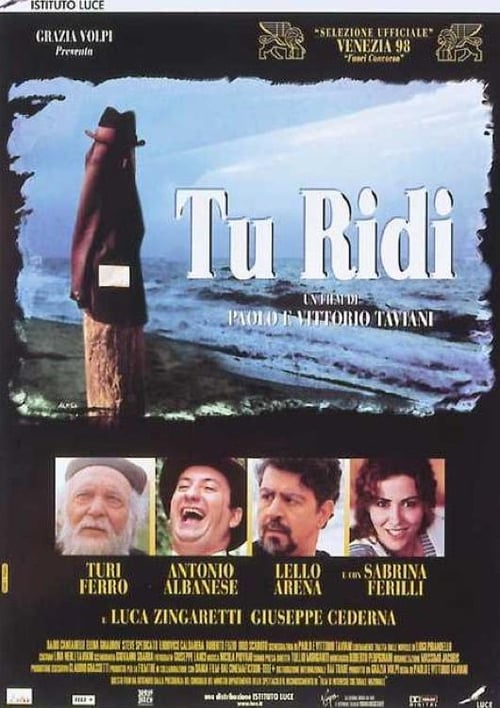
Two segments: In the first one Felice, a baritone who has had to give up his career because of a heart condition and now works as an accountant at the Opera, inexplicably spends his nights laughing in his sleep. When his best friend, a cripple, takes his life and his wife abandons him Felice decides to die himself. In the second segment two kidnappings in Sicily, the second of which took place a century before the present one, are compared.
2005

2001
2002

1965
1994
1979
1998
1992
No reviews yet. Be the first to share your thoughts on this movie!
Use the rating form above to leave a star rating and optional review.