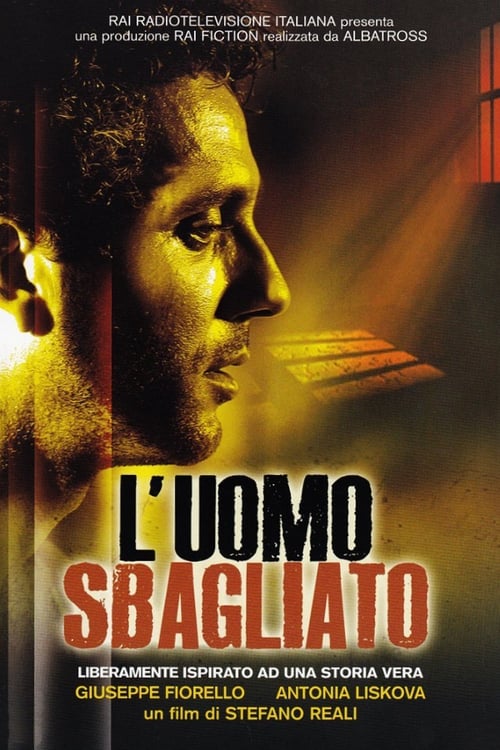
L'uomo sbagliato
2005
No user ratings available yet
Representation score: 4.4 out of 10
Representation Score
Good
2005
Director
Florestano Vancini
Average Rating
No ratings yetNew Showbiz Analysis
Florestano Vancini’s drama functions as a pointed social critique of systemic corruption. It finds its strength in deconstructing the perceived integrity of state institutions and the moral complexities of justice. However, the film lacks demographic breadth. The representation of identity is secondary to the exploration of institutional power, resulting in a homogeneous social landscape that misses opportunities for broader inclusivity.
Category Breakdown
The film focuses on judicial and social structures rather than diverse gender identities. There are no central LGBTQ+ character arcs or active challenges to the assumption that everyone is straight or cisgender.
The film critiques patriarchal institutional power through the lens of individual struggle against the state. It does not prioritize the subversion of gender roles or highlight women's intellectual capabilities.
The cast and setting reflect a relatively homogeneous social landscape. The story focuses on internal socio-political tensions rather than using diverse casting to disrupt Western demographics.
The film excels by critiquing traditional Western institutions and judicial corruption. It challenges the sanctity of the legal order by framing the state as an oppressive force.
Characters may experience psychological or emotional distress due to their environment. However, disability is not presented as a central, ability to act-driven narrative arc.
Present on Screen
Limited or Absent
2005
1997
1995
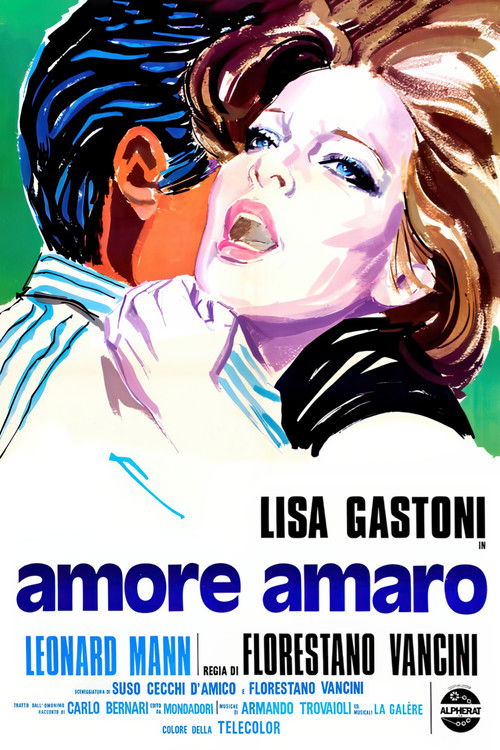
1974

2020

2007
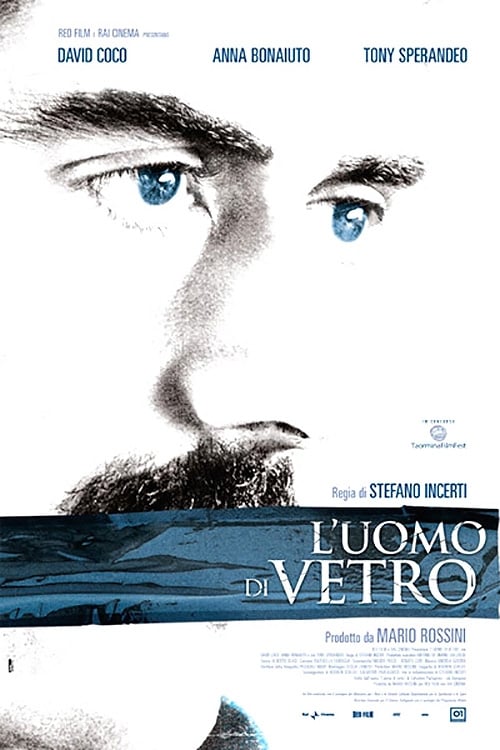
2007
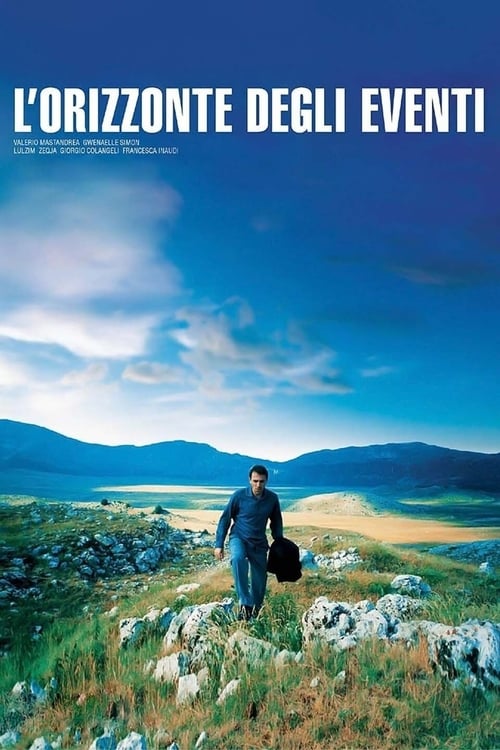
2005
No reviews yet. Be the first to share your thoughts on this movie!
Use the rating form above to leave a star rating and optional review.