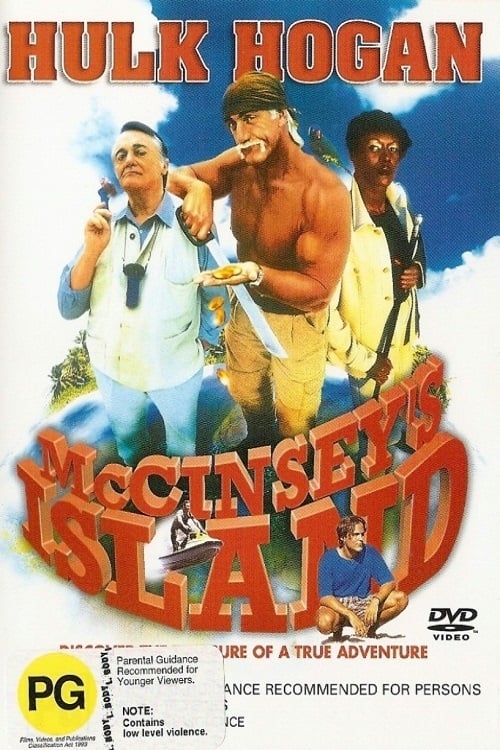
McCinsey's Island
1998
No user ratings available yet
Representation score: 2.9 out of 10
Representation Score
Minimal
1981
PGDirector
Sergio Corbucci
Runtime
102 minutes
Average Rating
No ratings yetNew Showbiz Analysis
This adventure-comedy leans heavily on genre clichés and escapism, avoiding deeper social commentary. The story centers around a transactional relationship between two male leads, reinforcing a male-dominated space typical of 1980s action cinema. While the Pacific island setting introduces diverse ethnic groups, these characters primarily serve as environmental factors or obstacles, lacking the depth needed to move beyond conventional colonialist clichés or offer meaningful multi-layered representation. Ultimately, the work remains rooted in a traditional storytelling tradition that avoids challenging established social structures.
Category Breakdown
The film operates within a traditional straight-centered framework. There are no depictions of same-sex intimacy or non-assuming gender matches what was assigned at birth gender identities.
The narrative is strictly male-centric, prioritizing male camaraderie and conflict. Female characters possess negligible ability to act or presence within the story.
Indigenous populations and Japanese military remnants provide non-Western elements. However, these characters function mostly as obstacles rather than nuanced individuals.
The film utilizes moral relativism and opportunism as standard plot drivers. It does not engage in a systemic critique of Western institutions.
There are no discernible portrayals of visible or invisible disabilities. No such characters impact the plot or character arcs.
Present on Screen
Limited or Absent
Official Synopsis
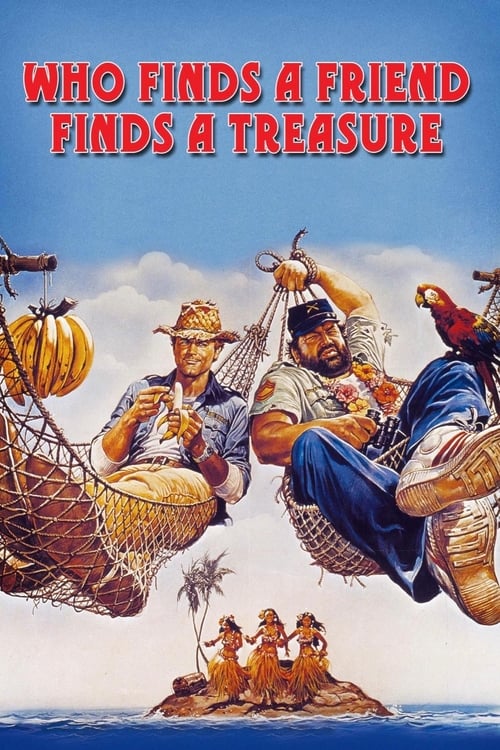
Alan gets a map to some war treasure which the Japanese army left behind on a small Pacific island at the end of World War II. But some gangsters try to steal the map from him and so he hides on Charlie's boat which just leaves the harbor. He manipulates the ship's compass so that Charlie is not aware that he is sailing to the treasure island. But when they step on the island, they discover that it is not as abandoned as they believed: there are some natives - and a Japanese soldier still defending the treasure
1998

1964

2024

1939

1970

1967
1981

1963
No reviews yet. Be the first to share your thoughts on this movie!
Use the rating form above to leave a star rating and optional review.