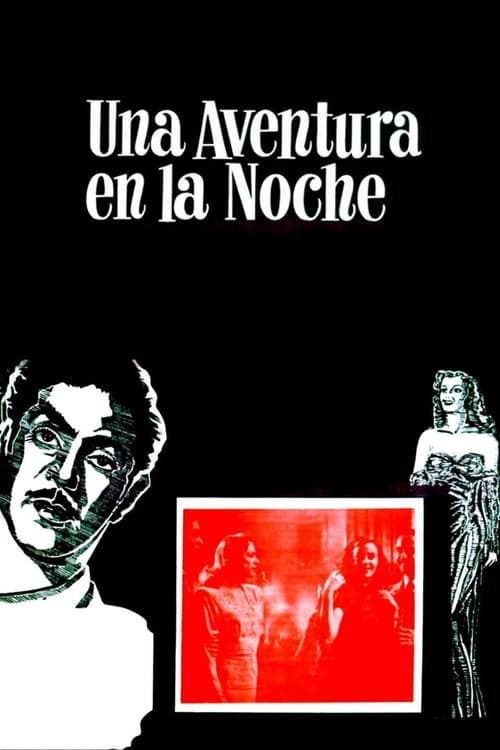
An Adventure in the Night
1948
No user ratings available yet
Representation score: 0.6 out of 10

Representation Score
Fair
1973
Director
Giuseppe Pellegrini
Runtime
87 minutes
Average Rating
No ratings yetNew Showbiz Analysis
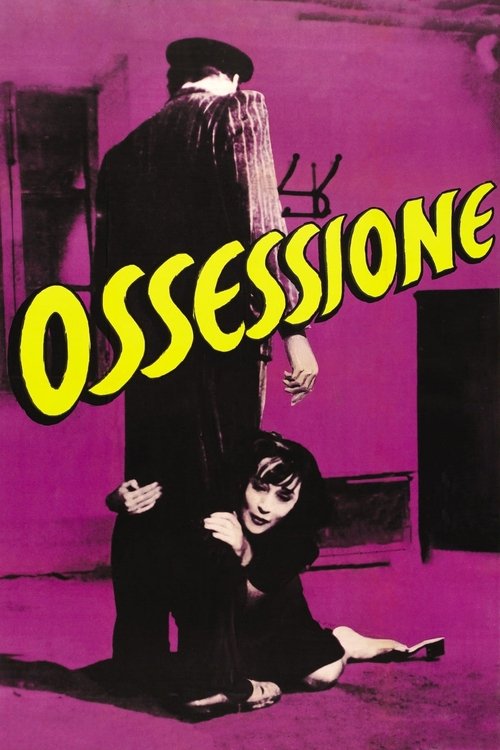
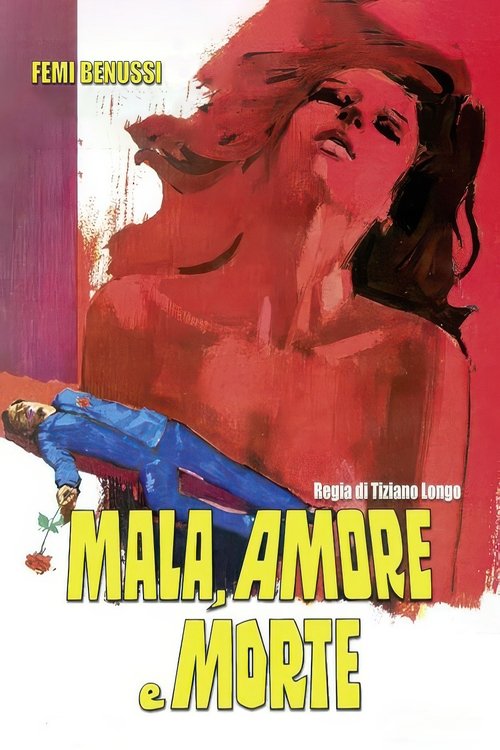
Love and Death on the Edge of a Razor functions as a character-driven thriller that finds its strength in subverting gender roles. While the romantic core is conventional, Lidia’s transformation from a romantic interest into a complex, actively leading figure provides a necessary layer of intrigue. The film also offers a sophisticated critique of social hierarchies. By weaving together religious, familial, and capitalist structures within a web of criminal corruption, the story moves beyond simple noir clichés to explore systemic moral ambiguity. However, the film remains limited by its era's demographic focus. The lack of explicit LGBTQ+ representation and a likely Eurocentric cast keep the diversity profile moderate.
Category Breakdown
The story focuses on a traditional romance between Stefano and Lidia. There are no characters with non-binary gender identities or critiques of the assumption that everyone is straight or cisgender.
Lidia avoids the damsel-in-distress cliché by evolving into a complex, actively leading figure. She navigates underworld hierarchies and manipulates Stefano's perception of reality.
The film likely reflects a Eurocentric demographic typical of 1970s Italy. While the setting is globalized, the narrative focus appears primarily centered on European contexts.
The plot deconstructs traditional institutions by linking the upper class, religious authority, and organized crime. It explores corruption through interconnected social pillars.
The narrative does not feature any visible or invisible disabilities that impact the story arc.
Present on Screen
Limited or Absent
Official Synopsis
Stefano, the son of a wealthy businessman, meets a beautiful woman named Lidia while accompanying his father to a meeting with a cardinal. He pursues her through the streets of Venice and a romance develops. Upon returning from an overseas business trip, he is informed that Lidia has been killed in an accident. Soon afterwards, he thinks he recognizes her at a building site, but the woman claims to be a reporter who is obviously involved with gangsters. Furthermore, all evidence of Lidia's death has now been obliterated. Stefano continues to investigate the mystery, uncovering family intrigues
1948

1950
1953
1943
1940
1955
1977

1971
No reviews yet. Be the first to share your thoughts on this movie!
Use the rating form above to leave a star rating and optional review.