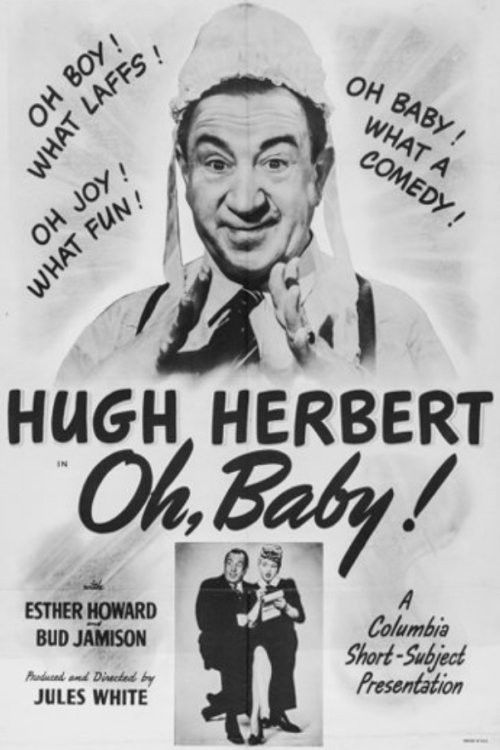
Oh, Baby!
1944
No user ratings available yet
Representation score: 0.9 out of 10
No Poster Available
Representation Score
Minimal
1934
ApprovedDirector
William Watson
Runtime
19 minutes
Average Rating
No ratings yetNew Showbiz Analysis
Dog-gone Babies is a product of the 1930s studio system, utilizing standard comedic clichés to appeal to a mass audience. The narrative relies on a singular, traditional perspective that reinforces existing social hierarchies rather than challenging them. The film's humor is derived from a man's preference for dogs over children, a premise that centers on male professional mobility. This focus results in a lack of multi-layered complexity or diverse representation. Ultimately, the film functions as a period-specific comedy that prioritizes conventional social archetypes over any meaningful exploration of diverse identities or systemic social structures.
Category Breakdown
The film does not include any LGBTQ characters or narratives that challenge the assumption that everyone is straight. The story focuses on traditional domestic and professional conflicts.
The plot centers on a male protagonist navigating career advancement and domestic life. It emphasizes men's control over the story within the workplace and home.
The narrative lacks meaningful racial integration or diverse casting. It appears to follow the homogeneous casting norms of 1930s American cinema.
The comedy explores the tension between individual desires and the nuclear family. It treats family structures as a situational gag rather than a systemic critique.
There is no mention of characters with visible or invisible disabilities in the film.
Present on Screen
Limited or Absent
Official Synopsis
In this short film from Educational Pictures, Ernest Truex stars as a man who doesn't like kids and prefers dogs. This gets him in good with the boss, as several other potential candidates for a transfer to South America were ineligible since they had families and didn't want to leave the country. But since Ernest doesn't want kids, he manages the promotion. Of course, there's FAR more to this story...especially when he comes home and finds a baby!
1944
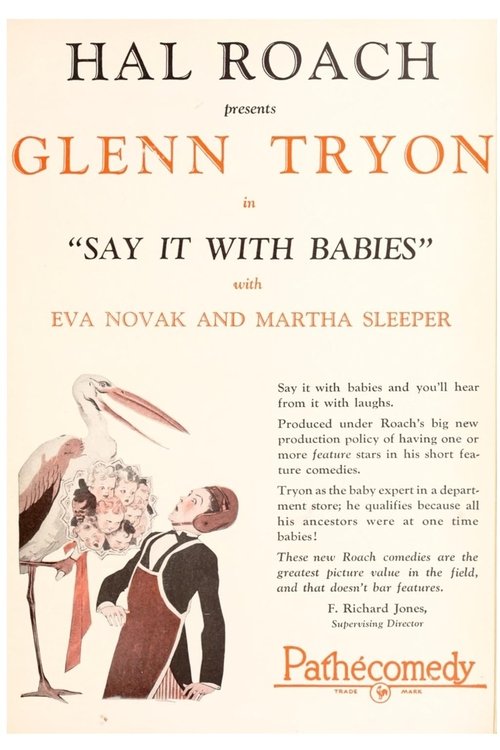
1926
1935
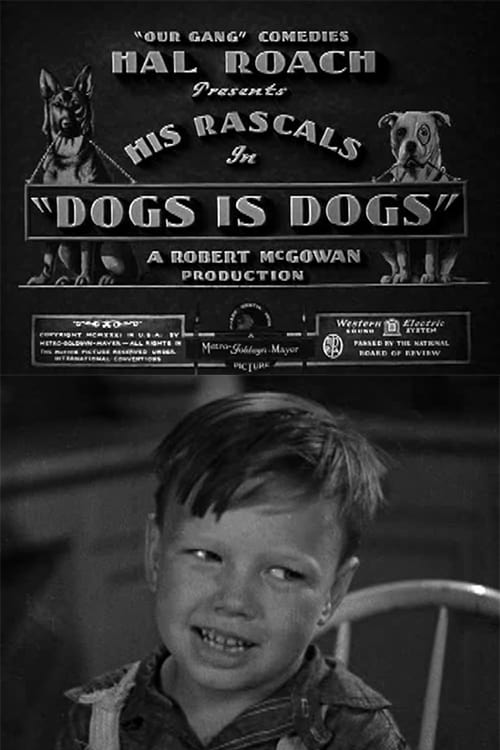
1931
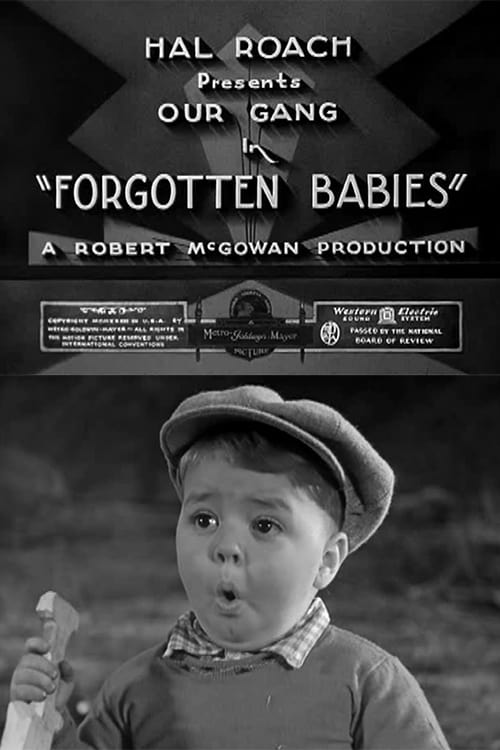
1933
1934
1924
1934
No reviews yet. Be the first to share your thoughts on this movie!
Use the rating form above to leave a star rating and optional review.