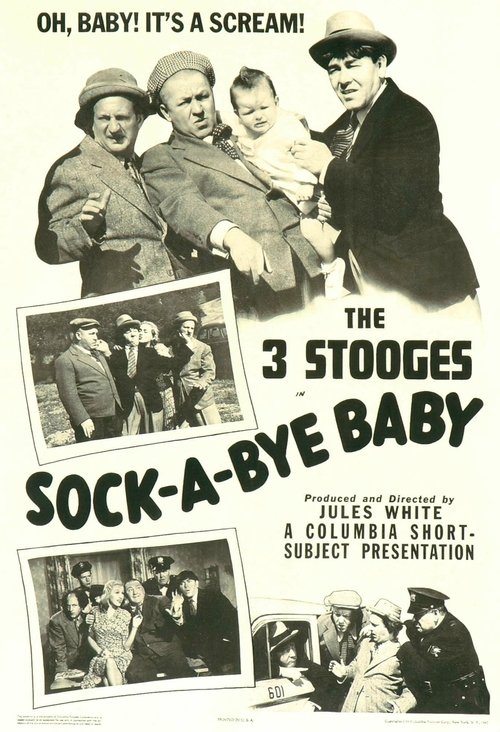
Sock-a-Bye Baby
1942
No user ratings available yet
Representation score: 0.5 out of 10
Representation Score
Minimal
1938
NRDirector
Charley Chase
Runtime
18 minutes
Average Rating
No ratings yetNew Showbiz Analysis
This 1938 short comedy follows a conventional slapstick format that aligns closely with the social hierarchies of its time. The narrative focuses on physical humor and restoring the status quo, rather than representing diverse identities. The film depends on traditional clichés, such as using gendered disguises for laughs and centering the plot around a nuclear family unit. It lacks the intention to challenge or broaden the prevailing social norms of the 1930s.
Category Breakdown
The film does not include representations of non-binary genders or same-sex relationships. A male character dressing up as a mother is used for comic relief rather than exploring gender issues.
Gender roles are used mainly for comedic purposes. The portrayal of a mother figure is used as a joke, and the story is driven by male characters through physical comedy.
The cast seems uniform, reflecting typical social settings of 1938. There is no indication of diverse ethnic representation among the actors.
The story upholds traditional Western values and emphasizes the sanctity of the nuclear family. It aims to restore social order without questioning established institutions.
There are no characters with visible or invisible disabilities. The humor is based on situational absurdity rather than on the lived experiences of individuals with disabilities.
Present on Screen
Limited or Absent
Official Synopsis
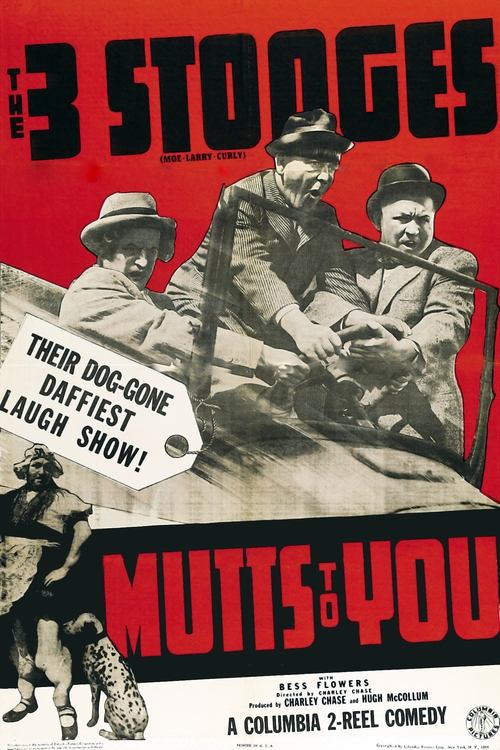
The stooges, professional dog washers, find a baby on a doorstep and, thinking it to be abandoned, take it home. When they read in the paper the baby is believed to have been kidnapped, they disguise Curly as a the baby's mother and try to sneak past the local cop. They are caught, but when the baby's parents show up and realize what happened, the result is a happy ending.
1942
1939
1937
1951
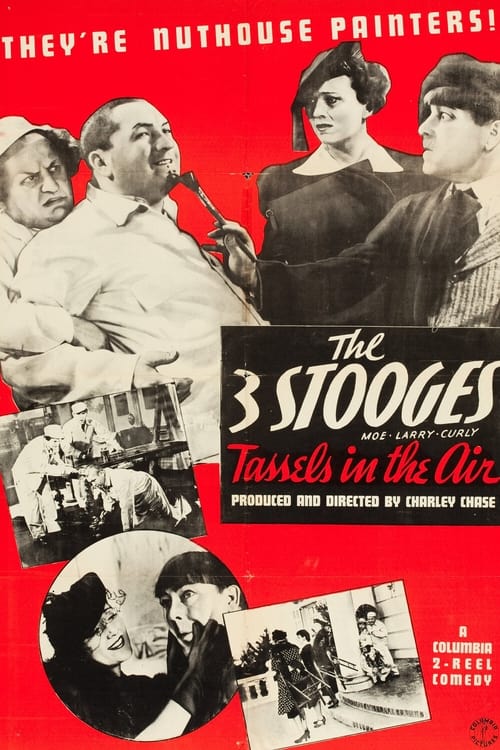
1938
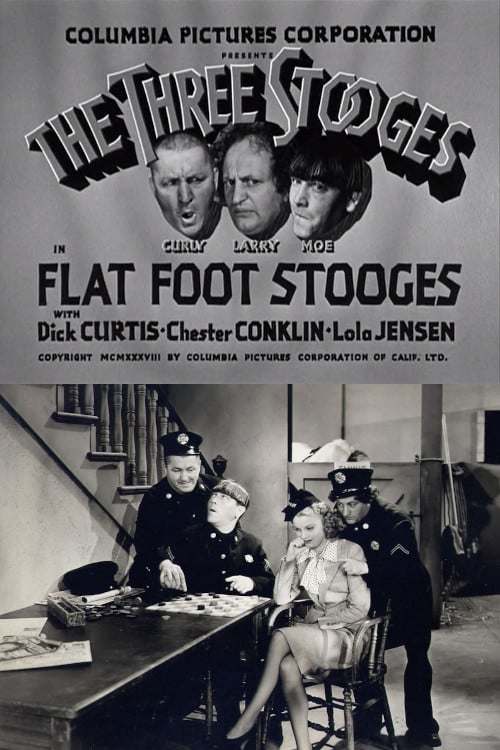
1938
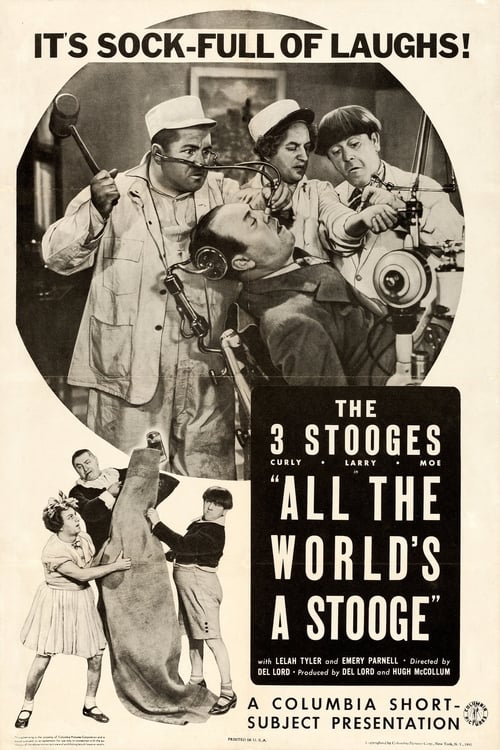
1941
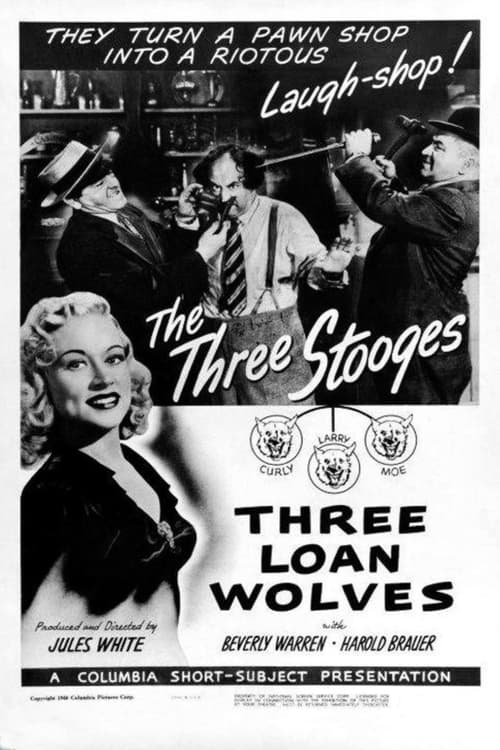
1946
No reviews yet. Be the first to share your thoughts on this movie!
Use the rating form above to leave a star rating and optional review.