
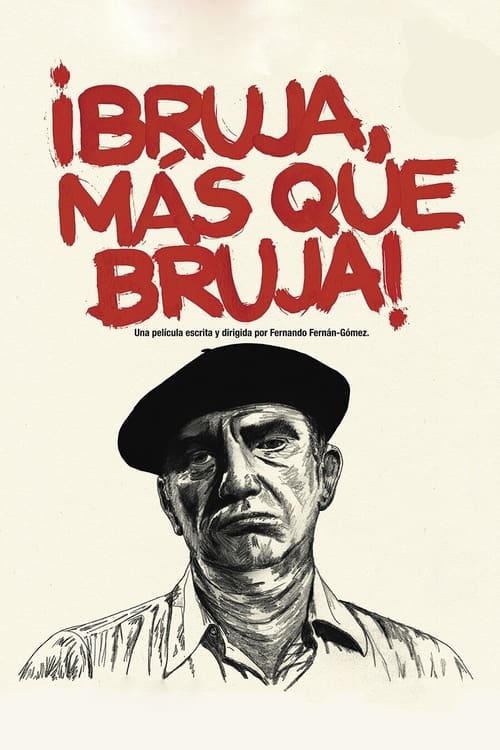
The Mistress
1976
No user ratings available yet
Representation score: 3.9 out of 10
Representation Score
Good
1977
Director
Fernando Fernán Gómez
Runtime
92 minutes
Average Rating
No ratings yetNew Showbiz Analysis
Fernando Fernán Gómez uses satire to deconstruct traditional power structures and social rigidity. The film succeeds in its critique of patriarchal hierarchies and the way communal superstition is used to suppress female autonomy. However, the work is limited by the demographic homogeneity of its historical setting. It lacks representation for LGBTQ+ identities and racial diversity, adhering strictly to the provincial Spanish context of the era. Ultimately, the film is a sophisticated social critique that trades modern demographic breadth for a deep investigation into institutional corruption and gendered persecution.
Category Breakdown
The film focuses on social structures that assume everyone is straight and cisgender. There are no queer narratives or non-cisgender identities in the story.
The plot challenges the idea of passive women by focusing on a woman accused of witchcraft. It explores the tension between a woman's ability to drive the story and the control exerted by a patriarchal society.
Set in a rural Spanish context, the film reflects the demographic homogeneity of its time. The cast and narrative do not engage with racial or ethnic diversity.
The narrative criticizes religious authority and communal superstition. It portrays organized social structures and the cacique system as potentially oppressive or irrational tools of control.
The film lacks characters with specific disabilities. It only touches upon the psychological state of a community driven by collective hysteria and superstition.
Present on Screen
Limited or Absent
Official Synopsis
A small provincial town lives under the caprices of Don Justin, the local cacique. This forces the young Mariana to marry him, taking advantage of the fact that her nephew Juan, the boyfriend of the girl, is far away from military service. Upon his return, Juan is mocked and goes to a witch to assist him in his revenge.
1976
1976
1980
1942
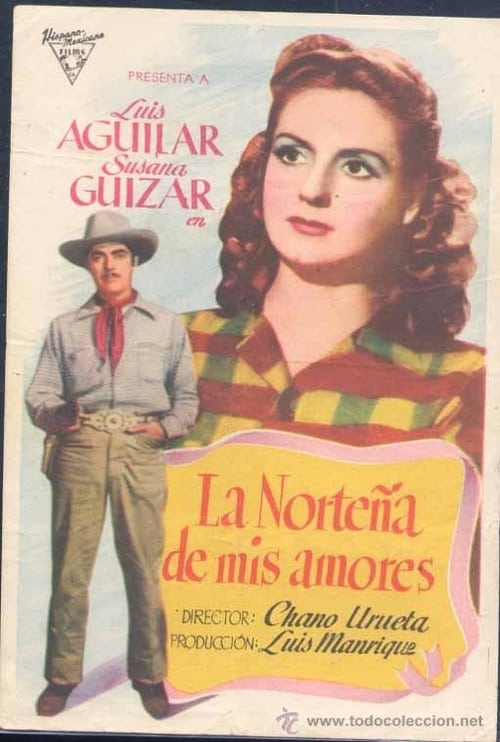
1948
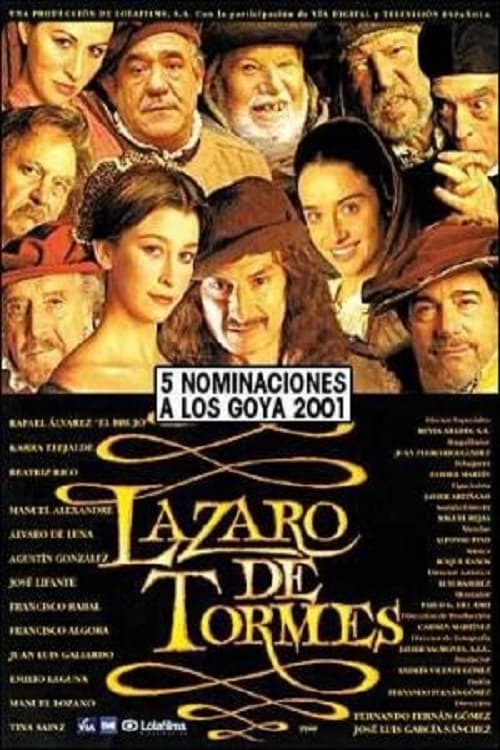
2001
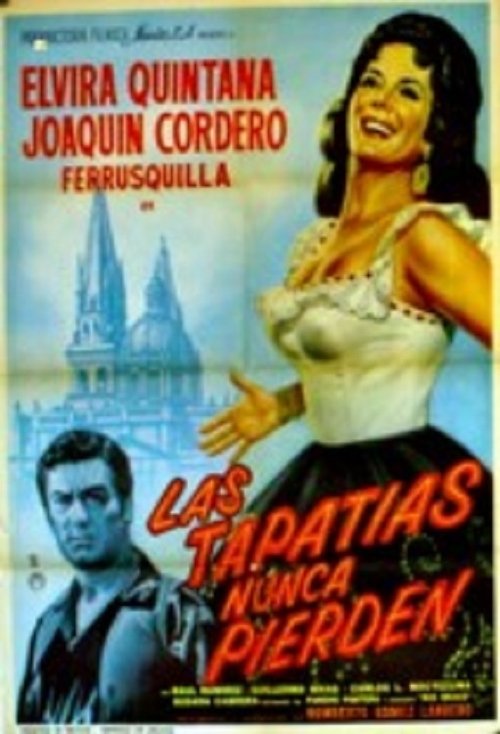
1965
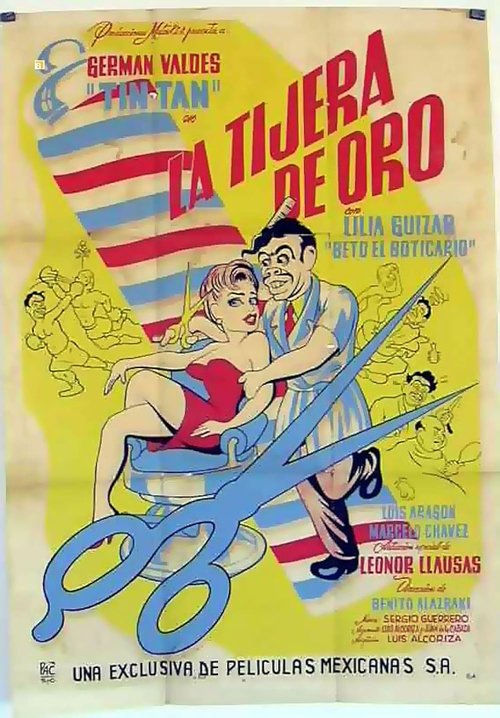
1960
No reviews yet. Be the first to share your thoughts on this movie!
Use the rating form above to leave a star rating and optional review.