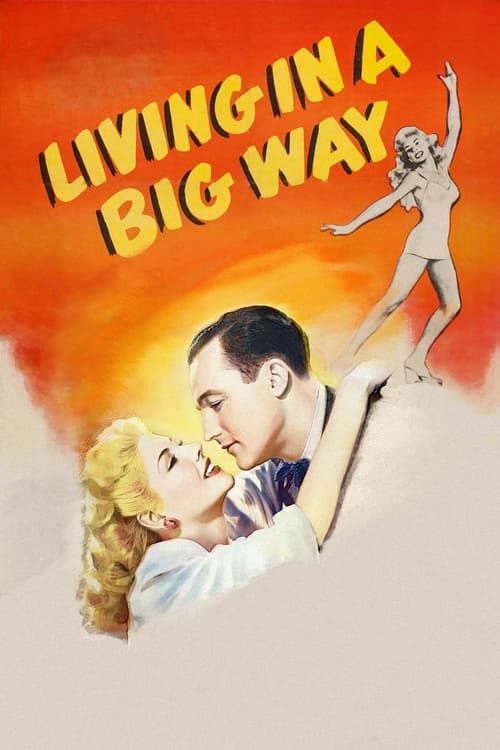
Living in a Big Way
1947
No user ratings available yet
Diversity score: 2.6 out of 10

1954
NRDirector
Norman Taurog
Runtime
94 minutes
Average Rating
No ratings yetSynopsis
Homer Flagg is a railroad worker in the small New Mexico town of Desert Hole. One day, he finds an abandoned automobile at an old atomic proving ground. His doctor and best friend, Steve Harris, diagnoses him with radiation poisoning and gives Homer three weeks to live. A big city reporter hears of Homer's plight and convinces her editor to provide an all-expenses paid trip to New York.
Overall Score
Limited
Category Breakdown
LGBTQ+ Representation
The film lacks any indication of non-heteronormative identities. The narrative architecture appears to adhere to the standard heteronormative social frameworks typical of 1954 musical comedies.
Gender Representation
A female reporter provides professional agency by facilitating the protagonist's journey. However, she likely functions within traditional mid-century roles, serving as a catalyst for a male-driven arc.
Racial & Ethnic Diversity
Despite a New Mexico setting, the story centers on a white-coded protagonist and journalist. There is no evidence of diverse casting used to disrupt historical norms.
Religious & Cultural Diversity
The film utilizes a small-town versus big-city trope that reinforces traditional American values. It operates within the established moral and social paradigms of 1950s Hollywood.
Disability Representation
The protagonist's terminal radiation poisoning serves primarily as a plot device for travel. The illness risks being used for sentimentality rather than exploring a nuanced lived experience.
Strengths
Areas for Improvement
AI Analysis
Living It Up is a product of the mid-century studio system, prioritizing mainstream comedic tropes over intersectional complexity. The narrative focuses on individual circumstances and conventional social mobility within a traditional framework. The film relies on established social norms, offering little subversion of systemic hierarchies. While it introduces a female professional, the character's role remains tethered to the protagonist's development. Ultimately, the work reflects the era's standard cinematic architecture, favoring predictable narrative structures and conventional Western perspectives over diverse or disruptive representation.
1947
1946
1968
1949

1963
1941
1944
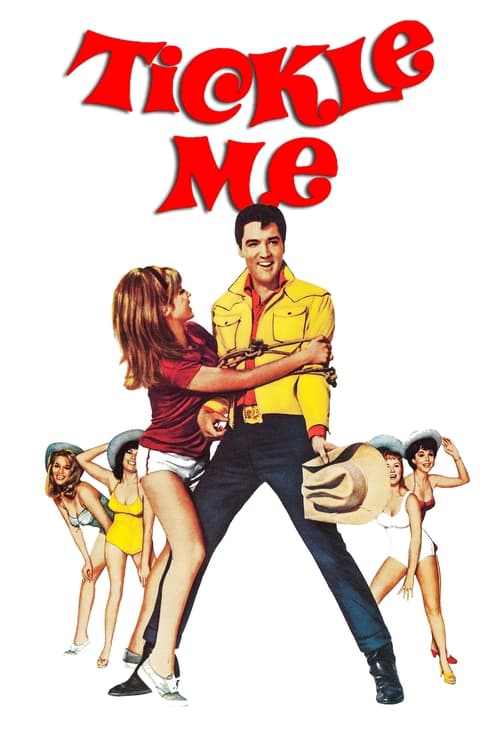
1965
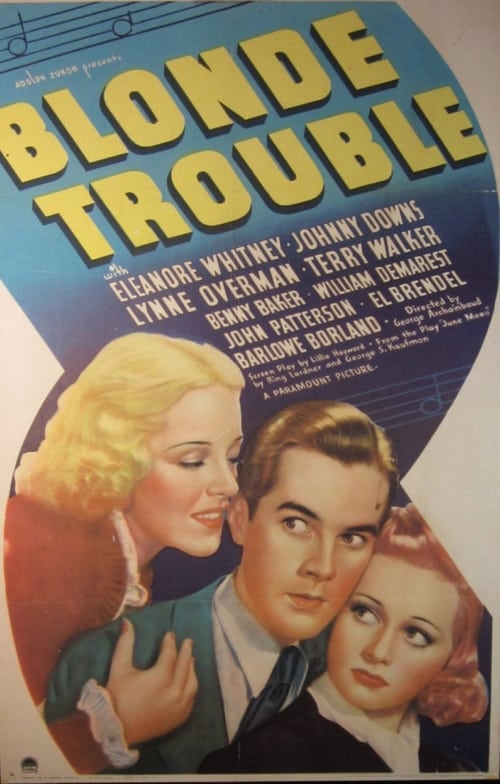
1937
1939
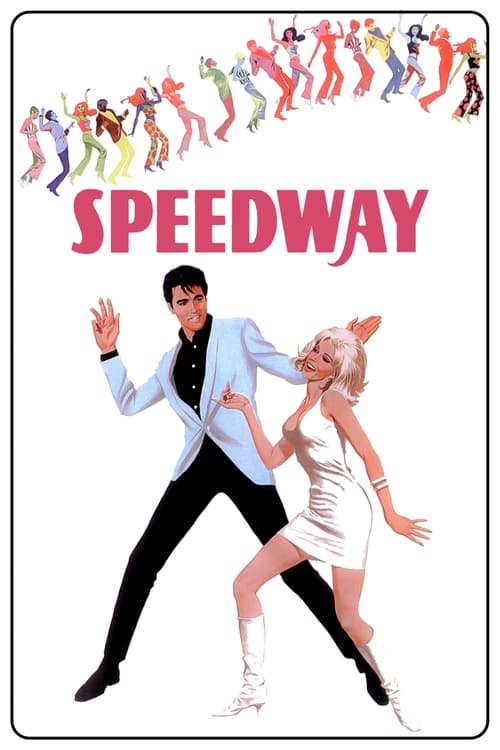
1968
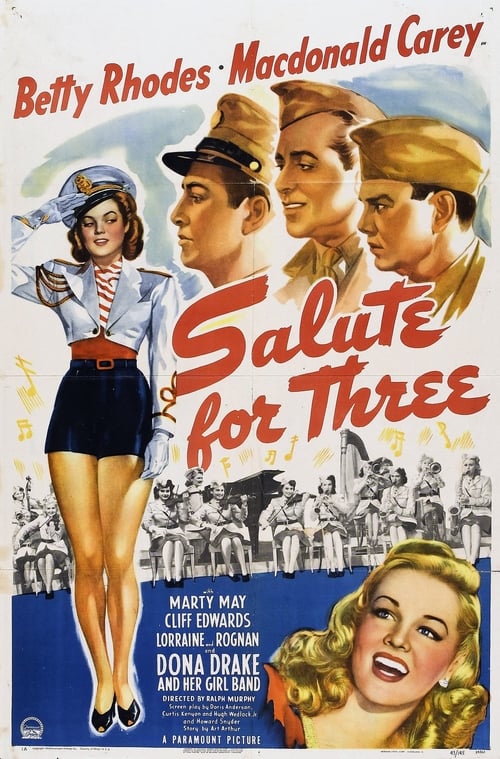
1943
No reviews yet. Be the first to share your thoughts on this movie!
Use the rating form above to leave a star rating and optional review.