
Tercio de quites
1951
No user ratings available yet
Representation score: 2.7 out of 10
Representation Score
Minimal
1948
TV-14Director
Alejandro Galindo
Runtime
81 minutes
Average Rating
No ratings yetNew Showbiz Analysis
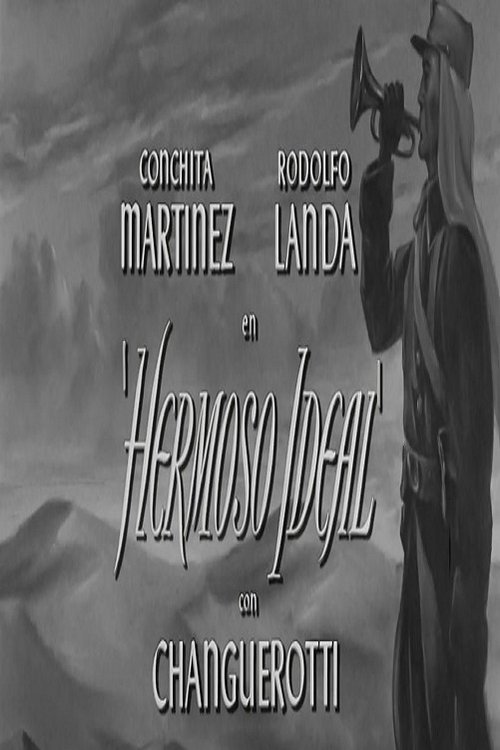
Alejandro Galindo’s *Hermoso ideal* is a mid-century melodrama that prioritizes individual psychological obsession over systemic critique. The film functions as a character study of a male protagonist caught in a romantic triangle, leaning heavily into the conventions of the Golden Age of Mexican cinema. The narrative structure centers on the male experience, reinforcing the social mores of 1940s Mexico. While it captures the demographic realities of the era through its Mestizo cast, it lacks multi-layered complexity or any attempt to challenge established social hierarchies. Ultimately, the film maintains a conservative approach to character's ability to drive the story, focusing on personal, moralistic struggles rather than exploring identity politics or deconstructing the status quo.
Category Breakdown
The film operates within a strictly straight-centered framework. The narrative is driven by a traditional romantic triangle involving a male protagonist and two female subjects.
Traditional gender hierarchies are reinforced throughout the story. Women function largely as objects of desire or catalysts for the male lead's obsession rather than independent agents.
The casting reflects the demographic realities of the Mexican Golden Age, featuring a primarily Mestizo cast. It represents the era's standard for urban, middle-to-upper-class Mexican identity.
This conventional melodrama does not challenge Western or traditional institutions. The narrative adheres to dramatic clichés of romantic destiny and emotional consequence common to the period.
There are no visible or invisible disabilities portrayed as central to the character arcs. No disabilities are used as significant plot devices in this work.
Present on Screen
Limited or Absent
Official Synopsis
Two Spanish children, boy and girl, make friends with a Mexican boy while on vacation. In adulthood, their friendship turns into a romantic triangle. Then bullfighting and the Foreign legion and stuff.
1951
1953
1945
1946
1947
1958
1959

1949
No reviews yet. Be the first to share your thoughts on this movie!
Use the rating form above to leave a star rating and optional review.