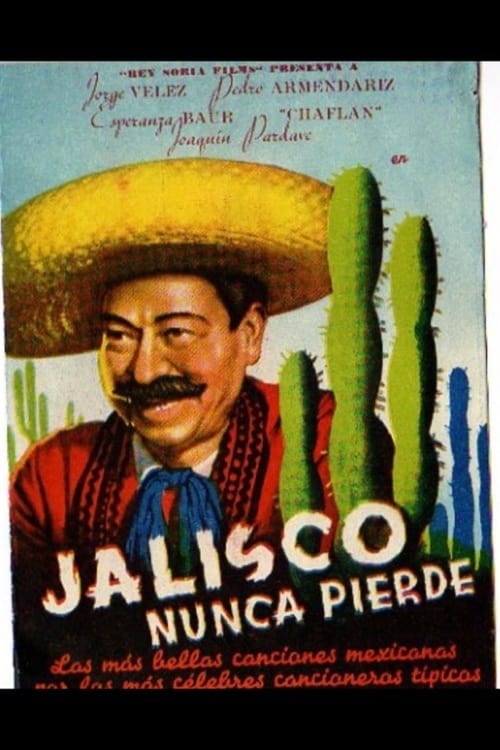
Jalisco nunca pierde
1937
No user ratings available yet
Representation score: 1.5 out of 10
Representation Score
Limited
1945
Director
Miguel Zacarías
Runtime
119 minutes
Average Rating
No ratings yetNew Showbiz Analysis
This 1945 melodrama offers a glimpse into the social hierarchies of mid-century Mexico. While it effectively captures the regionalist traditions and cultural landscapes of the era, it remains firmly rooted in the conservative norms of its time. The film's structure heavily relies on traditional gender roles and patriarchal authority. The central conflict is driven by male competition, leaving the female protagonist as a passive participant in her own life story. Ultimately, the work reflects historical social constraints. It authentically depicts Mexican rural life but lacks the complexity found in more contemporary narratives.
Category Breakdown
The film focuses on a heterosexual rivalry between two men. There are no queer subtexts or representations of non-straight identities.
The female lead plays a minor role and is largely defined by her relationship to the male characters. She lacks control over her own destiny, which is determined by patriarchal structures and an arranged marriage.
The film centers on Mexican national identity and rural life. It highlights indigenous and mixed cultural landscapes typical of the era.
The story emphasizes traditional social institutions and family authority. It prioritizes communal stability and conservative values over individual rebellion.
The narrative does not include any characters with visible or invisible disabilities.
Present on Screen
Limited or Absent
Official Synopsis
In rural Mexico, a young man competes with his best school friend for the love of a girl whose marriage has been arranged by her parents.
1937
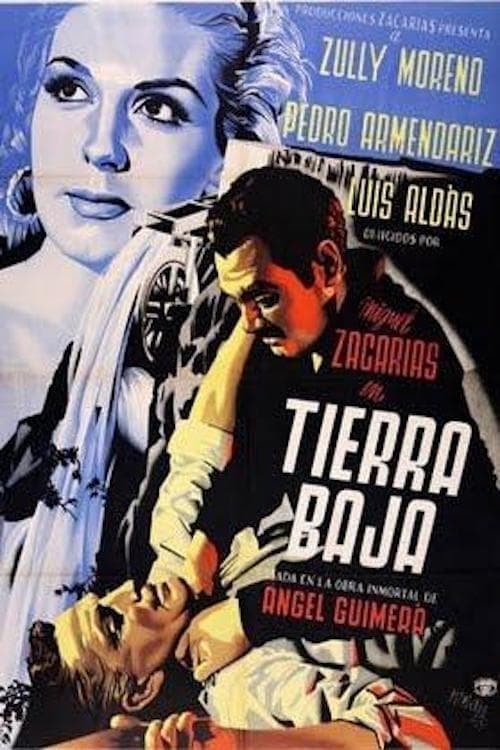
1951
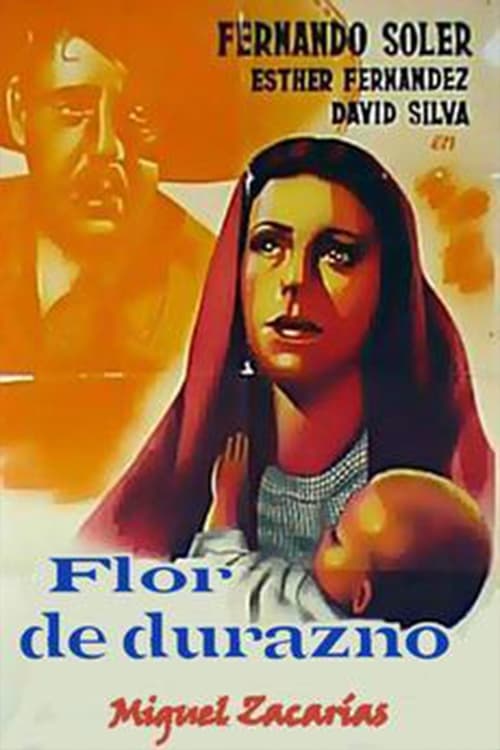
1945
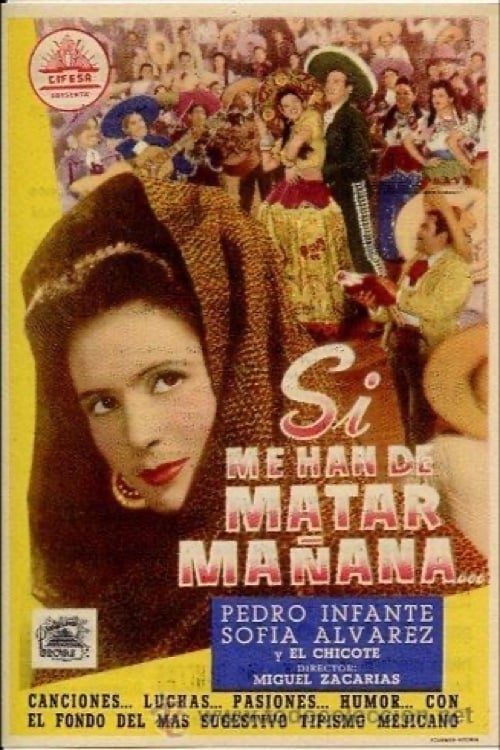
1947
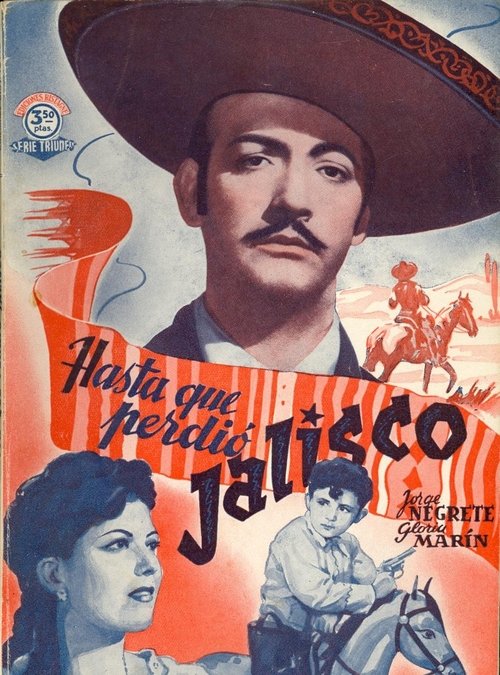
1945
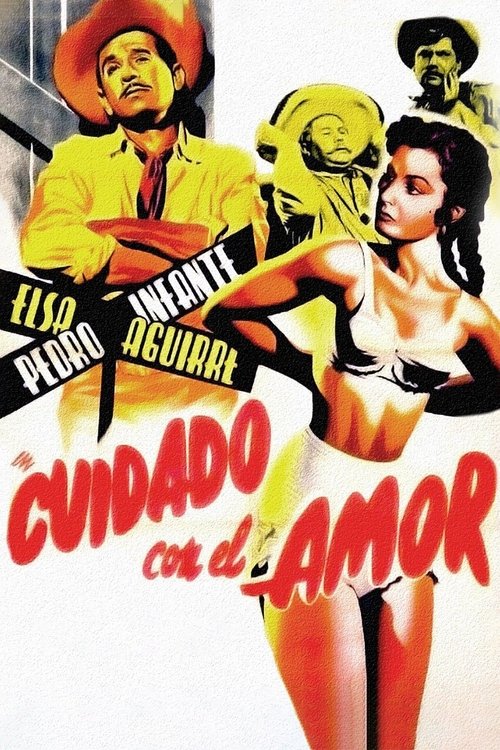
1954
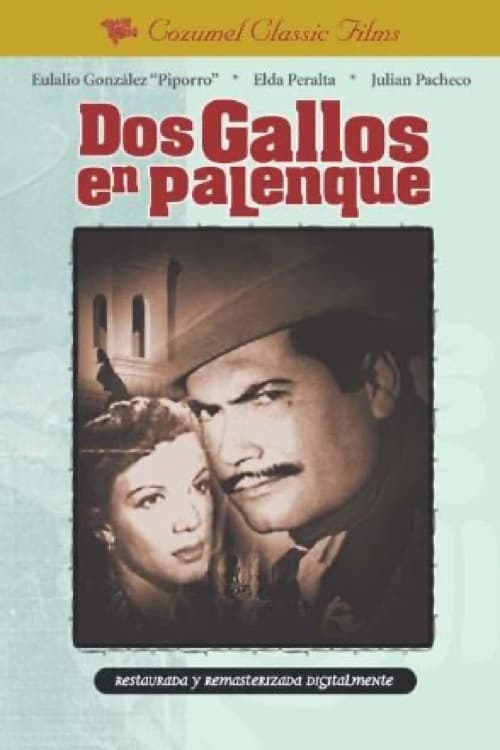
1960
1951
No reviews yet. Be the first to share your thoughts on this movie!
Use the rating form above to leave a star rating and optional review.