
The Boy and the Beast
2015
No user ratings available yet
Representation score: 6.2 out of 10
Representation Score
Fair
2018
PGDirector
Mamoru Hosoda
Runtime
98 minutes
Average Rating
No ratings yetNew Showbiz Analysis
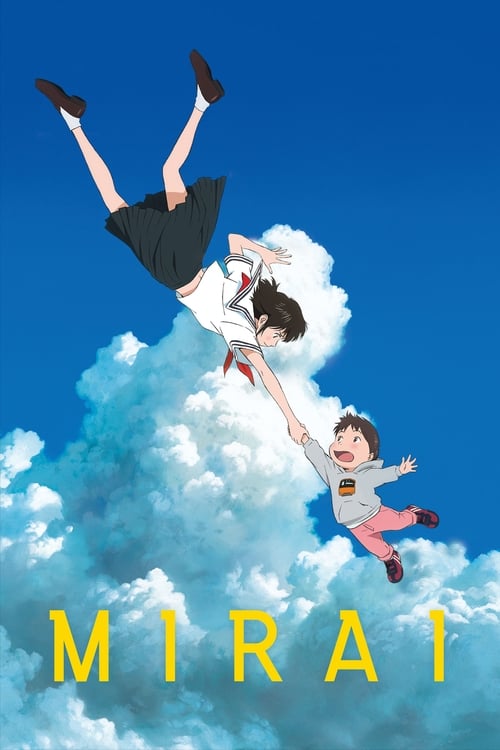
Mirai is a deeply character-driven exploration of family lineage and temporal identity. It excels at using magical realism to examine the psychological growth of a child within a specific cultural context. While the film offers significant depth regarding gendered perspectives in the domestic sphere, it remains rooted in traditional structures. The narrative lacks engagement with broader systemic identity politics or diverse ethnic representation. Ultimately, the film is a specialized, culturally specific portrait of a Japanese family, prioritizing domestic realism and emotional complexity over social or political deconstruction.
Category Breakdown
The film focuses on a traditional family structure where everyone is assumed to be straight and cisgender. There are no depictions of LGBTQ+ identities or same-sex relationships.
Female characters, including the mother and grandmother, play important roles in the protagonist’s development. The film passes the Bechdel test by showing meaningful interactions between women.
The cast consists of a homogeneous Japanese group, reflecting a specific cultural setting. It lacks diverse ethnic representation.
The story centers on secular, domestic life within a middle-class Japanese household. It does not explore religious frameworks.
There are no explicit depictions of physical or neurodivergent disabilities. However, the film explores the emotional and cognitive changes experienced by a young child.
Present on Screen
Limited or Absent
Official Synopsis
Four-year-old Kun struggles with jealousy after his newborn sister, Mirai, begins receiving most of his family’s attention. Retreating to the garden, he encounters Mirai as a teenager from the future and embarks on extraordinary journeys across his family’s past, gradually discovering new perspectives on love, belonging and what it means to become an older brother.
2015
2012
2018
2017
2012
2022
2010
2014
No reviews yet. Be the first to share your thoughts on this movie!
Use the rating form above to leave a star rating and optional review.