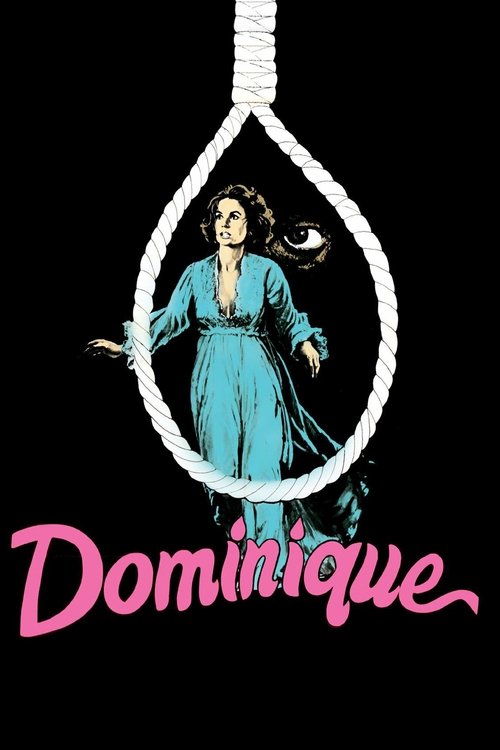
Dominique
1980
No user ratings available yet
Representation score: 2.0 out of 10

Representation Score
Fair
1978
RDirector
Richard Loncraine
Runtime
98 minutes
Average Rating
No ratings yetNew Showbiz Analysis
Full Circle is a character-driven psychological study that finds its strength in its subversion of traditional gender roles. By centering a woman who seeks independence from a traditional marital structure, the film offers a powerful look at female empowerment during a period of social change. However, the film remains limited by the homogeneous society of its era. It lacks visible LGBTQ+ representation and racial diversity, focusing instead on a specific British class context. The narrative's use of psychological distress as a supernatural device prevents a deeper exploration of mental health issues.
Category Breakdown
The film does not explicitly address non-traditional gender identities or same-sex relationships. The story focuses on the protagonist's departure from a traditional marriage and personal mourning.
The narrative challenges traditional gender roles by centering a woman who leaves her role as a housewife to seek independence. Her journey highlights her personal control over her life.
The production reflects the homogeneous society of its time. There are no non-Anglo-Saxon characters in central roles within this British class setting.
The film examines the tension between individual identity and strict social authorities. It gently critiques traditional Western domesticity through the protagonist's desire for a new beginning.
Psychological trauma and grief are used primarily as elements of a supernatural plot. The protagonist's emotional state drives the supernatural storyline rather than providing a detailed look at mental health.
Present on Screen
Limited or Absent
Official Synopsis
After the death of her daughter, wealthy housewife Julia Lofting abruptly leaves her husband and moves into an old Victorian home in London to re-start her life. All seems well until she is haunted by the sadness of losing her own child and the ghosts of other children.
1980
1971
1971

1989

1945
1965
1993
1964
No reviews yet. Be the first to share your thoughts on this movie!
Use the rating form above to leave a star rating and optional review.