The Turn of the Screw
1974
No user ratings available yet
Representation score: 6.6 out of 10
Representation Score
Good
2009
Not RatedDirector
Tim Fywell
Runtime
89 minutes
Average Rating
No ratings yetNew Showbiz Analysis
The film excels as a psychological study that emphasizes female empowerment and moral complexity. It uses the historical context to delve into deep, personal experiences of identity and perception. However, the production is limited by its racially uniform cast, which reflects the 19th-century setting rather than an intentional narrative choice. Overall, the film prioritizes psychological depth over overt representation, offering a nuanced view of mental instability and repressed desires.
Category Breakdown
While the film doesn't show non-straight relationships explicitly, it hints at a queer interpretation through the protagonist's internal conflicts and repression.
The story focuses on the female protagonist's role and her intellectual journey. By making her the main character, the film challenges traditional gender roles from the Victorian era.
The cast is mostly white, reflecting the societal norms of a mid-19th-century English estate. There's no effort to include actors of different races or ethnicities.
The film explores subjective morality and personal perception, challenging the idealized Victorian family life. It highlights psychological instability and individual perspectives.
The film examines mental health and neurodivergence through the governess's declining mental state. It sometimes uses the unreliable narrator technique to create tension.
Present on Screen
Limited or Absent
Official Synopsis
In a mid-19th century Essex country house, a young governess for two children becomes convinced that the house and grounds are haunted by ghosts and that the children are being possessed.
1974
1961
1992

1989
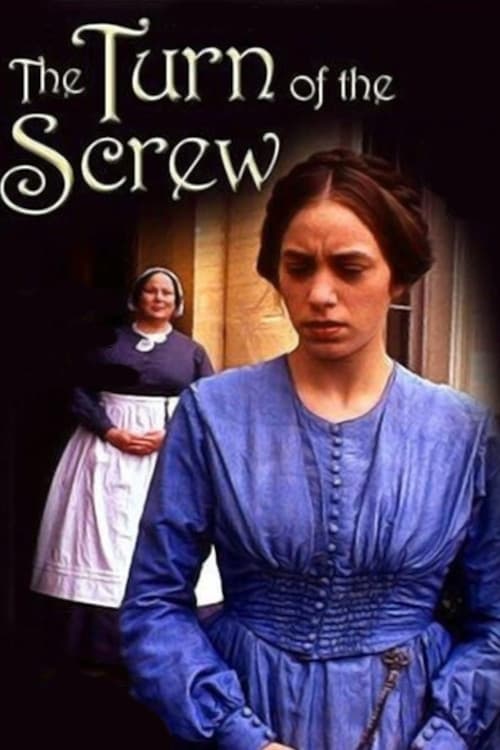
1999
2012
1985
1999
No reviews yet. Be the first to share your thoughts on this movie!
Use the rating form above to leave a star rating and optional review.