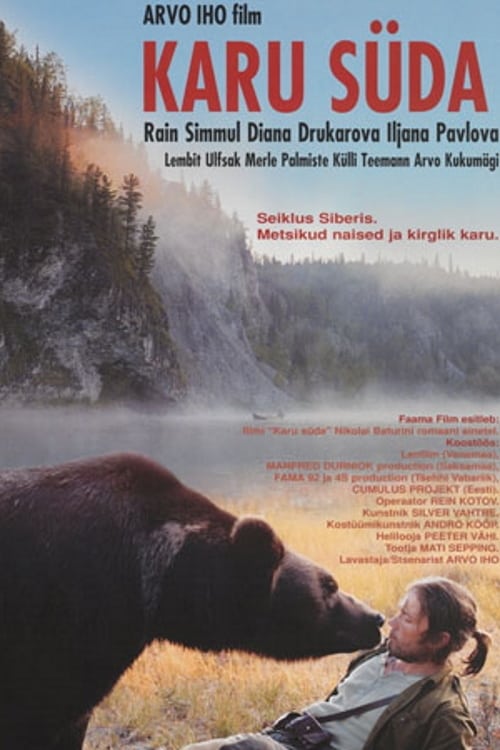
The Heart of the Bear
2001
No user ratings available yet
Diversity score: 6.2 out of 10
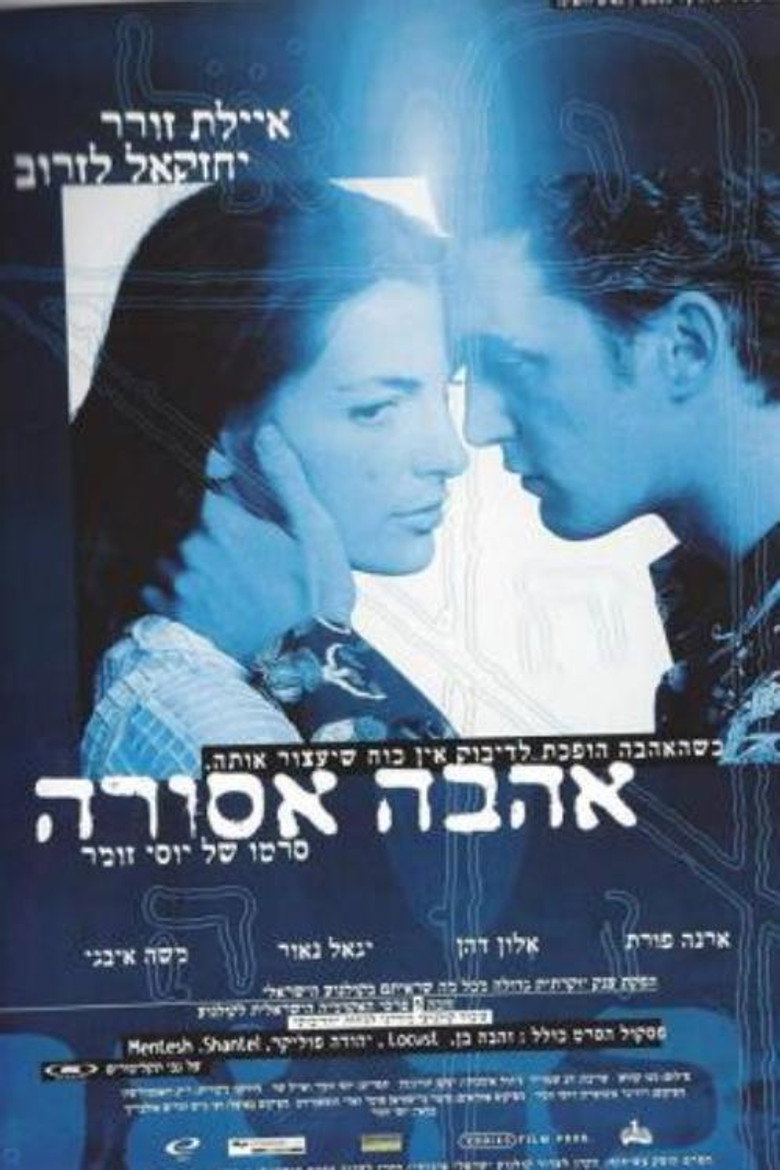
1997
Director
Yossi Zomer
Runtime
93 minutes
Average Rating
No ratings yetSynopsis
This mythic love story set in a timeless, lavishly colorful and mystical Jerusalem incorporates hard rock, striking set design, computer-generated imagery and modern-day tensions between the secular and the Orthodox worlds. Hanan, a handsome young traveler - who has pierced ears and wears grungy flannel shirts - falls in love with Lea, the beautiful daughter of a leader in the religious community. Unbeknownst to the couple, a deal was struck, years earlier, in which they were promised to each other by their fathers. When Hanan consults with a master of Kabbala, a set of mysteriously forbidden eleventh-century texts unleashes untold powers, merging the erotic with the divine and affirming love's infinite potential to transcend all obstacles. The lovers are played by Yehezkel Lazarov (Waltz with Bashir) and Ayelet Z'urer (Angels & Demons; Vantage Point). (from sfjff.org)
Overall Score
Good
Category Breakdown
LGBTQ+ Representation
The story centers on a heteronormative romance between Hanan and Lea. No explicit LGBTQ+ characters or non-cisnormative identities are present in the narrative.
Gender Representation
Lea serves as a central figure in a cosmic struggle, disrupting traditional hierarchies. The protagonists use mystical elements to reclaim agency against patriarchal arrangements.
Racial & Ethnic Diversity
The film explores the internal diversity of the Jewish experience in Jerusalem. It avoids monolithic portrayals by contrasting secular and Orthodox lifestyles.
Religious & Cultural Diversity
The narrative critiques institutional authority by framing individual autonomy against religious control. It treats the tension between secular and Orthodox worlds with nuance.
Disability Representation
There is no mention of characters navigating physical, neurodivergent, or mental health disabilities within the provided context.
Strengths
Areas for Improvement
AI Analysis
The film functions as a sophisticated critique of social and religious stratification. It prioritizes individual agency and subjective morality over the rigid dogma of established communal structures. While the film lacks modern identity politics or diverse sexual orientations, it excels at deconstructing traditional hierarchies. It uses a mythic lens to explore the friction between different modes of cultural identity. Ultimately, the work celebrates the power of individual truth to transcend oppressive social frameworks through a mystical and erotic lens.
2001

1981

2007

1999
2006

2004

2020

2012

1988
1992

2007
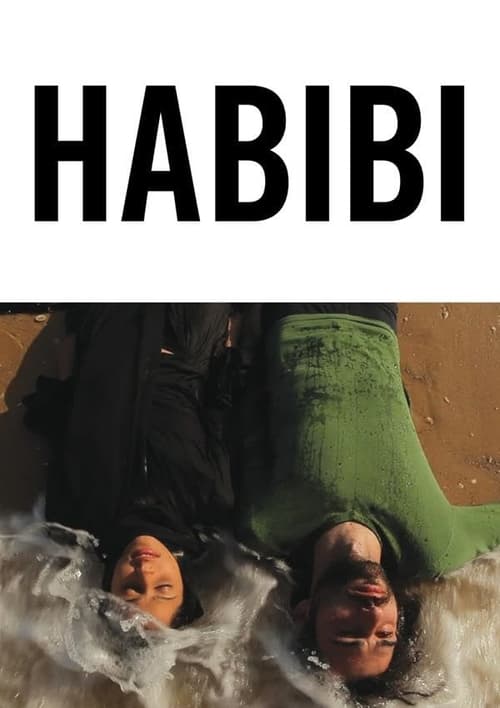
2011
No reviews yet. Be the first to share your thoughts on this movie!
Use the rating form above to leave a star rating and optional review.