InRealLife
2013
No user ratings available yet
Representation score: 8.1 out of 10
Representation Score
Good
2014
TV-PGDirector
Frank Koughan, Douglas Rushkoff
Runtime
54 minutes
Average Rating
No ratings yetNew Showbiz Analysis
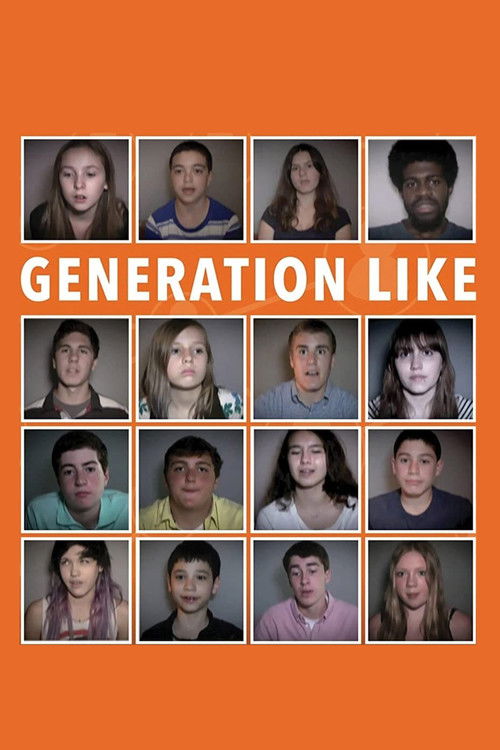
Generation Like serves primarily as a critique of digital power structures rather than a detailed exploration of individual identity. It effectively deconstructs how corporations exploit the quest for digital fame, presenting a sophisticated view of the self within the attention economy. While the film captures a snapshot of contemporary demographics through its diverse teenage cast, it lacks deep, identity-focused narratives. Representation of LGBTQ+ individuals and people with disabilities is minimal or absent, as the focus remains on sociological patterns. Overall, the documentary excels in its systemic analysis, critiquing traditional capitalist structures. However, it misses opportunities to explore how digital influence interacts with specific underrepresented identities.
Category Breakdown
The film focuses more on sociological patterns than on individual LGBTQ+ stories. It doesn't have clear narratives centered around LGBTQ+ characters or critiques of the assumption that everyone is straight or cisgender.
The documentary looks at how digital validation affects gendered social hierarchies. However, it doesn't explicitly focus on challenging traditional gender roles or hierarchies.
The film features a diverse cast of teenagers to represent today's demographics. It aims to reflect a modern, interconnected society through its casting choices.
The narrative strongly criticizes late-stage capitalism and the commodification of personal identity. It breaks down how digital platforms fragment and mediate our sense of self.
The film focuses on collective digital behavior rather than individual accessibility issues. Characters with visible or invisible disabilities are not prominently featured.
Present on Screen
Limited or Absent
Official Synopsis
Thanks to social media, teens are able to directly interact with their culture - celebrities, movies, brands - in ways never before possible. But is that real empowerment? Or do marketers hold the upper hand? Douglas Rushkoff explores how the teen quest for identity has migrated to the web – and exposes the game of cat-and-mouse that corporations are playing with them.
2013

2013
2021
2018
2014

2024
2018

2016
No reviews yet. Be the first to share your thoughts on this movie!
Use the rating form above to leave a star rating and optional review.