Mark Zuckerberg: Inside Facebook
2012
No user ratings available yet
Representation score: 3.7 out of 10
Representation Score
Good
2009
UnratedDirector
Ondi Timoner
Runtime
89 minutes
Average Rating
No ratings yetNew Showbiz Analysis
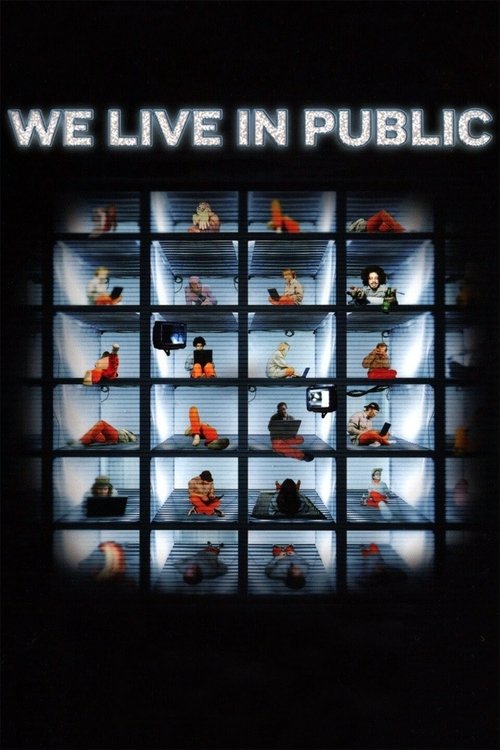
Ondi Timoner’s documentary provides a critical look at how digital structures shape human morality. While it doesn’t deeply represent specific identity groups, it stands as a strong cultural critique of consumerism and the loss of privacy. The film’s strength lies in its ability to dissect individuals within a capitalist framework. It captures the absurdity of the dot-com era’s pursuit of fame. However, it falls short in exploring the overlapping aspects of different identities and the specific lived experiences of underrepresented groups.
Category Breakdown
The film does not focus on LGBTQ+ stories or non-cisgender identities. Instead, it centers on digital voyeurism without addressing specific queer identities or criticisms of the assumption that everyone is straight.
The documentary looks at how gender is performed in reality TV. It highlights how participants play into gender stereotypes for public consumption.
The cast includes a mix of diverse backgrounds typical of the late-90s tech boom. However, the film does not make race a central theme or use specific metaphors for ethnic diversity.
The film excels in criticizing Western capitalist systems and the commodification of personal experience. It examines the erosion of privacy and the dissolution of traditional social boundaries.
The film does not significantly address neurodiversity, physical disabilities, or mental health issues. Subjects are analyzed based on socioeconomic factors rather than their disability status.
Present on Screen
Limited or Absent
Official Synopsis
In 1999, Internet entrepreneur Josh Harris recruits dozens of young men and women who agree to live in underground apartments for weeks at a time while their every movement is broadcast online. Soon, Harris and his girlfriend embark on their own subterranean adventure, with cameras streaming live footage of their meals, arguments, bedroom activities, and bathroom habits. This documentary explores the role of technology in our lives, as it charts the fragile nature of dot-com economy.
2012

2013

2001

2016
2019

2018

2001
2013
No reviews yet. Be the first to share your thoughts on this movie!
Use the rating form above to leave a star rating and optional review.