Gosto se Discute
2017
No user ratings available yet
Representation score: 6.0 out of 10
Representation Score
Fair
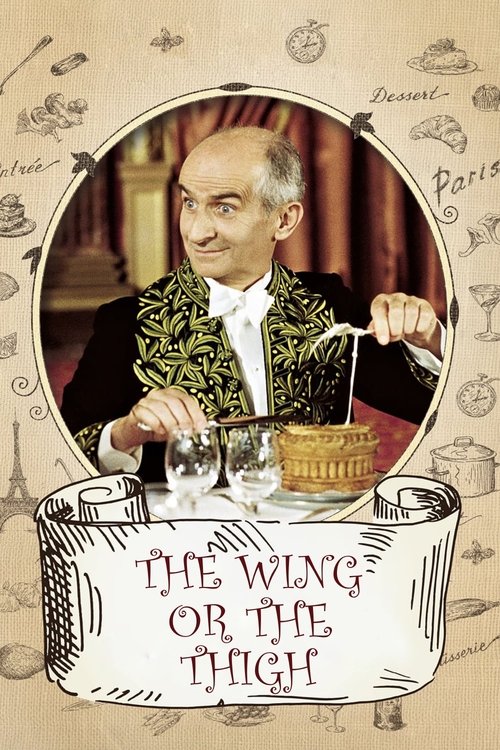
1976
Director
Claude Zidi
Runtime
104 minutes
Average Rating
No ratings yetNew Showbiz Analysis
The film is a period-specific satire that prioritizes socio-economic and generational tensions over identity-based representation. Its primary conflict involves the struggle between artisanal tradition and modern mass-market capitalism. While the work provides a meaningful critique of commercialism, it remains rooted in the defense of established Western institutions. The narrative architecture is largely centered on male-driven professional and familial legacies. Ultimately, the film lacks engagement with progressive frameworks of intersectionality, focusing instead on the preservation of a specific cultural heritage.
Category Breakdown
The film lacks LGBTQ+ characters or narratives. The story focuses on traditional familial and professional conflicts within a mainstream 1970s comedic framework.
The narrative centers on a patriarchal struggle between a father and his son. It does not explicitly depict the empowerment of female characters or the subversion of gender hierarchies.
The cast and narrative appear predominantly homogeneous. The film focuses on the preservation of French culinary culture without significant racial or ethnic diversity.
The film offers a critique of capitalism by pitting traditional cooking against fast food. It defends Western culinary heritage rather than deconstructing cultural identity.
The protagonist's loss of taste serves as a central plot device. This sensory impairment functions as a comedic catalyst rather than a nuanced exploration of disability.
Present on Screen
Limited or Absent
Official Synopsis
Charles Duchemin, a well-known gourmet and publisher of a famous restaurant guide, is waging a war against fast food entrepreneur Tri- catel to save the French art of cooking. After having agreed to appear on a talk show to show his skills in naming food and wine by taste, he is confronted with two disasters: his son wants to become a clown rather than a restaurant tester and he, the famous Charles Duchemin, has lost his taste!
2017
1966
1935
1977
2012

2017

1977
2009
No reviews yet. Be the first to share your thoughts on this movie!
Use the rating form above to leave a star rating and optional review.