
I Really Hate My Job
2007
No user ratings available yet
Representation score: 4.3 out of 10
Representation Score
Fair
2009
RDirector
Vlad Yudin
Runtime
85 minutes
Average Rating
No ratings yetNew Showbiz Analysis
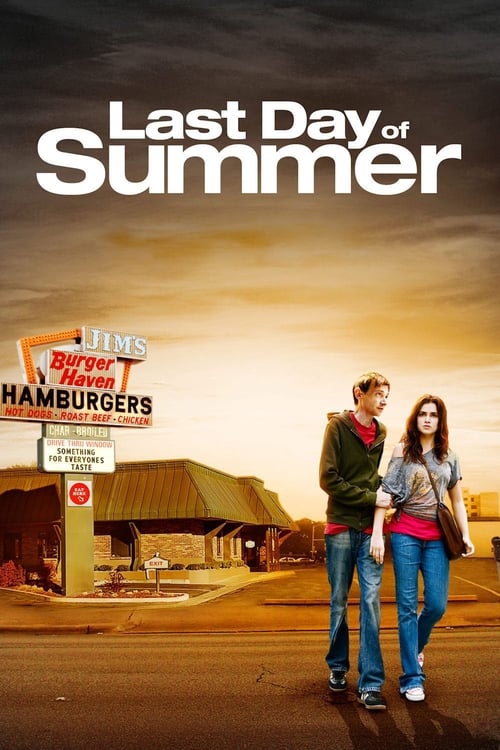
Last Day of Summer is a character-driven dark comedy that prioritizes the psychological distress of a single individual over social advocacy. Despite featuring a diverse cast, the narrative structure remains rooted in traditional formulas and conventional romantic relationships. The film touches on the frustrations of working-class life and mental health issues, but these elements serve the unpredictable nature of the plot rather than offering meaningful representation. The protagonist's instability and the female lead's lack of ability to act suggest a focus on dark humor over systemic critique.
Category Breakdown
The story focuses on a relationship between Joe and Stefanie that assumes both are straight and cisgender. There is no representation of queer subtext or non-cisgender identities.
The film relies on a male protagonist's obsession with a female character. Stefanie's role is mostly as a narrative object rather than an agent with her own storyline.
The cast includes actors of different races, such as Chris Bashinelli. However, the plot remains centered around a single protagonist without exploring deeper multi-layered character development.
The film critiques the struggles of fast-food workers and capitalist injustices through a personal lens. It highlights systemic frustrations without framing them as a structured political critique.
The protagonist's mental instability drives the dark comedy plot. This approach risks using neurodivergence as a mere plot device rather than a nuanced depiction.
Present on Screen
Limited or Absent
Official Synopsis
This unpredictable story follows an agitated fast-food employee, Joe, who's reached his breaking point from being harassed and tormented by his boss...
2007

2008
2020

2002

2006

2018
2001

1993
No reviews yet. Be the first to share your thoughts on this movie!
Use the rating form above to leave a star rating and optional review.