Production Stills
1970
No user ratings available yet
Representation score: 1.8 out of 10
Representation Score
Minimal
1971
Director
Hollis Frampton
Runtime
36 minutes
Average Rating
No ratings yetNew Showbiz Analysis
Hollis Frampton’s work is a formalist exercise in structural cinema rather than a narrative exploration of identity. It prioritizes the physical degradation of photographs over social or demographic storytelling. Because the film operates through a first-person narration of images, it bypasses traditional character-driven frameworks used to measure diversity. The absence of representation is a result of its avant-garde focus on the relationship between the image and the narrator. Ultimately, the film is a meditation on memory and decay, and it does not engage with identity politics, making it challenging to apply standard metrics of social representation to its experimental structure.
Category Breakdown
The film focuses on the experimental nature of narration and photography. It does not include any LGBTQ+ characters or romantic storylines.
The work centers on a first-person meditation by the narrator. It does not include traditional gendered character arcs or subversion of gender hierarchies.
The emphasis is on the ephemeral nature of photography and the destruction of images. There is no information about the racial makeup of the subjects.
The non-linear structure rejects standard cinematic realism in favor of a subjective experience. This approach introduces a moderate level of cultural disruption.
The film does not feature characters or actors portraying physical or neurodivergent disabilities.
Present on Screen
Limited or Absent
Official Synopsis
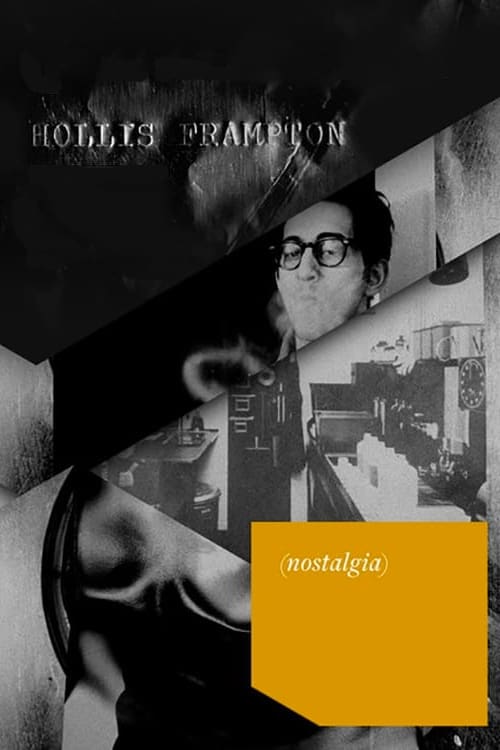
Michael Snow narrates a series of Hollis Frampton's photographs (speaking as Frampton, in the first person)—as each picture catches fire on a hot plate.
1970
1972
1967
1974
1973
1971
2018
1985
No reviews yet. Be the first to share your thoughts on this movie!
Use the rating form above to leave a star rating and optional review.