
Painful Bliss: Final Twist
1977
No user ratings available yet
Representation score: 5.9 out of 10
Representation Score
Good
1972
Director
Tatsumi Kumashiro
Runtime
69 minutes
Average Rating
No ratings yetNew Showbiz Analysis
Tatsumi Kumashiro’s work dismantles social hierarchies by emphasizing character's ability to drive the story over traditional morality. The film excels in subverting gender norms by centering on a woman's journey from a public figure to a business owner. While the film lacks explicit LGBTQ+ or multi-ethnic representation, it effectively critiques traditional social structures. It uses the underrepresented subcultures of Osaka to challenge the restrictive legalistic definitions of social propriety prevalent in the era. Ultimately, the film serves as a study of individual liberation, trading mainstream social standing for a nuanced exploration of female autonomy and social alienation.
Category Breakdown
The film does not explicitly include queer identities or non-cisgender relationships. However, it explores transgressive sexuality, suggesting a departure from typical straight-centered social norms.
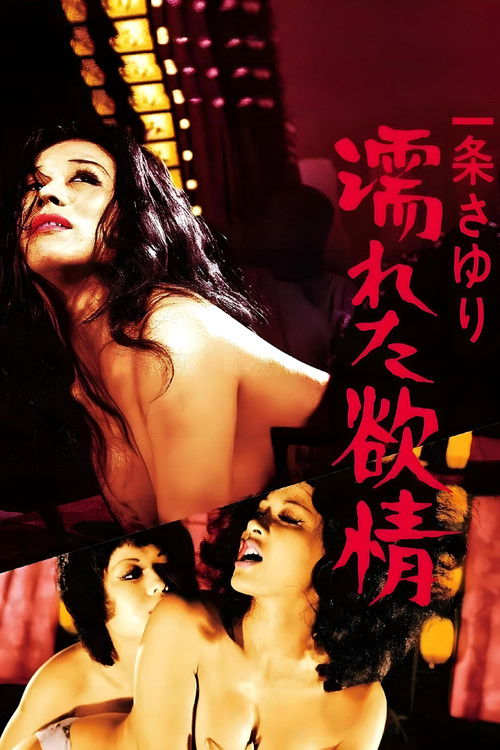
Ichijo Sayuri is portrayed as having a significant role in driving the story, highlighting her transition from a public figure to a business owner, which emphasizes female autonomy.
Set in urban Japan, the film focuses on the underrepresented subcultures of Osaka. While it lacks diverse racial blending, it avoids a Western-centric perspective.
The film challenges state-imposed morality by focusing on a character arrested for indecency. It critiques rigid social structures through a gritty, urban lens.
There is no evidence of the portrayal of physical or neurodivergent disabilities in this work.
Present on Screen
Limited or Absent
Official Synopsis
Ichijo Sayuri, once the legendary queen of Osaka strippers, has retired to run a sushi shop. She is awaiting her day in court after having been arrested for indecency at her farewell performance. While she was active, she was both the rival and the model for many young strippers. Harumi was one of them. Ichijo Sayuri was the real-life queen of Osaka strippers who was arrested on her final performance.
1977

1956
1971
1969
1984
1990
1971

1970
No reviews yet. Be the first to share your thoughts on this movie!
Use the rating form above to leave a star rating and optional review.