A Summer Tale
1976
No user ratings available yet
Representation score: 6.0 out of 10
Representation Score
Minimal
2002
Director
Géza Bereményi
Runtime
140 minutes
Average Rating
No ratings yetNew Showbiz Analysis
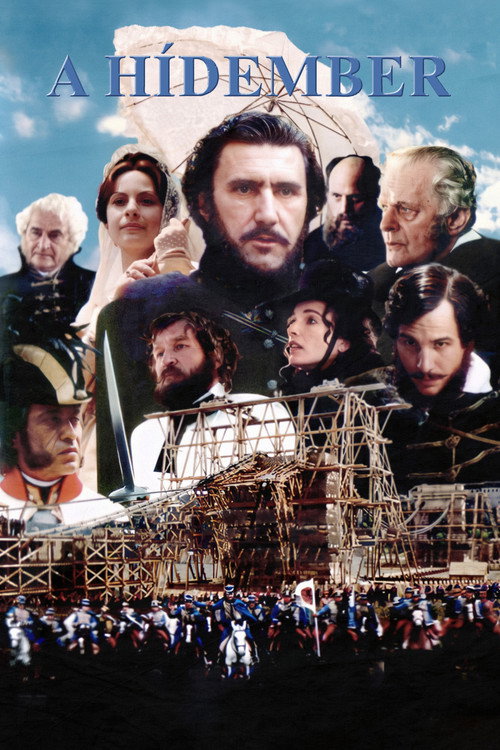
The Bridgeman is a traditional historical epic that emphasizes classical themes of honor, scandal, and personal growth within a rigid social hierarchy. The narrative structure reinforces conventional expectations of class and social responsibility rather than challenging them. The film examines the continuity of historical traditions and the preservation of aristocratic ideals. It engages minimally with progressive social frameworks, focusing instead on stabilizing social roles. Ultimately, the work portrays the importance of institutional reputation and the transition from impulsive behavior to structured duty among the 19th-century elite.
Category Breakdown
The story revolves around a scandal involving a romantic affair between a brother and his sister-in-law. It does not include any characters with non-traditional gender identities or critiques of traditional gender roles.
The film upholds traditional gender roles from the 19th century. Women serve primarily as catalysts for men's downfall rather than as drivers of their own destinies, while the main character follows a typical male redemption storyline.
Set within the Habsburg Monarchy, the story centers on a specific European ethnic and class identity. The film lacks a diverse cast, focusing instead on a homogeneous aristocratic structure.
The film promotes traditional Western values such as nobility, duty, and social standing. The protagonist's journey highlights the restoration of social order and the pursuit of institutional legacy.
The protagonist is portrayed as having exceptional mental and spiritual abilities, which are framed as aristocratic gifts. There is no specific representation of neurodivergence or disability.
Present on Screen
Limited or Absent
Official Synopsis
This epic story takes place between 1820 and 1860 during the Habsburg Monarchy, and portrays the life one of the greatest Hungarian aristocrats - Count Széchenyi - who was born with extra-ordinary mental and spiritual talents. In the years following the fall of Napoleon the young count Széchenyi irresponsibly seduces his brother's wife, and the consequent scandal ruins his career as an army officer. After the sudden death of his humiliated lover Count Széchenyi drastically changes his character from that of a shallow young man into a responsible nobleman seeking to conquer his fate by creating great achievements in his remaining life.
1976
1972
1976
2005
1985
1999
2004
1973
No reviews yet. Be the first to share your thoughts on this movie!
Use the rating form above to leave a star rating and optional review.