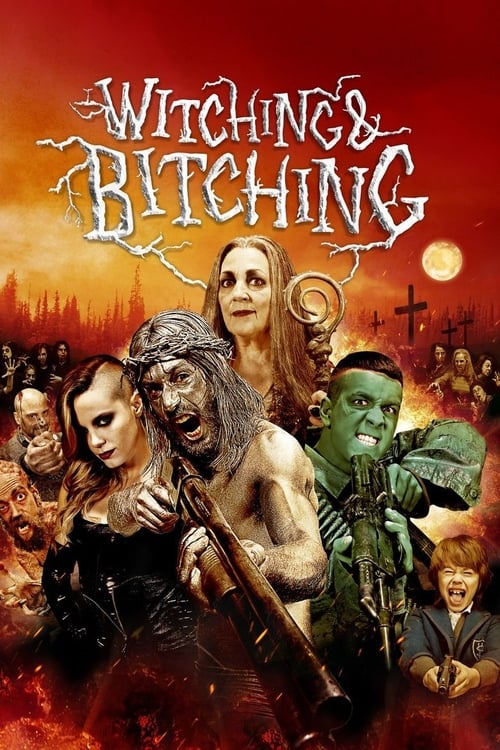
Witching & Bitching
2013
No user ratings available yet
Representation score: 6.8 out of 10
Representation Score
Good
1995
RDirector
Álex de la Iglesia
Runtime
104 minutes
Average Rating
No ratings yetNew Showbiz Analysis
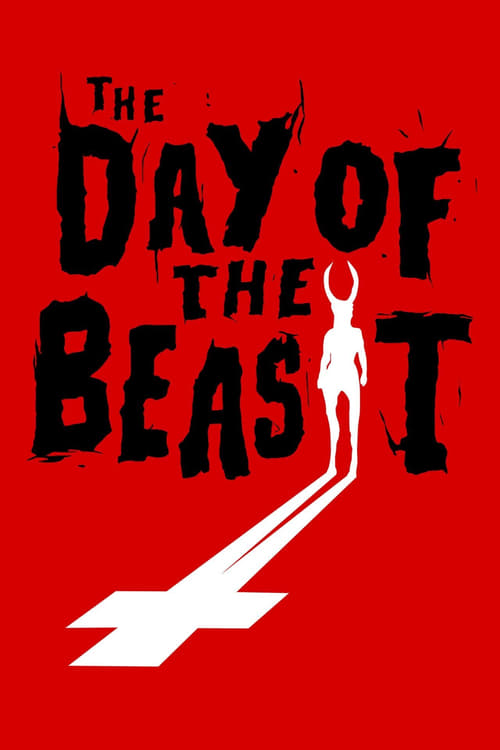
The Day of the Beast is a culturally disruptive film that prioritizes mocking institutions over representing diverse identities. It excels in aggressively satirizing religious dogma and established power structures, using extreme humor to challenge traditional societal norms. However, the film lacks broad representation of various identities. Its narrative focuses on a male-driven plot with limited space for diverse racial, ethnic, or LGBTQ+ perspectives. Ultimately, the film serves as a sharp, anti-institutional satire while failing to offer substantial representation for gender, race, or disability.
Category Breakdown
The film does not focus on LGBTQ+ identities or non-traditional gender expressions. Instead, it centers on religious satire and subculture without emphasizing queer themes.
The story revolves around a male-centric friendship between a priest and a metalhead. Women appear but do not play a key role in challenging traditional gender roles.
Set in Madrid, the film depicts a relatively uniform society. It emphasizes class and subcultural conflict over racial or ethnic diversity.
The film effectively mocks Western institutions through religious satire, portraying the Catholic Church as absurd and grotesque rather than morally stable.
There is no significant depiction of visible or invisible disabilities. Characters are defined by their subcultural affiliations rather than by any disabilities.
Present on Screen
Limited or Absent
Official Synopsis
When a rogue priest discovers the exact date the Antichrist will be born, he enlists a Death Metal record store clerk and a cheesy TV psychic for an urban spree of gore, sacrilege and twisted humor to prevent the Apocalypse.
2013

2010
2012
2016

2006
2001
2017
2012
No reviews yet. Be the first to share your thoughts on this movie!
Use the rating form above to leave a star rating and optional review.