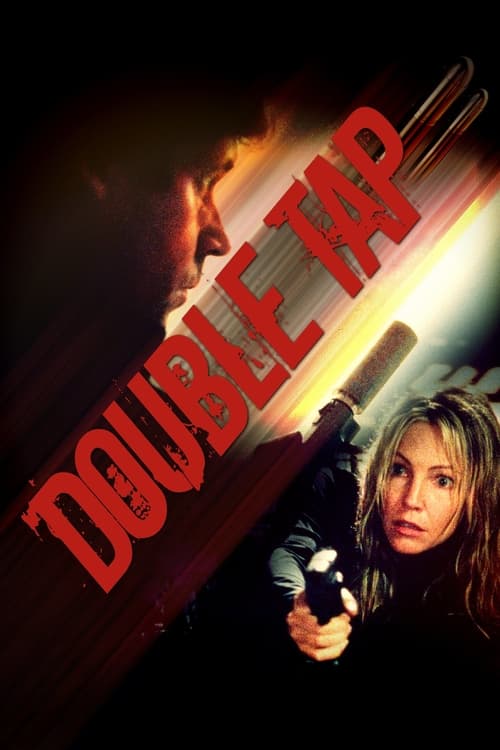
Double Tap
1997
No user ratings available yet
Representation score: 2.7 out of 10
Representation Score
Fair
1996
RDirector
Keoni Waxman
Runtime
90 minutes
Average Rating
No ratings yetNew Showbiz Analysis
Countdown is a typical action-thriller that benefits from its international setting and strong female characters. By positioning women in key law enforcement roles, the film breaks away from traditional genre clichés. The inclusion of East Asian characters adds a multicultural layer to the narrative. However, the film leans heavily on a male-dominated, violent storyline to propel the plot forward. It also lacks LGBTQ+ representation and any depiction of physical or cognitive disabilities.
Category Breakdown
The film does not include any LGBTQ+ characters or identities that don't align with being straight or cisgender.
The film features strong female characters like Sara Daniels and Yoko Sugimura, who have important roles in the investigation. However, the main conflict revolves around a violent, male-driven storyline.
The movie includes East Asian characters such as Kaori Ozaki and Yoko Sugimura, who play significant roles in the plot. The story involves international cooperation between law enforcement agencies in Seattle and Tokyo.
The film touches on historical conflicts and geopolitical issues, but it mainly focuses on individual psychological motives rather than broader cultural themes.
There is no depiction of physical or cognitive disabilities in the film.
Present on Screen
Limited or Absent
Official Synopsis
When Chris Murdoch falls obsessively in love with a Japanese girl attending University in Seattle (Kaori Ozaki) he murders Japanese men who have shown her kindness under the pretext of revenge for the attack on Pearl Harbor during WWII. However the ruse involves the FBI in the case, and Agent Sara Daniels. However, the investigation is hampered when Yoko Sugimura of the Tokyo Police arrives to take Kaori back to her influential father. Despite their initial dislike, Sara and Yoko are forced to work together to stop Chris when his obsession is manifest with high explosives.
1997

2010
1989
1972
1997
1994
1993
1993
No reviews yet. Be the first to share your thoughts on this movie!
Use the rating form above to leave a star rating and optional review.