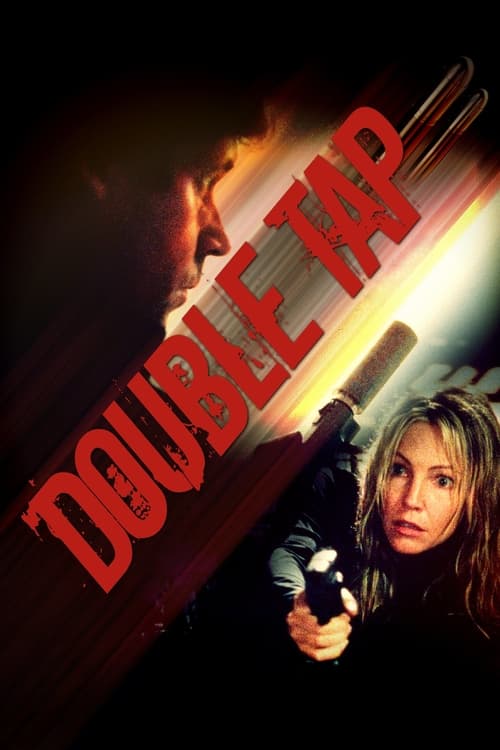
Double Tap
1997
No user ratings available yet
Diversity score: 3.4 out of 10

1988
RDirector
E.G. Bakker, Charles Kaufman
Runtime
94 minutes
Average Rating
No ratings yetSynopsis
A CIA agent roams the streets of New York haunted by the death of the beautiful woman he fell in love with while on assignment in Jakarta. When he is kidnapped and drugged, the destination is Jakarta once again where he tries to unravel the mystery that is the city which broke him three years earlier.
Overall Score
Limited
Category Breakdown
LGBTQ+ Representation
The film focuses on a heterosexual romantic tragedy between a CIA agent and an Indonesian woman. There is no evidence of queer narratives or non-cisnormative identities.
Gender Representation
The story centers on a male protagonist whose emotional arc is driven by loss. The female character serves as a catalyst, suggesting a potential reliance on the 'lost muse' trope.
Racial & Ethnic Diversity
Jakarta serves as a primary location and plot driver, facilitating a cross-cultural connection. However, it remains unclear if the film challenges Western-centric perspectives or uses the setting as a backdrop.
Religious & Cultural Diversity
The narrative utilizes a 'stranger in a strange land' framework. The focus on a CIA agent suggests a story rooted in Western geopolitical perspectives rather than local cultural critique.
Disability Representation
The synopsis provides no information regarding physical or neurodivergent disabilities. The protagonist's haunted state may be a cinematic trope of trauma rather than a clinical depiction.
Strengths
Areas for Improvement
AI Analysis
Jakarta operates within the conventional action-thriller frameworks of the late 1980s. While it moves beyond a purely Western setting by utilizing Indonesia as a central location, the narrative lens remains firmly fixed on a Western protagonist's journey. The film relies on traditional romantic and geopolitical tropes. The central emotional driver is a male agent's connection to a woman, which often limits the agency of non-Western characters to serving the protagonist's development. Ultimately, the production reflects the era's tendency toward Western-centric storytelling. It incorporates international locales but lacks the structural complexity to disrupt traditional cinematic hierarchies or provide deep intersectional representation.
1997

1993
2007
1969
1997
2014
2000
1992

1995

1974

1977

1977
No reviews yet. Be the first to share your thoughts on this movie!
Use the rating form above to leave a star rating and optional review.