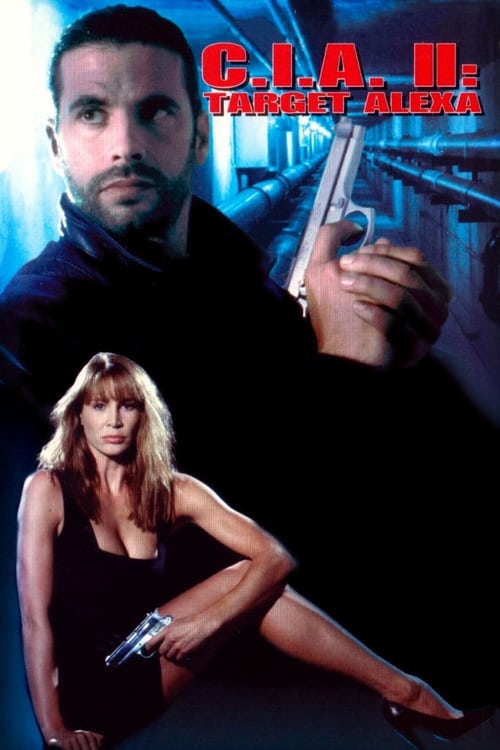
CIA II: Target Alexa
1993
No user ratings available yet
Diversity score: 2.4 out of 10
1989
Director
Alexandre Arcady
Runtime
122 minutes
Average Rating
No ratings yetSynopsis
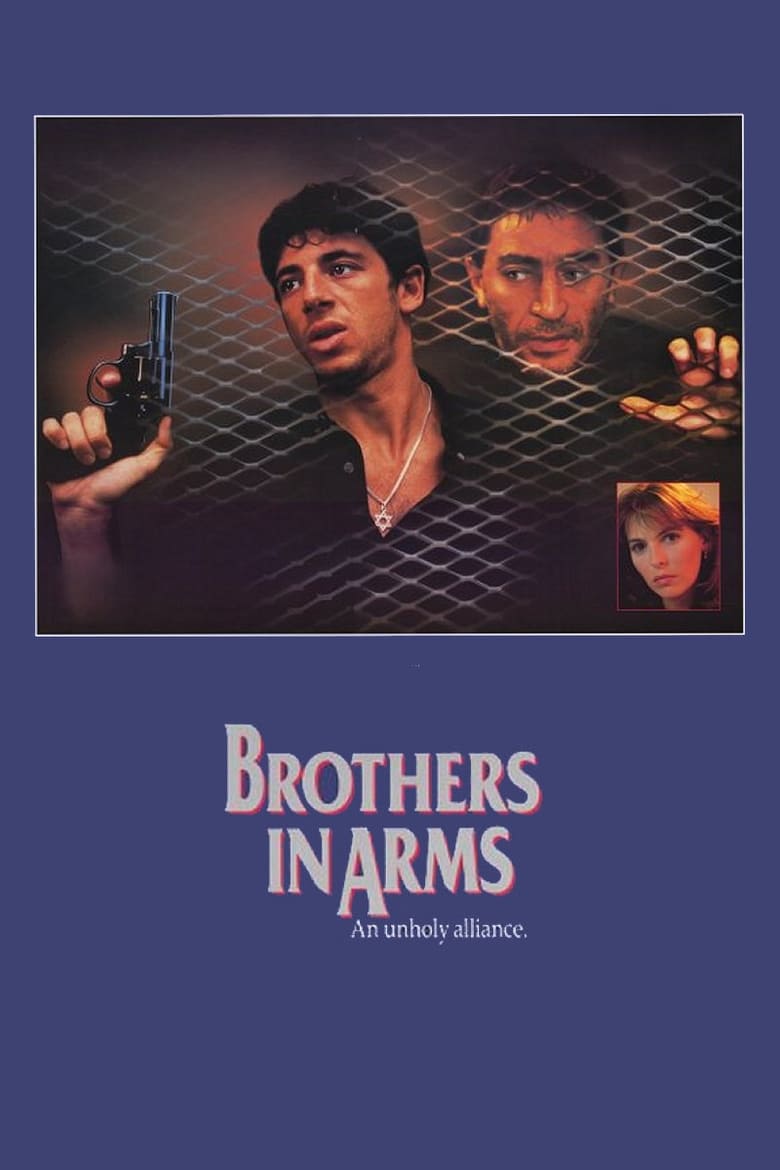
Simon, a Jewish police inspector, arrests Karim, a Muslim, in the bust of a drug smuggling cargo ship, only to realize that Karim is an undercover agent from the military intelligence, whose mission he was not aware of. The two men pursue the narc investigation, which will lead them to confront middle eastern terrorists together.
Overall Score
Limited
Category Breakdown
LGBTQ+ Representation
The film adheres to a traditional heteronormative framework. There are no narratives that challenge established sexual hierarchies or present non-cisnormative identities.
Gender Representation
The narrative is heavily male-centric, focusing on male experiences of combat and clandestine operations. Women often serve as secondary romantic interests or domestic figures without independent agency.
Racial & Ethnic Diversity
The cast is predominantly white, reflecting the demographic reality of the French Resistance. It lacks intentional efforts to integrate diverse ethnic perspectives into primary character arcs.
Religious & Cultural Diversity
The film explores resistance against occupation and critiques collaborationist state elements. It leans toward traditional notions of patriotism and duty rather than moral relativism.
Disability Representation
There is no discernible presence of characters with visible or invisible disabilities. Disability is not utilized as a thematic or character-driven plot device.
Strengths
Areas for Improvement
AI Analysis
Brothers in Arms operates as a conventional historical drama centered on wartime ethics and the bonds of brotherhood. It prioritizes a cohesive narrative of national liberation through a singular, masculine lens. The film relies on traditional cinematic tropes of the war genre. While it explores the complexities of moral agency during occupation, it does not seek to disrupt social hierarchies or provide a platform for intersectional identities. Ultimately, the work remains tethered to traditionalist storytelling models. It focuses on a homogeneous perspective that reinforces established gendered and cultural divisions of power.
1993
1997

1997
1992
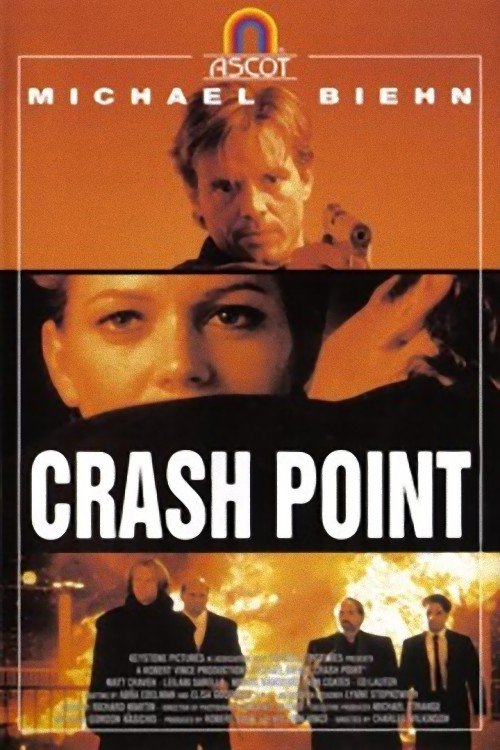
1995
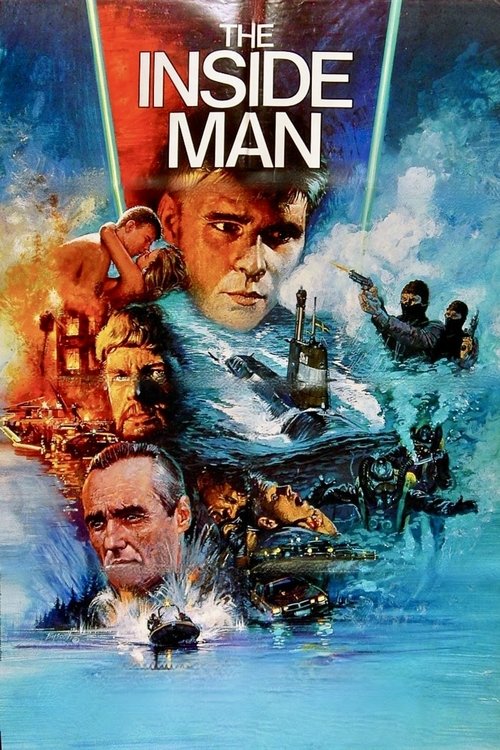
1984

1995

2012
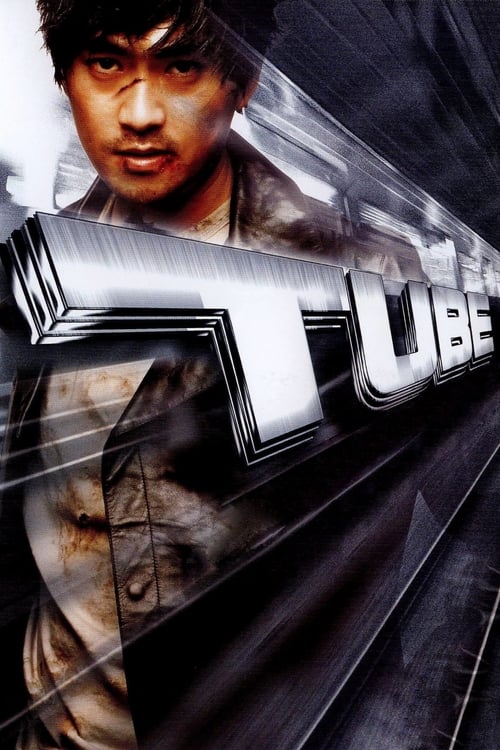
2003
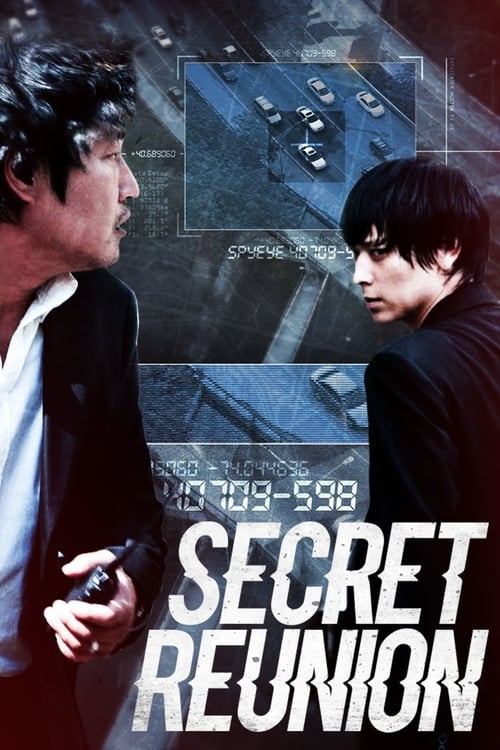
2010
No reviews yet. Be the first to share your thoughts on this movie!
Use the rating form above to leave a star rating and optional review.