Lily et Lily
1987
No user ratings available yet
Representation score: 0.5 out of 10
Representation Score
Minimal
1974
TV-GDirector
Jon Jory, Robert Schwartz
Average Rating
No ratings yetNew Showbiz Analysis
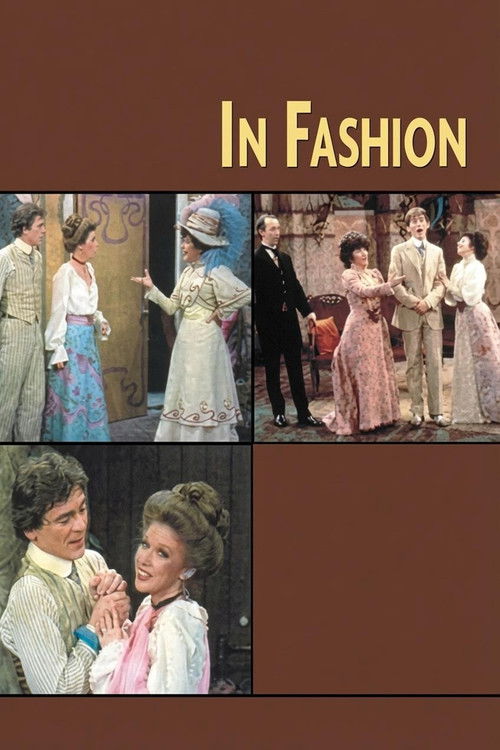
In Fashion is a traditionalist preservation of theatrical history rather than a work designed to deconstruct social norms. It functions as a televised capture of a classic Broadway-style farce, prioritizing the comedic structures of the Belle Époque. The production adheres strictly to the genre's historical and period-specific frameworks. Because it aims to replicate the atmosphere of turn-of-the-century Paris, it maintains the demographic and social hierarchies inherent to that era. Ultimately, the film lacks intentional efforts toward progressive representation or perspectives that reflect multiple aspects of identity. It operates within conventional comedic clichés that favor established social orders over modern diversity standards.
Category Breakdown
The story follows traditional late-19th-century French farce conventions, focusing on heterosexual relationships and doesn't include LGBTQ+ themes or non-binary identities.
Women play key roles in the story, but they often serve as catalysts for chaos or objects of deception. The plot relies on traditional comedic archetypes rather than challenging gender hierarchies.
Set in turn-of-the-century Paris, the production reflects a homogeneous demographic. There is no evidence of a diverse cast or casting that challenges Eurocentric norms.
The story emphasizes Western social etiquette and class-based decorum. It focuses on situational comedy rather than critiquing institutions like religion or the family unit.
The production contains no visible representation of physical or neurodivergent disabilities. The focus remains entirely on the mechanics of mistaken identity and social maneuvering.
Present on Screen
Limited or Absent
Official Synopsis
This charming musical comedy, set in turn-of-the-century Paris and based on George Feydeau's classic romp, "Tailleur Pour Dames," turns on a case of mistaken identity, chance meetings and deceptions big and small. Starring Charlotte Rae and Max Wright, this performance was taped in front of a live audience in New York, and was originally broadcast in 1974 as part of the Broadway Theater Archive's efforts to bring stage productions to television.
1987
1960
2017
1957
1958

1953
2001
1973
No reviews yet. Be the first to share your thoughts on this movie!
Use the rating form above to leave a star rating and optional review.