Find another title
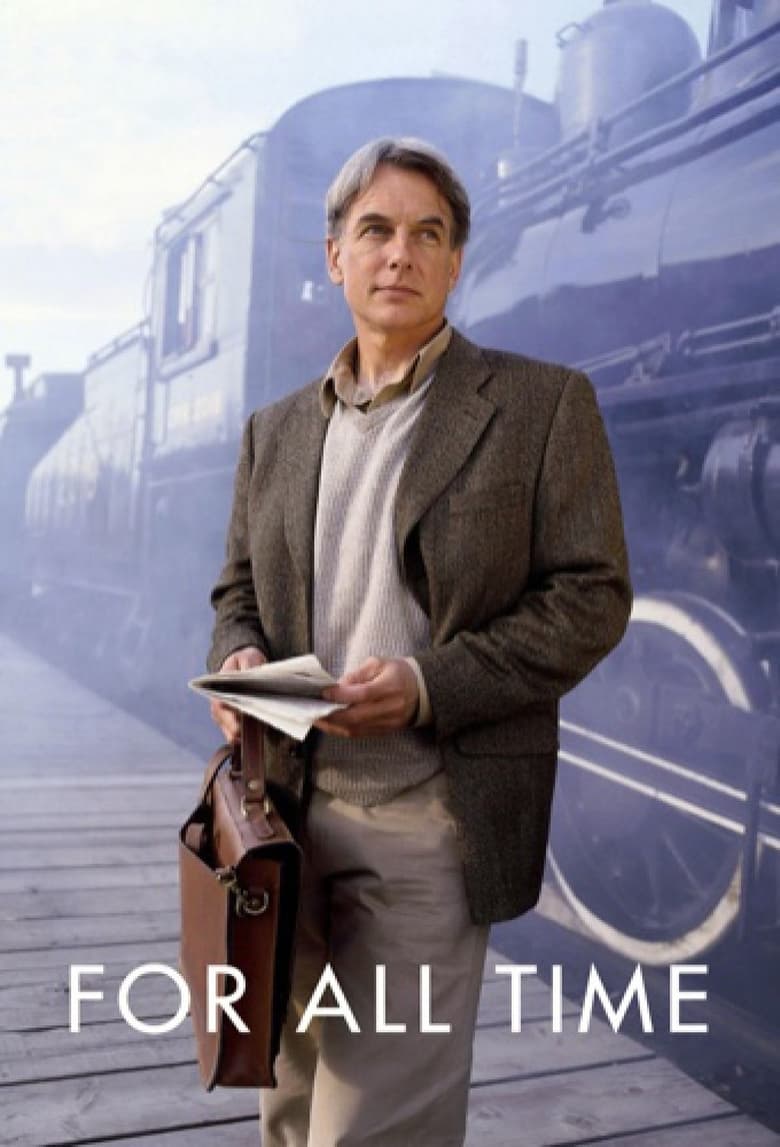
For All Time
2000
Director
Steven Schachter
Runtime
84 minutes
Average Rating
No ratings yetSynopsis
A man facing middle-age and a failing marriage finds a time slip that can take him back to the end of the nineteenth century.
Where to Watch
Diversity & Representation
Overall Score
Fair
Category Breakdown
LGBTQ+ Representation
The film lacks explicit LGBTQ+ characters or non-cisnormative identities. The plot focuses on professional and scientific companionship rather than queer romantic themes.
Gender Representation
The narrative disrupts 19th-century hierarchies by centering female astronomers Maria Mitchell and Caroline Herschel. It prioritizes female intellect and professional autonomy over passive roles.
Racial & Ethnic Diversity
The production reflects the homogeneous demographic of the Victorian-era scientific community. There is no evidence of significant racial blending or color-blind casting.
Religious & Cultural Diversity
The story highlights systemic barriers within academic circles and the struggle for recognition. It explores scientific discovery as a departure from traditional domesticity.
Disability Representation
There are no prominent depictions of visible or invisible disabilities. No character arcs appear to be driven by disability.
Strengths
- Elevates female intellect and scientific agency through central historical figures.
- Subverts 19th-century gender hierarchies by prioritizing professional autonomy.
- Explores systemic academic barriers and the pursuit of knowledge.
Areas for Improvement
- Lacks LGBTQ+ representation or non-cisnormative identities.
- Maintains a homogeneous demographic with limited racial diversity.
- Does not feature characters with visible or invisible disabilities.
AI Analysis
For All Time succeeds in subverting gendered expectations by centering the narrative on female scientific agency. By focusing on historical figures like Maria Mitchell, the film elevates women's intellectual contributions in a male-dominated field. However, the film remains tethered to the demographic constraints of its historical setting. The lack of racial diversity and queer representation reflects the era's academic structures, resulting in a narrow social scope. Ultimately, the film is a specialized character study. It trades broad intersectional representation for a focused look at gendered professional struggles within the scientific community.
Rate this Movie
Reviews
No reviews yet. Be the first to share your thoughts on this movie!
Use the rating form above to leave a star rating and optional review.