The Blue Yonder
1985
No user ratings available yet
Representation score: 0.8 out of 10
Representation Score
Minimal
2003
PGDirector
Rich Christiano
Runtime
95 minutes
Average Rating
No ratings yetNew Showbiz Analysis
Time Changer serves as a didactic tool designed to reinforce established social and religious hierarchies. The narrative prioritizes spiritual absolutism and the preservation of traditional Western values over complex representations of diversity. The film avoids exploring diverse identities or deconstructing systemic power dynamics. Instead, it focuses on a singular moral viewpoint that emphasizes adherence to authority and parental guidance. By centering on a homogeneous demographic and traditionalist frameworks, the production maintains a narrow cultural scope that lacks engagement with modern social diversity.
Category Breakdown
The film does not include any LGBTQ+ characters or those with non-traditional gender identities. It stays within a framework that avoids engaging with queer narratives.
The story relies on conventional gender roles and male authority. It focuses on male protagonists and reinforces traditional masculinity without challenging these norms.
The production centers on a homogeneous demographic. There is no indication of significant racial diversity or the use of diverse casts to represent a multicultural society.
The story is explicitly centered on Christian theology and traditional Western religious morality. It endorses traditional Western institutions like the family and religious authority.
There is no evidence of characters with physical, neurodivergent, or mental health disabilities. Disability is not used as a central theme or character development tool.
Present on Screen
Limited or Absent
Official Synopsis
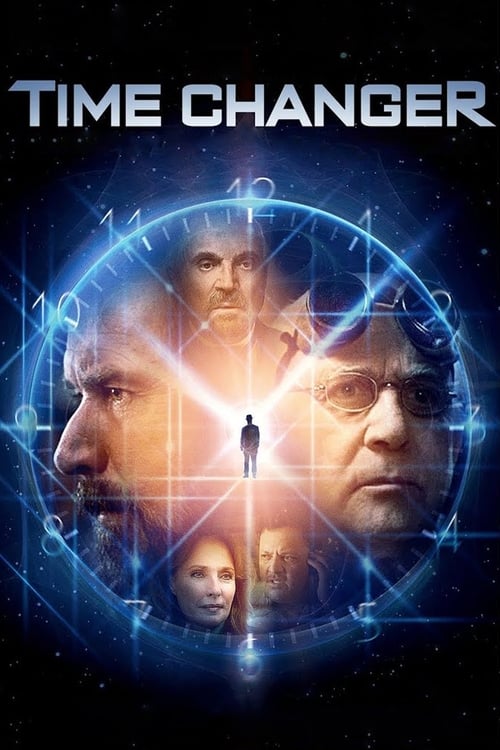
The year is 1890 and Bible professor Russell Carlisle has written a new manuscript entitled "The Changing Times". His colleague, Dr. Norris Anderson, believes that what Carlisle has written could greatly affect the future of coming generations and, using his secret time machine, Anderson sends Carlisle over 100 years into the future, offering him a glimpse of where his beliefs will lead.
1985

2015

1999
1980
1994
1992

1997
2007
No reviews yet. Be the first to share your thoughts on this movie!
Use the rating form above to leave a star rating and optional review.