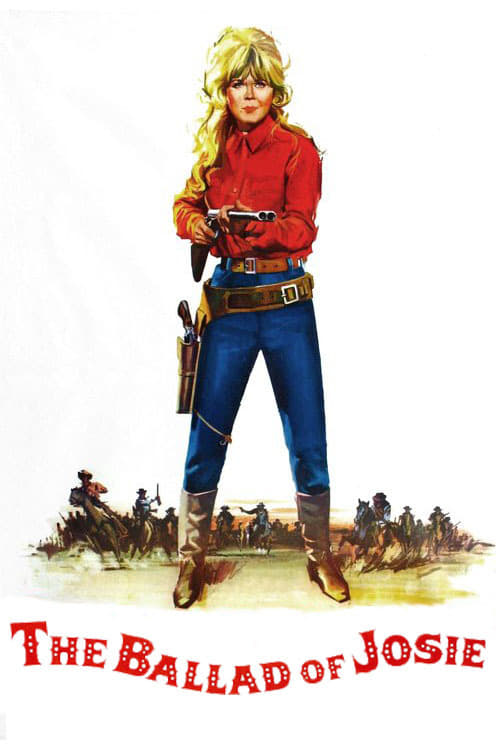
The Ballad of Josie
1968
No user ratings available yet
Diversity score: 2.6 out of 10

1976
PGDirector
Don Taylor
Runtime
102 minutes
Average Rating
No ratings yetSynopsis
Sam Longwood, a frontiersman who has seen better days, spies the gold-mine partner, Jack Colby, who ran off with all the gold from a mine they were prospecting fifteen years earlier. He tells his other partners from that time, Joe Knox and Billy, and they confront Colby demanding not only the thousand dollars he took but an addition fifty-nine thousand for their trouble. After being thwarted in this attempt, they, and a would-be named Thursday, hatch a plan to kidnap Colby's wife, Nancy Sue, who is coincidently Sam's old flame, but find that Nancy Sue is not the sweet girl that Sam remembers.
Overall Score
Limited
Category Breakdown
LGBTQ+ Representation
The film lacks LGBTQ+ characters or non-heteronormative identities. The narrative focuses on a romantic history between male protagonists and a female character, adhering to traditional heteronormative structures.
Gender Representation
Gender dynamics are traditional, with male frontiersmen driving the plot. While Nancy Sue is a complex figure, she primarily serves as a catalyst for male actions through a kidnapping plot.
Racial & Ethnic Diversity
The story centers on Anglo-Saxon archetypes typical of the Western genre. The primary cast consists of characters with names suggesting a homogeneous white demographic.
Religious & Cultural Diversity
The film reinforces traditional Western values of frontier justice and individual wealth. The plot focuses on debt and retribution rather than critiquing Western institutions or cultural norms.
Disability Representation
There is no mention or depiction of visible or invisible disabilities within the character descriptions or plot.
Strengths
Areas for Improvement
AI Analysis
The film operates within the conventional cinematic frameworks of the mid-1970s, prioritizing traditional genre tropes over intersectional depth. The narrative architecture relies heavily on established Western archetypes, focusing on male-driven conflict and pursuit of wealth. Representation is limited by the era's tendency toward homogeneity. The story lacks diverse casting or the subversion of social hierarchies, instead centering on a group of white male protagonists and their interpersonal disputes.
1968
1993
1968
1941
1940
1971
1956

1966

1976
1976
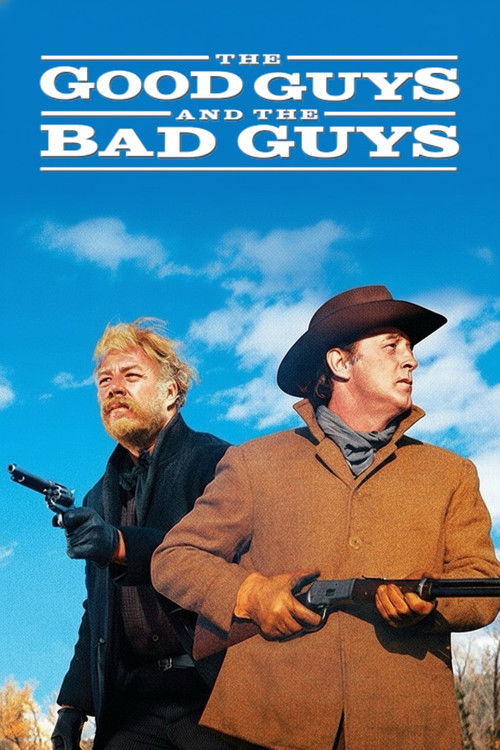
1969
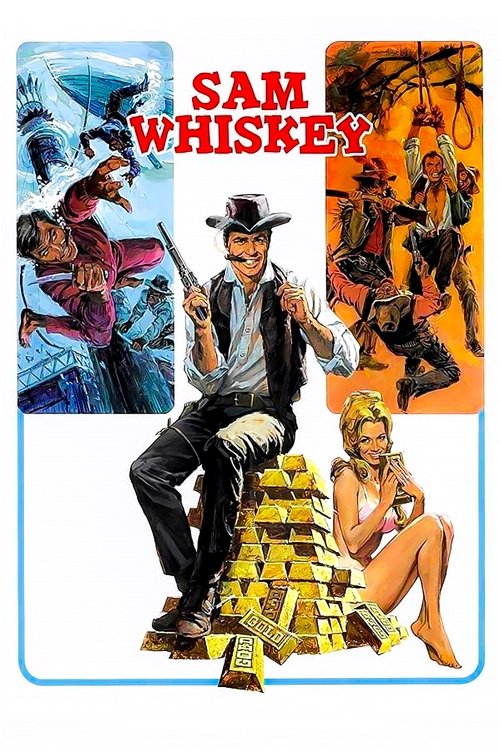
1969
No reviews yet. Be the first to share your thoughts on this movie!
Use the rating form above to leave a star rating and optional review.