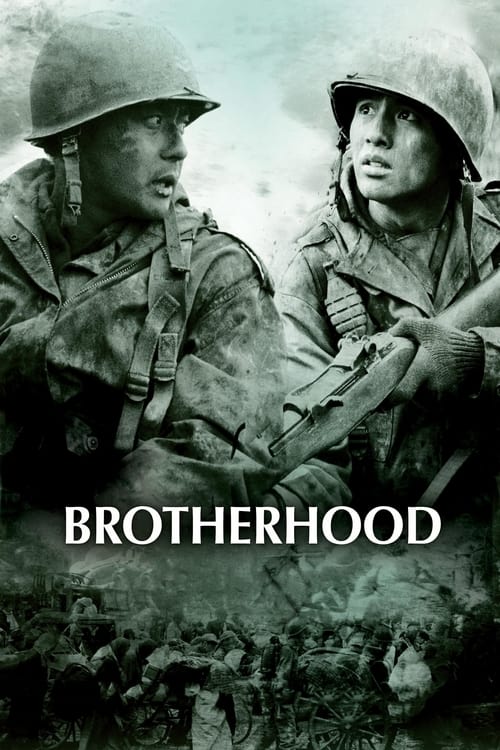
Tae Guk Gi: The Brotherhood of War
2004
No user ratings available yet
Representation score: 2.9 out of 10
Representation Score
Limited
2019
NRDirector
Kwak Kyung-taek, Kim Tae-hun
Runtime
104 minutes
Average Rating
No ratings yetNew Showbiz Analysis
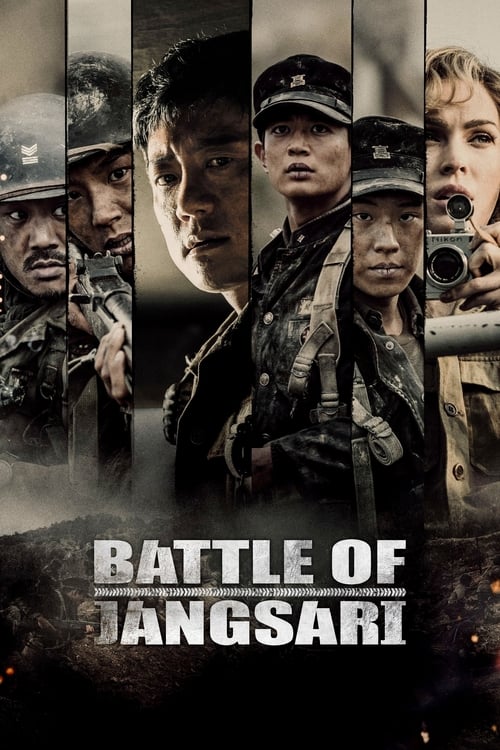
Battle of Jangsari is a traditional historical war epic that emphasizes national narrative and masculine brotherhood. While it avoids overly patriotic themes, it lacks diverse representation. The film provides a critical look at military institutions and systemic decision-making. By highlighting the human cost of war, it moves away from typical heroic clichés. However, the production remains limited by its narrow focus. The lack of gender, sexual, and ethnic diversity confines the perspective to a specific wartime experience.
Category Breakdown
The film focuses solely on the camaraderie among male soldiers in a military unit and does not include any LGBTQ+ characters or explore non-straight relationships.
The movie centers on male soldiers and lacks female characters who play a significant role in driving the story. It reinforces a male-dominated environment.
The cast is mainly composed of actors representing a single ethnic group, reflecting the historical context of the Korean War. It serves as a localized historical study rather than a diverse production.
The film challenges traditional war clichés by depicting soldiers as victims of geopolitical conflicts. It highlights the harsh realities of war rather than glorifying military actions.
Disability is limited to physical injuries sustained during combat. There is no representation of neurodivergent identities or characters with ability to act related to disability.
Present on Screen
Limited or Absent
Official Synopsis
Korean War, September 1950. In order to fight the enemy forces based in the South of the peninsula, General MacArthur orders the start of the Incheon Landing Operation, deploying diversionary attacks in other locations. Without real military forces to spare, 772 very young Korean student soldiers, barely trained, are sent to Jangsari Beach, where they will face a heroic fate and discover the value of friendship. (A sequel to Operation Chromite, released in 2016.)
2004
1959

1959
2010
2006
2019

1975

2015
No reviews yet. Be the first to share your thoughts on this movie!
Use the rating form above to leave a star rating and optional review.