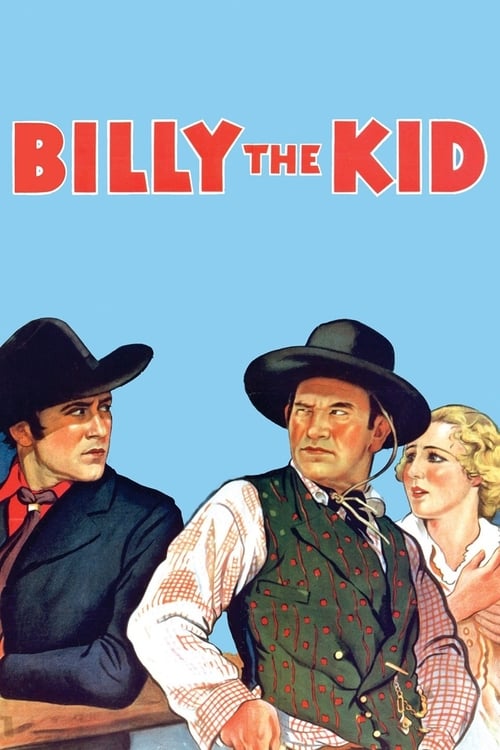
Billy the Kid
1930
No user ratings available yet
Diversity score: 2.3 out of 10

1936
NRDirector
King Vidor
Runtime
98 minutes
Average Rating
No ratings yetSynopsis
Two down-on-their-luck former outlaws volunteer to be Texas Rangers and find themselves assigned to bring in an old friend, now a notorious outlaw.
Overall Score
Minimal
Category Breakdown
LGBTQ+ Representation
The film operates within a strictly heteronormative framework. There are no visible LGBTQ+ characters or explorations of queer intimacy.
Gender Representation
Narrative drive centers on masculine heroism and the lawman archetype. Female characters are relegated to supporting roles as romantic interests or figures needing protection.
Racial & Ethnic Diversity
Casting is predominantly homogeneous, focusing on a white protagonist group. The film reinforces an Anglo-centric view of Westward expansion and frontier order.
Religious & Cultural Diversity
The story celebrates traditional Western institutions and the Texas Rangers. It frames the establishment of law and order as a moral imperative.
Disability Representation
There are no notable depictions of physical or neurodivergent disabilities. Characters are defined by physical capability and frontier resilience.
Strengths
Areas for Improvement
AI Analysis
The Texas Rangers is a quintessential 1930s Western that prioritizes the reinforcement of traditional social hierarchies. The narrative focuses on masculine archetypes and the legitimacy of institutional authority rather than challenging existing power dynamics. Representation is minimal, as the film adheres to the era's standard genre conventions. It presents a clear dichotomy between lawful citizens and criminals, upholding the sanctity of established social norms. Ultimately, the film serves as a conventional portrayal of frontier justice, offering little to no diversity in terms of gender, race, or identity.
1930

1951
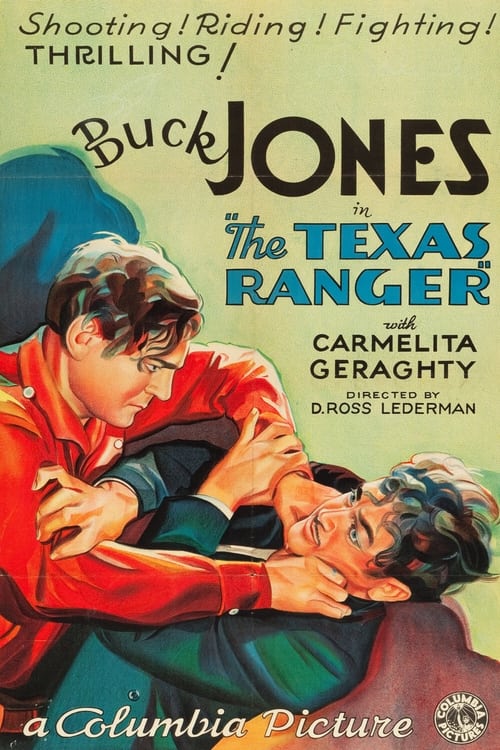
1931
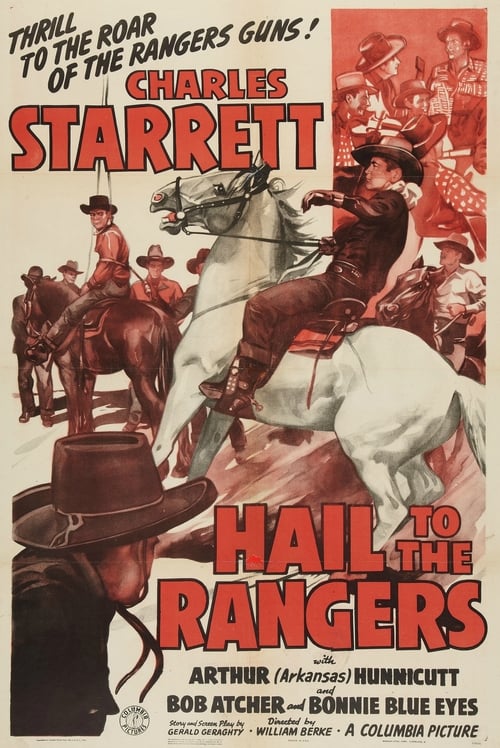
1943
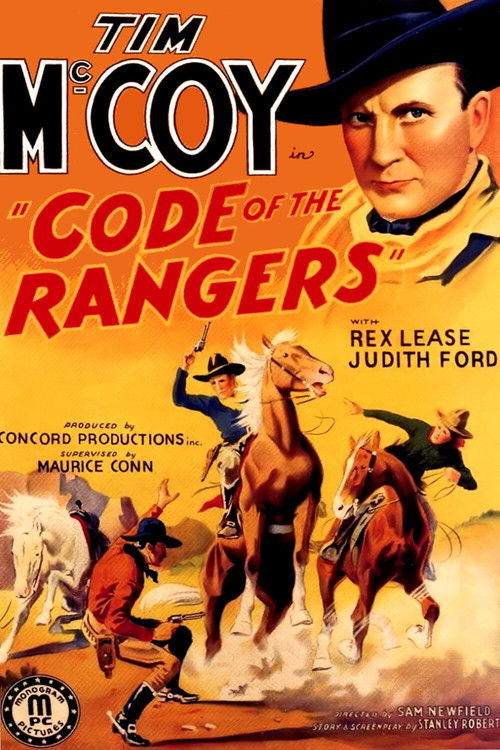
1938
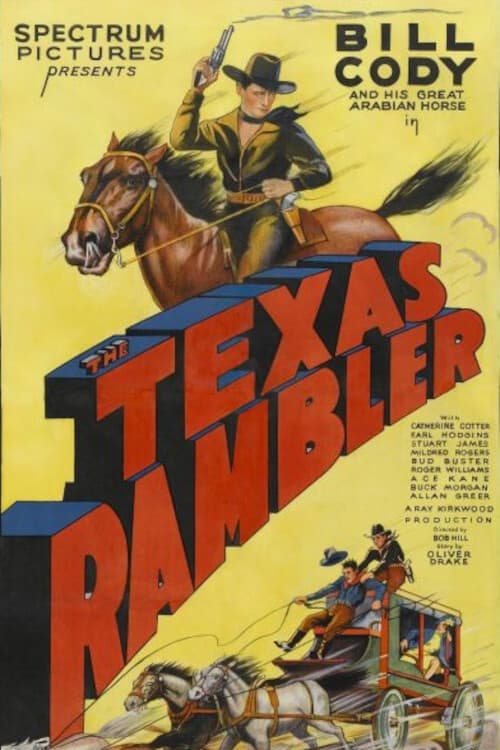
1935
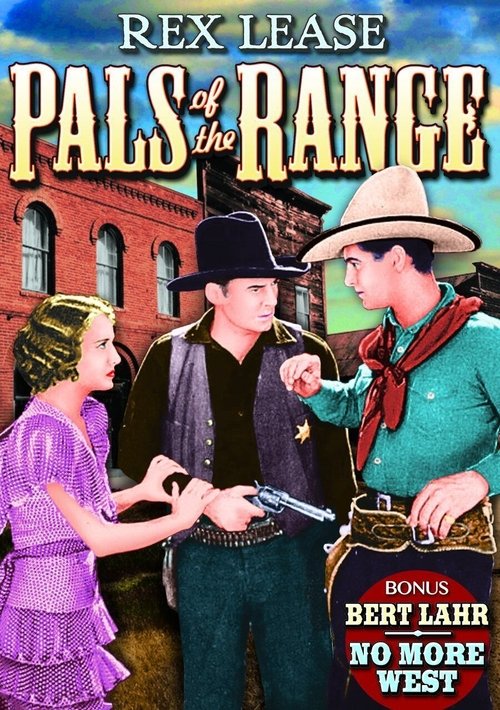
1935
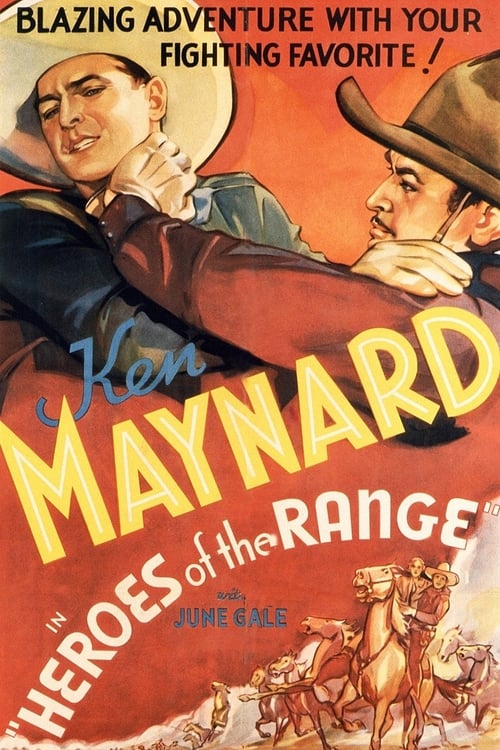
1936
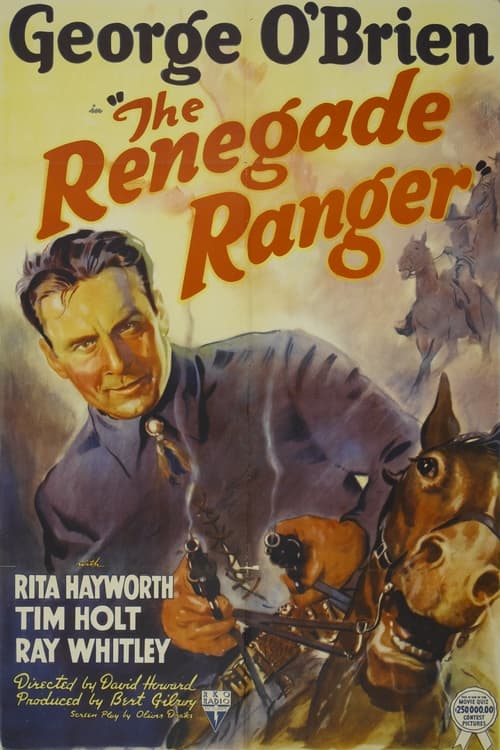
1938
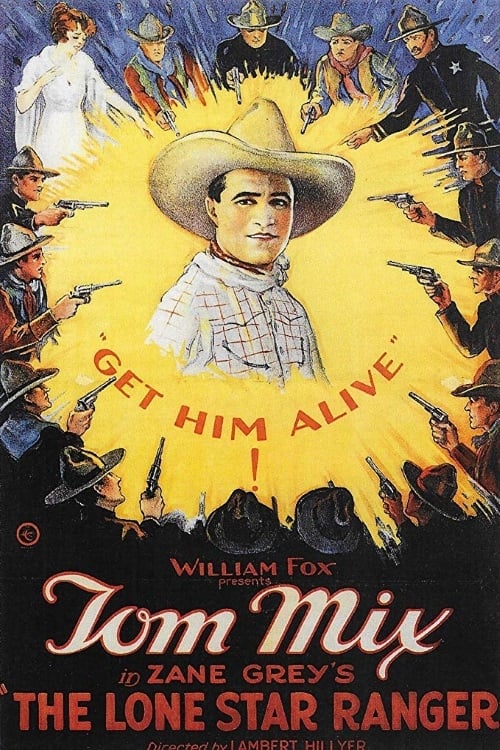
1923

1956
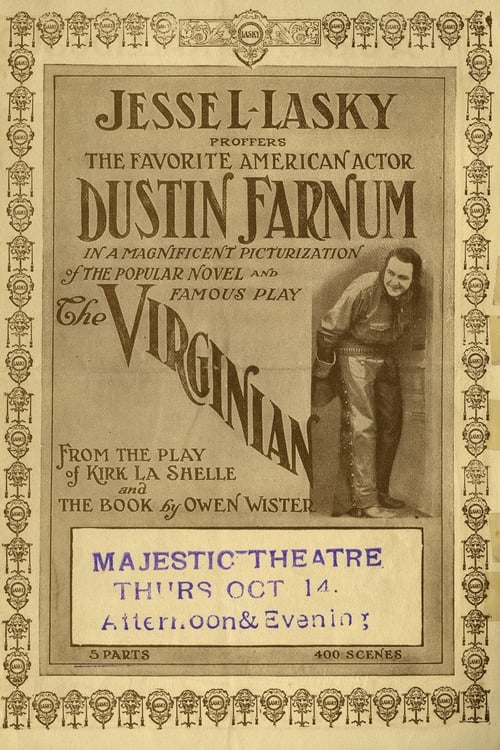
1914
No reviews yet. Be the first to share your thoughts on this movie!
Use the rating form above to leave a star rating and optional review.