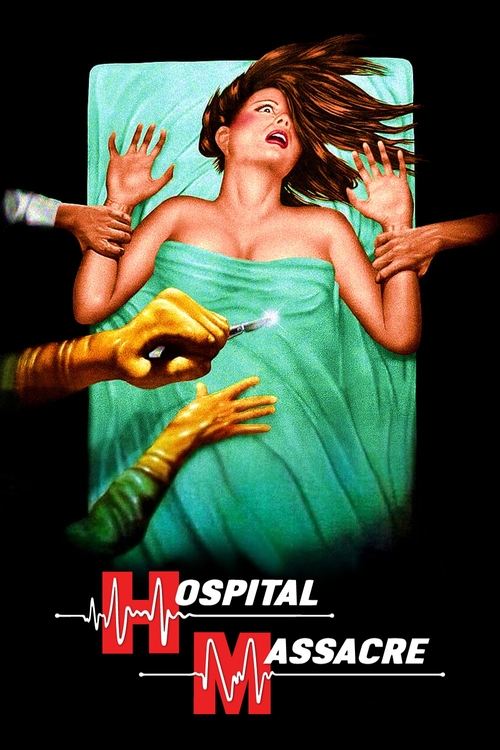
Hospital Massacre
1981
No user ratings available yet
Diversity score: 2.5 out of 10
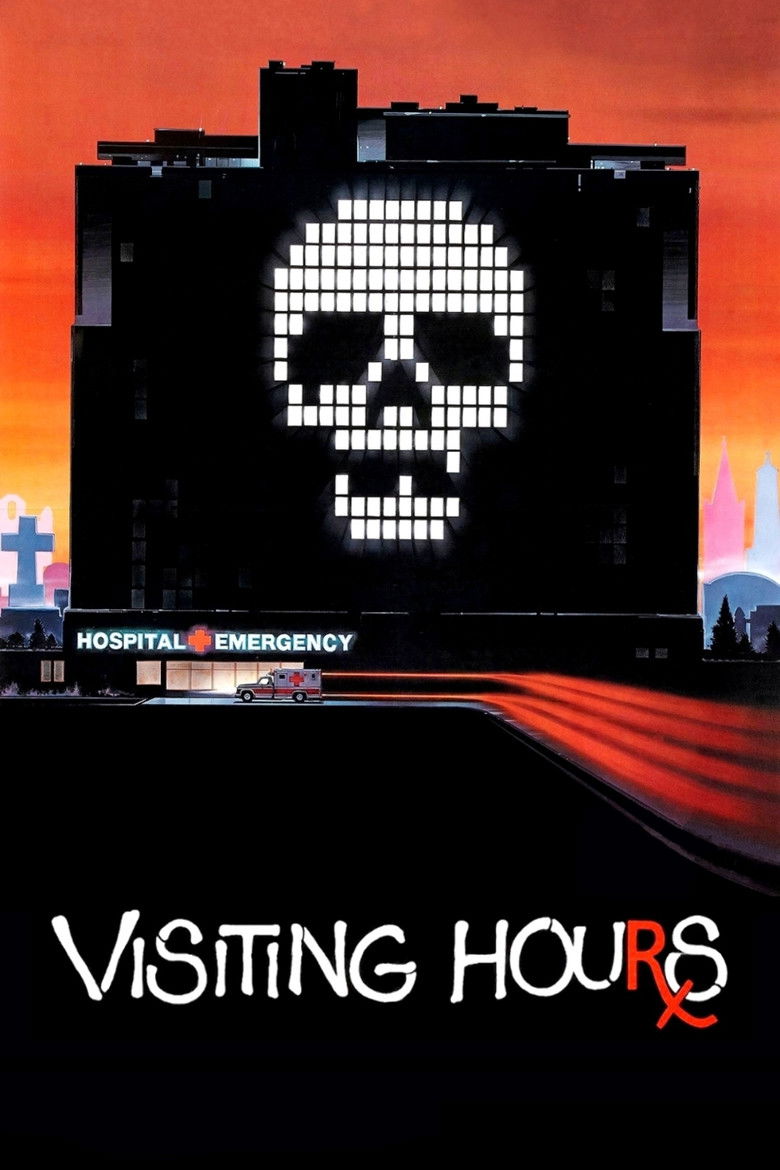
1982
RDirector
Jean-Claude Lord
Runtime
105 minutes
Average Rating
No ratings yetSynopsis
A deranged, misogynistic killer assaults a journalist. When he discovers that she survived the attack, he follows her to the hospital to finish her off.
Overall Score
Limited
Category Breakdown
LGBTQ+ Representation
The film lacks any discernible presence of LGBTQ+ characters or narratives. The focus remains strictly on the central conflict between the antagonist and the protagonist.
Gender Representation
Female characters, such as medical staff, possess professional agency but primarily serve as targets for a misogynistic killer. The power dynamic reinforces traditional tropes of gendered violence.
Racial & Ethnic Diversity
The cast appears relatively homogeneous, typical of early 1980s psychological thrillers. There is no evidence of diverse casting used to challenge historical norms.
Religious & Cultural Diversity
The narrative uses a hospital setting as a functional plot device for tension. It adheres to traditional moral frameworks rather than offering a critique of Western institutions.
Disability Representation
Characters with mental health conditions are present within the psychiatric ward setting. However, these portrayals serve the thriller's tension rather than providing nuanced depictions of neurodivergence.
Strengths
Areas for Improvement
AI Analysis
Visiting Hours operates as a conventional 1980s thriller, relying on established genre mechanics rather than social commentary. The narrative architecture is built around a singular, predatory antagonist and his victims, which limits the opportunity for intersectional depth. The film's themes of institutional breakdown are driven by individual pathology rather than a critique of systemic structures. Consequently, the representation remains within the standard bounds of its era, offering little narrative subversion. Ultimately, the film prioritizes tension and traditional horror tropes over the exploration of diverse identities or the deconstruction of social hierarchies.
1981
1994

1997
2004

1989
1988
1975
1985
1973
1990
1971

1980
No reviews yet. Be the first to share your thoughts on this movie!
Use the rating form above to leave a star rating and optional review.