Cauldron: Baptism of Blood
2004
No user ratings available yet
Representation score: 1.4 out of 10
Representation Score
Minimal
1993
RDirector
Talun Hsu
Runtime
99 minutes
Average Rating
No ratings yetNew Showbiz Analysis
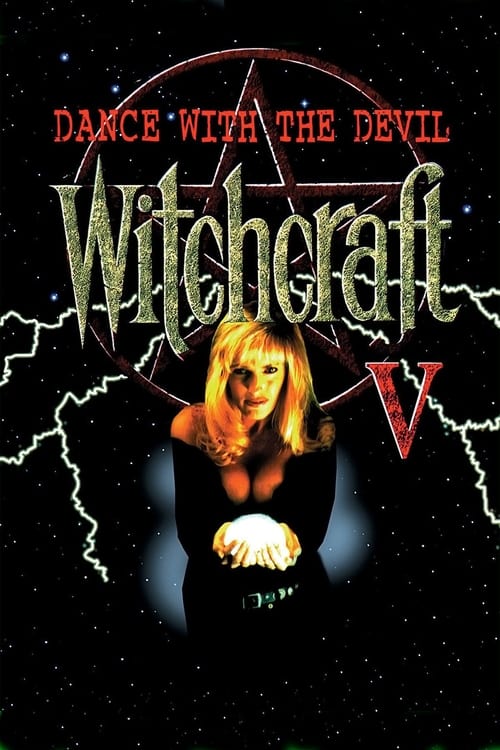
Witchcraft V: Dance with the Devil follows the standard horror clichés of the early 1990s direct-to-video market. The film prioritizes traditional genre archetypes and physical objectification over any meaningful narrative subversion or social commentary. The movie fails to represent LGBTQ+ identities or individuals with disabilities. Its reliance on traditional frameworks keeps the story within conventional, non-storytelling that reflects multiple aspects of identity. Ultimately, the film reinforces existing social hierarchies, especially regarding gender, by using female characters as tools for a male antagonist's goals rather than as characters with independent roles.
Category Breakdown
The film does not include characters with non-binary gender identities or stories that question the assumption that everyone is straight. It focuses on traditional horror types that do not give much power to LGBTQ+ characters.
The story heavily relies on the objectification of women. Female characters mainly serve as visual elements or sacrifices for a male antagonist, reinforcing male-dominated structures.
There is no indication of casting actors from different racial backgrounds or using diverse casts to challenge historical norms. The narrative seems centered around a traditional antagonist archetype.
The film uses a classic 'Good vs. Evil' framework focused on occultism and Satanism. It leans on well-known religious clichés typical in mid-budget horror.
There is no evidence of characters with visible or invisible disabilities. The plot does not show how such characters might be used.
Present on Screen
Limited or Absent
Official Synopsis
An evil warlock takes over a rock club. He uses beautiful, large-breasted and frequently nude women to try to collect enough souls so that he may be able to bring Satan to Earth.
2004
2005

2017
2004
1994
2005
1986
1983
No reviews yet. Be the first to share your thoughts on this movie!
Use the rating form above to leave a star rating and optional review.