The Bridge
1999
No user ratings available yet
Diversity score: 3.6 out of 10
1937
Director
Edmond T. Gréville
Runtime
69 minutes
Average Rating
No ratings yetSynopsis
A remarkable story of love lost and found, as a young couple are separated by circumstance, and plunged into emotional turmoil by a reunion...
Overall Score
Limited
Category Breakdown
LGBTQ+ Representation
The film lacks explicit LGBTQ+ characters or non-heteronormative identities. The narrative focuses on a young couple and traditional romantic structures typical of 1937 cinema.
Gender Representation
The story centers on sexual passion and emotional turmoil. While women may occupy traditional roles, the film provides a vivid, sensory presence to the female form.
Racial & Ethnic Diversity
The production reflects the homogeneous social norms of the 1930s British film industry. The cast appears to be a predominantly Anglo-Saxon ensemble.
Religious & Cultural Diversity
The film prioritizes individual passion and atmosphere over rigid religious dogma. This focus suggests a slight departure from the strict Christian morality common in contemporary period pieces.
Disability Representation
There is no mention of characters with visible or invisible disabilities within the available narrative or historical records.
Strengths
Areas for Improvement
AI Analysis
Brief Ecstasy is a period-specific romantic drama that prioritizes atmosphere and sensory experience over didactic moralizing. While it explores the nuances of human desire, it does so within a very narrow demographic framework. The film lacks intersectional complexity, adhering to the social and racial homogeneity of the 1930s British studio system. It functions more as a study of passion than a vehicle for diverse representation. Ultimately, the film's value is stylistic rather than social. It offers a more subjective view of morality through its focus on desire, yet remains limited by the systemic constraints of its era.
1999

1981

1992

1927
1988

1998

1983

1971
2009

1917
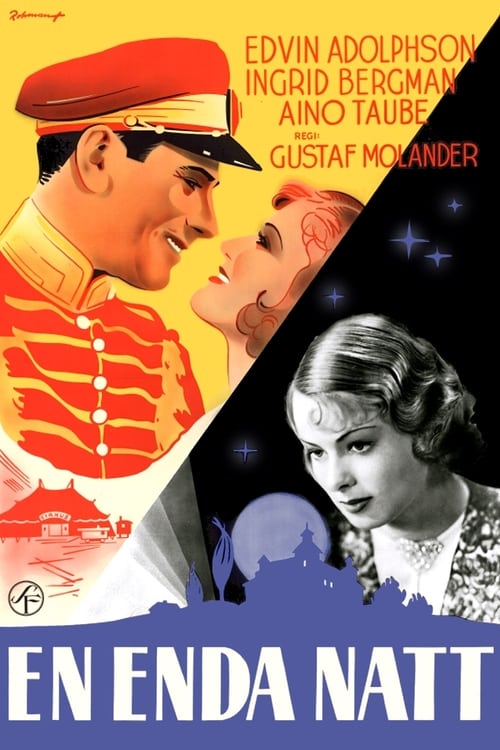
1939

1993
No reviews yet. Be the first to share your thoughts on this movie!
Use the rating form above to leave a star rating and optional review.