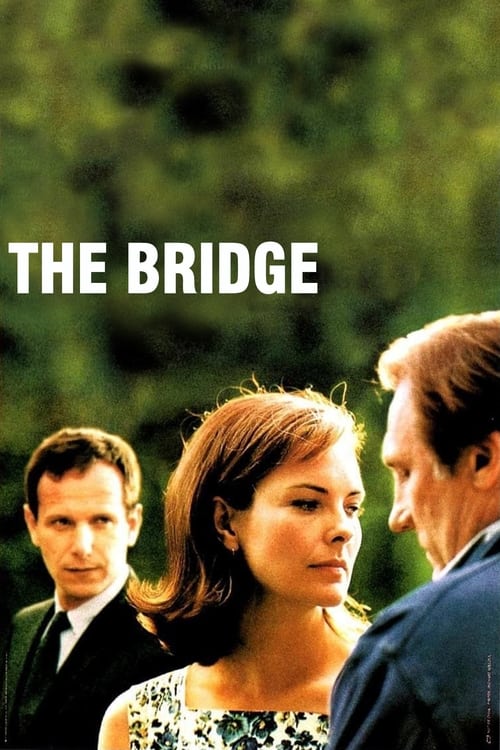
The Bridge
1999
No user ratings available yet
Diversity score: 3.6 out of 10

1998
Director
Dimitris Panayiotatos
Runtime
86 minutes
Average Rating
No ratings yetSynopsis
A couple in crisis comes closer when the woman (who suspecting her husband of adultery) decides to work as a dancer in a nightclub. When he sees her dancing, he desires her again.
Overall Score
Limited
Category Breakdown
LGBTQ+ Representation
The story centers on a heterosexual couple navigating infidelity and desire. It lacks non-cisnormative identities or narratives that challenge heteronormative structures.
Gender Representation
A woman finds agency through her work as a dancer, yet the plot relies on the male gaze. Her character's shift is ultimately validated by her husband's renewed desire.
Racial & Ethnic Diversity
The film follows a conventional dramatic structure without evidence of multi-ethnic casting. It appears to adhere to standard regional demographic expectations.
Religious & Cultural Diversity
The narrative explores subjective morality through marital crisis. It moves away from idealized family structures but lacks an explicit anti-institutional or anti-capitalist stance.
Disability Representation
There is no evidence of characters with physical or neurodivergent disabilities within the narrative.
Strengths
Areas for Improvement
AI Analysis
The film operates as a traditional romantic drama focused on interpersonal conflict. While it provides a glimpse of female autonomy through professional reinvention, the narrative remains tethered to conventional tropes and the male gaze. Diversity is limited by a narrow focus on a heterosexual marital crisis. The lack of intersectional complexity or systemic critique keeps the work within standard dramatic boundaries. Ultimately, the film lacks representation for LGBTQ+ identities, diverse racial backgrounds, or disability, resulting in a score that reflects its adherence to traditional social norms.
1999
2009

1988

1992

2019

2018

1981

1976

2002
1913

2014
2015
No reviews yet. Be the first to share your thoughts on this movie!
Use the rating form above to leave a star rating and optional review.