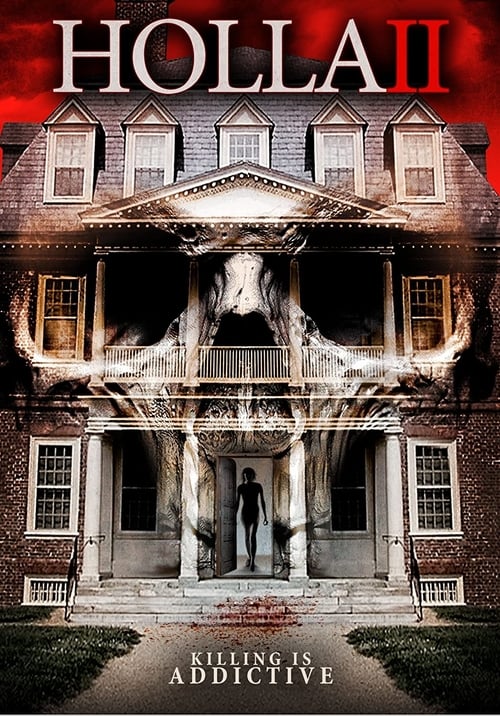
Holla 2
2013
No user ratings available yet
Diversity score: 5.0 out of 10

1991
Director
Alex Chandon
Runtime
36 minutes
Average Rating
No ratings yetSynopsis
A group of people is having a barbecue party when two Krishnas appear at their doorstep, both of which transform into hideous monsters and start killing everybody in gory ways. The survivors retreat to a friend's house and realize something bigger is going on...
Overall Score
Fair
Category Breakdown
LGBTQ+ Representation
The film lacks any evidence of LGBTQ+ characters or narratives. The focus remains on survival mechanics within a traditional horror ensemble structure.
Gender Representation
Specific character dynamics are not detailed, leaving the film reliant on standard genre tropes. There is no evidence of women exercising high agency or subverting masculine leadership.
Racial & Ethnic Diversity
The plot centers on two Krishnas who act as catalysts for the carnage. This introduces cultural friction by using non-Western religious iconography to disrupt a standard social setting.
Religious & Cultural Diversity
The narrative departs from Western-centric moral frameworks by using religious figures as agents of chaos. This deconstructs religious sanctity and challenges conventional spiritual security.
Disability Representation
There is no documented evidence regarding the inclusion of characters with physical or neurodivergent disabilities.
Strengths
Areas for Improvement
AI Analysis
Bad Karma functions as a high-intensity horror film that uses supernatural intrusion to dismantle social hierarchies. Its primary impact comes from the disruption of a conventional barbecue setting by external, culturally distinct elements. The film's strength lies in its use of non-Western religious motifs to challenge standard horror tropes. By transforming religious figures into monsters, it creates a moral landscape that deviates from typical Western 'good vs. evil' dichotomies. However, the film remains limited by a lack of nuanced character agency. Without evidence of intersectional identities or gender subversion, it largely adheres to the predictable structures of the creature feature genre.
2013
2009
1976
2002
2016
1989
2001
2006
2003
2016
1986
2013
No reviews yet. Be the first to share your thoughts on this movie!
Use the rating form above to leave a star rating and optional review.