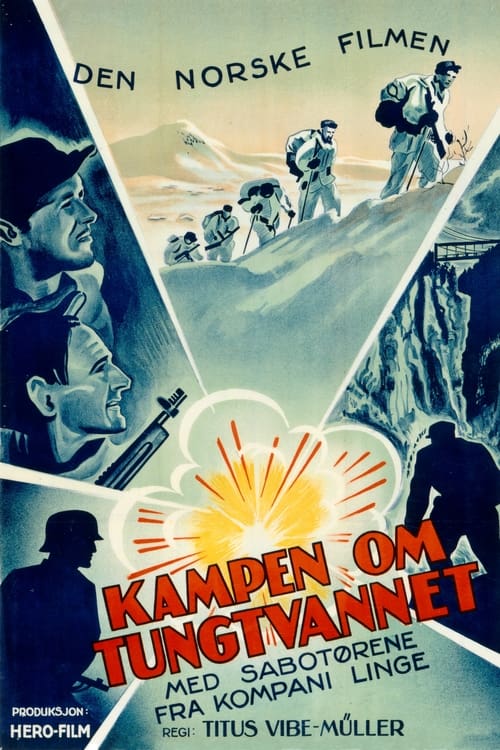
Operation Swallow: The Battle for Heavy Water
1948
No user ratings available yet
Representation score: 2.6 out of 10
Representation Score
Minimal
1956
Director
Werner Klingler
Runtime
102 minutes
Average Rating
No ratings yetNew Showbiz Analysis
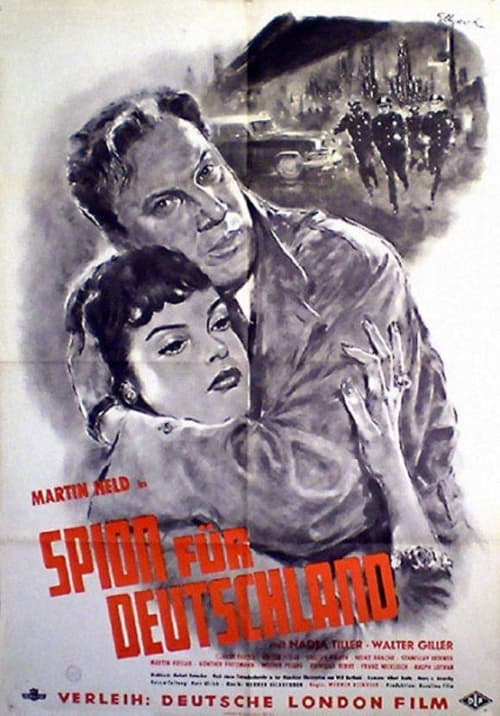
Spy for Germany is a mid-century historical drama that reflects the sociopolitical constraints of its era. The film focuses on the geopolitical tensions of 1944, specifically the race to control atomic development. The production adheres to traditional cinematic values, prioritizing national security and state-centric morality. This results in a narrative that lacks complexity and diverse social perspectives. Ultimately, the film serves as a product of its time, utilizing conventional gendered and racial hierarchies typical of 1950s European genre filmmaking.
Category Breakdown
The film centers on wartime espionage and national security, operating within a traditional framework that assumes everyone is straight or cisgender. There is no indication of LGBTQ+ identities.
The narrative likely reinforces traditional gender roles. Male characters play key roles in driving the story, while female characters are often relegated to supporting or domestic roles.
The story focuses on German and American interests, using homogeneous casting that lacks emphasis on multi-ethnic or diverse perspectives common in 1950s European cinema.
This conventional historical drama aligns with traditional notions of patriotism. It lacks indicators of anti-Western, anti-capitalist, or secularist themes.
There is no evidence of neurodivergence or physical disabilities being integrated with real power. Such elements were rarely addressed in 1950s cinema outside of stereotypes.
Present on Screen
Limited or Absent
Official Synopsis
The true story of a German agent sent to the USA in 1944 in order to stop the development of the atomic bomb.
1948

1965
1951

1952
1990

1951

1946
1999
No reviews yet. Be the first to share your thoughts on this movie!
Use the rating form above to leave a star rating and optional review.