
When He's Not a Stranger
1989
No user ratings available yet
Representation score: 2.1 out of 10
Representation Score
Minimal
1995
RDirector
Douglas Tirola
Runtime
109 minutes
Average Rating
No ratings yetNew Showbiz Analysis
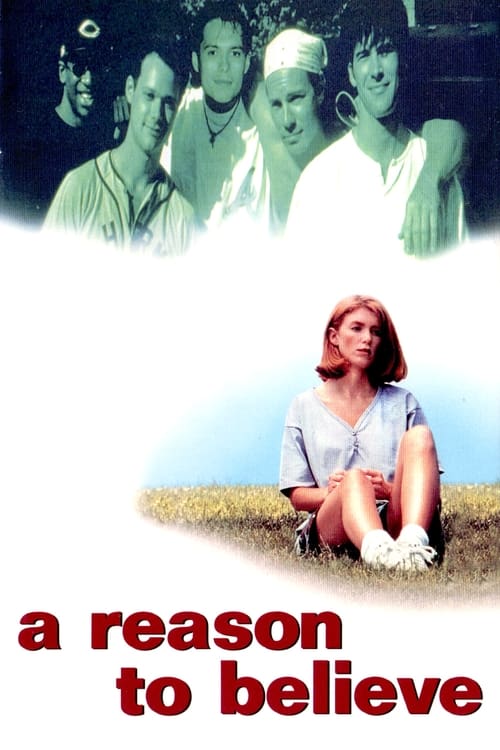
A Reason to Believe is a conventional mid-90s drama that upholds traditional social and spiritual hierarchies. While it centers on a female protagonist's emotional journey, the narrative structure remains deeply rooted in established norms. The film lacks multi-layered depth, relying on a homogeneous cast and a narrow focus on Western religious values. It serves more as a reinforcement of the status quo than a challenge to social structures. Ultimately, the film's adherence to traditional family units and singular religious morality limits its representation of diverse lived experiences.
Category Breakdown
The film adheres to a traditional framework that assumes everyone is straight or cisgender. It does not include LGBTQ+ characters or explore non-straight relationships.
A central female character provides ability to act through her journey of trauma and recovery. However, the narrative reinforces traditional gender roles and emphasizes domestic stability.
The production features a predominantly homogeneous cast. There are no characters of color in positions of high ability to act or significant blending of races.
The story highlights Western institutions such as the church and the nuclear family. These are portrayed as sources of stability without critique.
While the film explores psychological trauma, it does not feature specific visible or invisible disabilities as central character identities.
Present on Screen
Limited or Absent
Official Synopsis
Sorority gal Charlotte's innocence is lost after she is raped during a frat party. Confused, terrified and shunned by her peers, she finds solace and the courage to confront her attacker after she is befriended by the leader of a campus women's group.
1989

2015
1998
2013

1995
1988
2006
1977
No reviews yet. Be the first to share your thoughts on this movie!
Use the rating form above to leave a star rating and optional review.