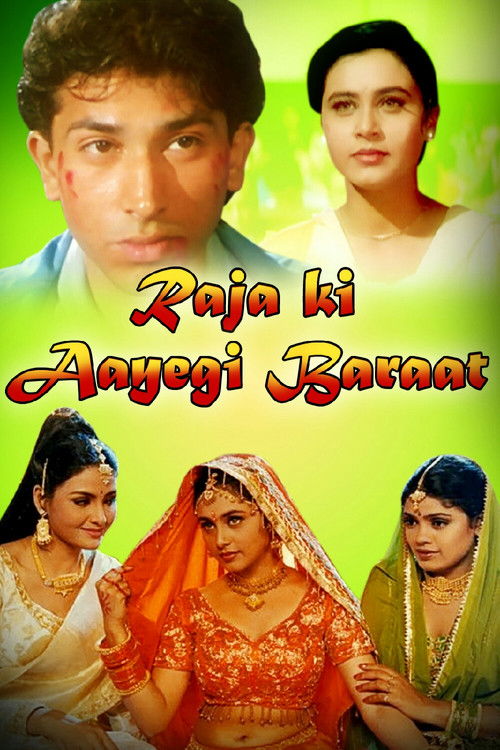
Raja Ki Ayegi Baraat
1997
No user ratings available yet
Representation score: 3.0 out of 10
Representation Score
Minimal
2000
Director
Satish Kaushik
Runtime
165 minutes
Average Rating
No ratings yetNew Showbiz Analysis
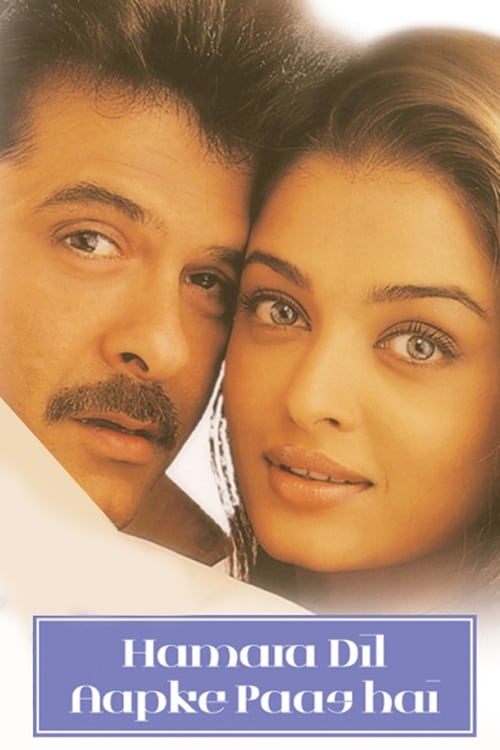
Hamara Dil Aapke Paas Hai is a classic turn-of-the-millennium Bollywood melodrama. It prioritizes emotional resonance and romantic clichés over any critique of social hierarchies. While the protagonist’s courage in testifying against a criminal disrupts power momentarily, the film ultimately returns to traditional archetypes. The narrative structure relies heavily on conventional romantic reconciliation and the stability of social norms. It functions as a hero-centric drama rather than a tool for social critique. Ultimately, the film reflects the industry standards of its time, focusing on individual virtue and romantic devotion rather than addressing broader social complexities.
Category Breakdown
The film does not include any LGBTQ+ characters or non-straight relationships. All romantic storylines center around traditional heterosexual couples.
Preeti plays a significant role by testifying against a criminal, but her storyline depends on male protection. The film emphasizes traditional gender roles and emotional fortitude.
The cast is primarily South Asian, reflecting the cultural context. It presents a homogeneous landscape typical of mainstream Indian cinema from this period.
The plot upholds traditional family structures and themes of honor. It prioritizes individual romantic virtue over broader moral or systemic considerations.
There are no depictions of physical or invisible disabilities. The narrative does not address neurodivergence or accessibility issues.
Present on Screen
Limited or Absent
Official Synopsis
When Preeti testifies against Bhavani Choudhry for a murder, he rapes her. After being humiliated and thrown out by her family, Avinash, a kind man, offers her a place to stay.
1997

2005

1999
2016
1978
2009
2000

2004
No reviews yet. Be the first to share your thoughts on this movie!
Use the rating form above to leave a star rating and optional review.