
Do Not Shoot at White Swans
1980
No user ratings available yet
Representation score: 6.8 out of 10
Representation Score
Fair
1980
Director
Markku Lehmuskallio
Runtime
80 minutes
Average Rating
No ratings yetNew Showbiz Analysis
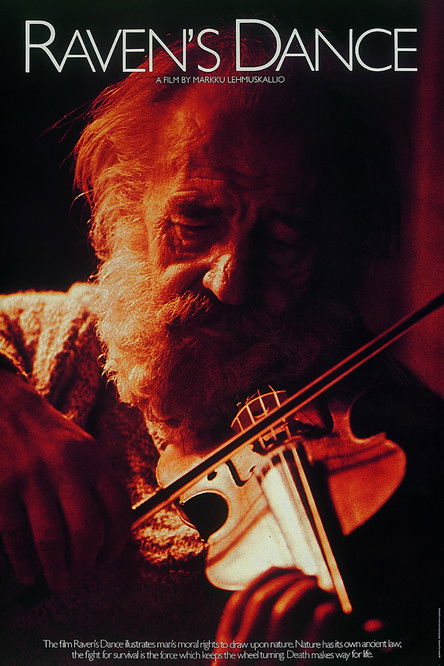
The Raven's Dance is a contemplative critique of modernity that emphasizes thematic depth over broad demographic representation. It challenges traditional clichés, especially those related to masculinity and the relationship between humanity and nature. While the film does not explicitly represent LGBTQ+ identities or racial diversity, it offers a nuanced commentary on the tension between systemic expansion and individual autonomy. The narrative portrays industrial progress as a disruptive force rather than a societal benefit. Ultimately, the film's progressive value lies in its ecological perspective and critique of the encroaching 'civilized' legal system.
Category Breakdown
The film focuses on a traditional married couple and does not include any visible LGBTQ+ identities or subtext related to queer relationships.
The protagonist challenges the traditional hunter archetype by viewing hunting as a means of ecological stewardship rather than a sport focused on conquest.
Set in remote Finland, the story features a homogeneous local population without any multi-layered casting or racial diversity.
The narrative critiques industrial expansion and institutional authority, emphasizing ecological morality and the cyclical nature of the forest over Western-style progress and capitalist growth.
The film does not depict any specific instances of physical or neurodivergent disabilities.
Present on Screen
Limited or Absent
Official Synopsis
With a keen sense of visual beauty, director Markku Lehmuskallio has created a thought-provoking, aesthetic film about a married couple and an old man living in a remote part of Finland. The young husband goes out hunting but only to support himself and his wife, not to kill off hordes of animals. He sets traps, and that gets him in trouble with the police who proceed to ticket him for using the devices. The forest cycles themselves are intimated when an old tree is shown falling to earth -- perhaps a reflection on the old man's passing years. In contrast to these few people living off the land and basically keeping the ecological balance intact, a highway construction crew is shown at work felling trees. Soon the antagonism grows between encroaching civilization and the quiet life of the young couple and elderly man.
1980
2010
1993
1965

1980
1971
2004

1985
No reviews yet. Be the first to share your thoughts on this movie!
Use the rating form above to leave a star rating and optional review.