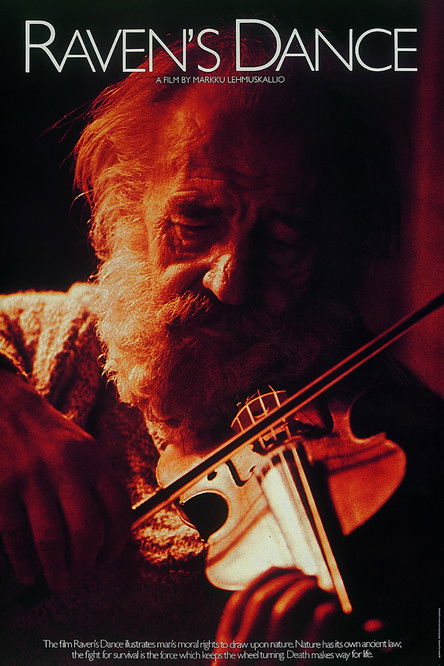
The Raven's Dance
1980
No user ratings available yet
Representation score: 4.9 out of 10
Representation Score
Good
1980
Director
Rodion Nahapetov
Runtime
136 minutes
Average Rating
No ratings yetNew Showbiz Analysis
The film is a character study centered on an individual's moral autonomy against a collective society. It lacks demographic breadth, particularly regarding race and LGBTQ+ identities, which keeps the overall score low. However, the film gains merit through its challenge of social norms. By portraying a protagonist whose sensitive, artistic traits clash with communal expectations, it challenges traditional hierarchies and gendered competence. Ultimately, the narrative's strength lies in its cultural critique of systemic pressure rather than its representation of diverse identity groups.
Category Breakdown
The film focuses on a traditional family unit consisting of a husband, wife, and son. There is no depiction of LGBTQ+ identities or non-straight relationships.
Egor’s kind-hearted and artistic nature disrupts traditional masculine archetypes. His social vulnerability contrasts with his wife and neighbors, who enforce social norms.
Set in a small Soviet-era village, the film features a homogeneous ethnic composition. There is no evidence of racial blending or non-Slavic casting.
The story critiques collective interests by prioritizing individual empathy and nature over utilitarianism. It frames the community's interests as an oppressive force against the protagonist.
Egor is labeled a 'misfortune bearer,' suggesting social maladaptation linked to neurodivergence. His struggle stems from an inability to conform to the community's rigid social expectations.
Present on Screen
Limited or Absent
Official Synopsis
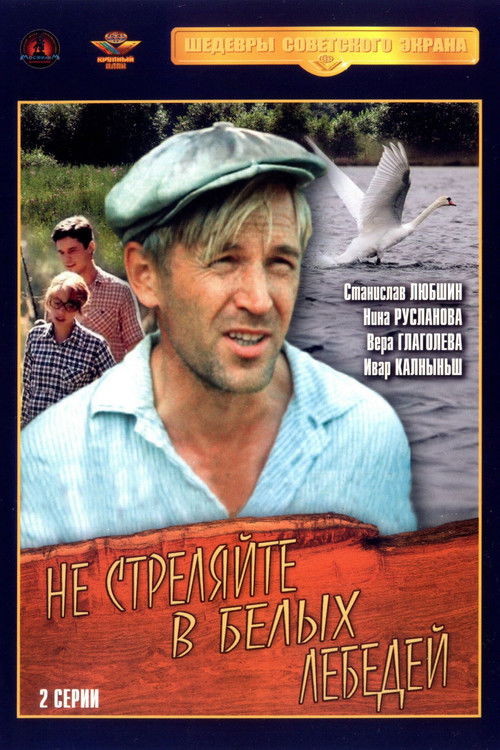
Egor Polushkin (Stanislav Lyubshin) is a kind-hearted, nature loving, artistic family man who is living in a small village. To his neighbors and even his wife (Nina Ruslanova) he is a walking disaster, so they frown at him and call him Bedonosec (engl. misfortune bearer). Only Egors son (Viktor Anisimov) shares his enthusiasm for the beautiful things of live. As Egor becomes the new forest ranger, this new position brings him not only joy, but it is also the source of great suffering to come, as his fondness for the living nature and especially the newly acquired white swans is in conflict with the interests of others...
1980
1946
1961
1965
1957
1961
1979
1974
No reviews yet. Be the first to share your thoughts on this movie!
Use the rating form above to leave a star rating and optional review.