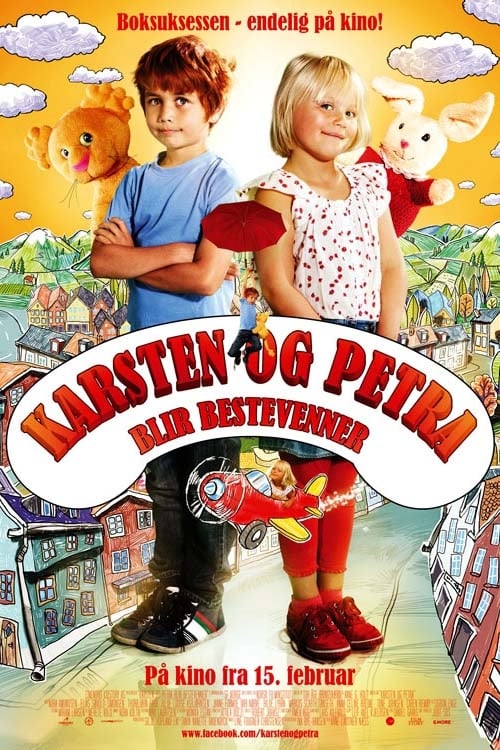
Casper and Emma: Best Friends
2013
No user ratings available yet
Diversity score: 4.1 out of 10
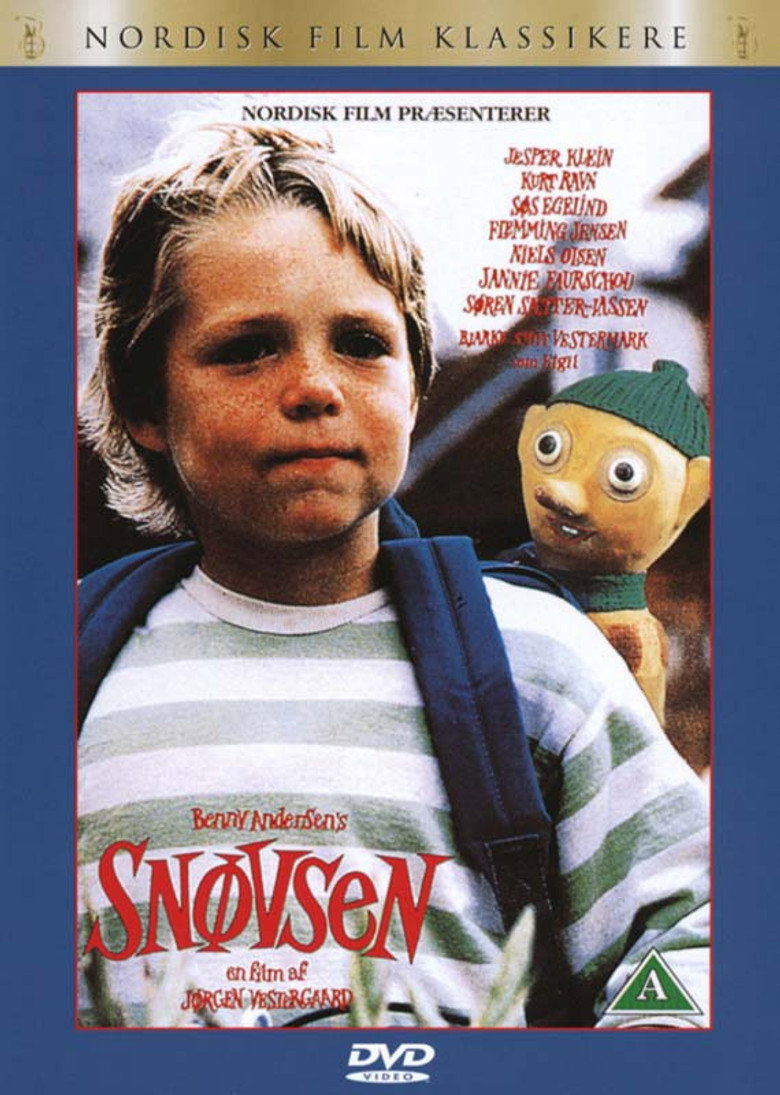
1992
Director
Jørgen Vestergaard
Runtime
89 minutes
Average Rating
No ratings yetSynopsis
The Snooks (singular!) derives his name from the Danish expression "leaving the Snooks behind" much used by 7-year-old Eigil's parents to indicate somebody's going nuts. This being a live action-cum-puppet animation film, Eigil's own imagination turns the Snooks into an amiable gnome-like little fellow and best friend during a summer holiday. When they are being joined by a cat, the fun really begins.
Overall Score
Limited
Category Breakdown
LGBTQ+ Representation
The film lacks intentional LGBTQ+ representation. The story focuses on a child's relationship with an imaginary puppet friend within a traditional framework.
Gender Representation
The narrative centers on a young boy's imaginative play. It follows standard genre tropes without challenging traditional gender hierarchies or domestic roles.
Racial & Ethnic Diversity
The production appears to have a homogeneous focus typical of early 90s European cinema. There is no indication of a multi-ethnic cast.
Religious & Cultural Diversity
The film emphasizes localized Danish identity and traditional family values. It prioritizes conventional, positive moral storytelling over social critique.
Disability Representation
There is no evidence of characters with visible or invisible disabilities within the narrative.
Strengths
Areas for Improvement
AI Analysis
The Snooks is a localized piece of family entertainment that prioritizes childhood whimsy over social representation. It functions within the conventional parameters of its era, focusing on a Danish cultural idiom and the imaginative world of a young boy. The film adheres to standard genre tropes, offering a traditional experience rather than a subversive one. It lacks intersectional identities, focusing instead on the sanctity of the family unit and domestic childhood development. Because the narrative is centered on a specific national identity and a singular protagonist's imagination, it does not engage with broader global or diverse perspectives.
2013
1997

1993
1983
1969

2013
1988
1994

1959

1991
1967
1981
No reviews yet. Be the first to share your thoughts on this movie!
Use the rating form above to leave a star rating and optional review.