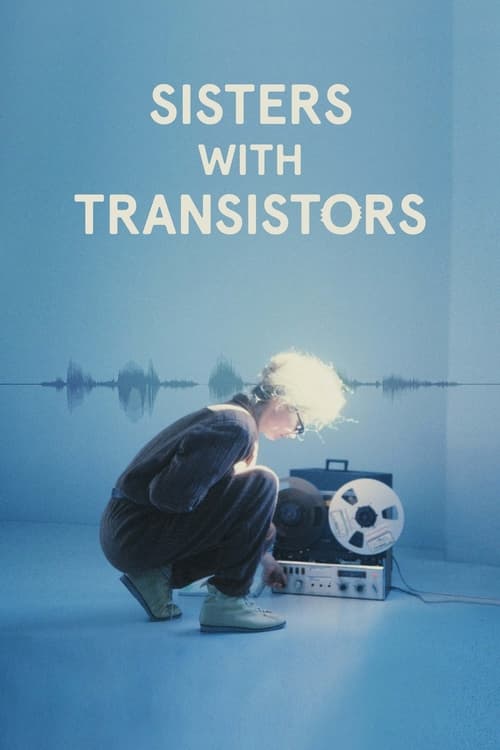
Sisters with Transistors
2021
No user ratings available yet
Representation score: 6.7 out of 10
Representation Score
Excellent
2011
Not RatedDirector
Judy Chaikin
Runtime
81 minutes
Average Rating
No ratings yetNew Showbiz Analysis
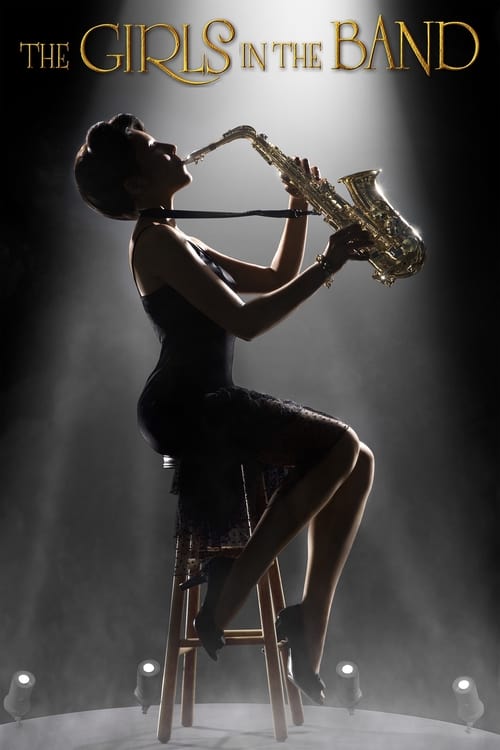
Judy Chaikin’s documentary is a vital act of historical reclamation. By centering female instrumentalists, the film moves women from the periphery of jazz history to its very core. It successfully dismantles patriarchal structures by showcasing the technical rigor and ability to act of its subjects. The film's strength lies in its multi-layered approach. It does not just look at gender in isolation but examines how race and sexuality shaped the professional journeys of these musicians. This creates a holistic view of the mid-20th-century music industry. While the film is a powerhouse for gender and LGBTQ+ representation, it is less focused on disability. The narrative prioritizes the collective struggle against systemic exclusion over individual depictions of physical or neurodivergent identities.
Category Breakdown
The film provides depth to non-straight identities. It explores the nuances of lesbian relationships and the social complexities of queer life during a restrictive era.
This documentary excels at challenging traditional gender roles. It highlights the professional capabilities and technical skills of women rather than portraying them as passive participants.
The film examines racial integration within the jazz scene. It illustrates how Black female musicians navigated dual layers of systemic exclusion through their unique perspectives.
The narrative prioritizes individual lived experiences over traditional social hierarchies. It offers a critique of systemic barriers and focuses on the pursuit of professional autonomy.
The film touches upon the physical tolls of a touring lifestyle. However, specific depictions of neurodivergence or physical disability are not central narrative drivers.
Present on Screen
Limited or Absent
Official Synopsis
THE GIRLS IN THE BAND tells the poignant, untold stories of female jazz and big band instrumentalists and their fascinating, groundbreaking journeys from the late 1930s to the present day.
2021
2015
2018
2018
2021
2015

2021
2017
No reviews yet. Be the first to share your thoughts on this movie!
Use the rating form above to leave a star rating and optional review.