Stuart Sutcliffe: The Lost Beatle
2005
No user ratings available yet
Representation score: 3.5 out of 10
Representation Score
Limited
2013
PGDirector
Ryan White
Runtime
86 minutes
Average Rating
No ratings yetNew Showbiz Analysis
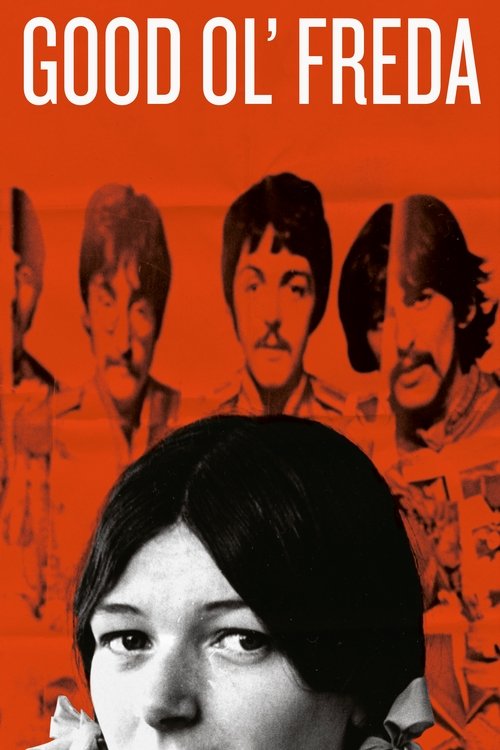
Good Ol' Freda is a traditional biographical documentary that prioritizes historical accuracy and personal memoir. It functions as a localized study of a specific era in British music history. The film adheres closely to the demographic and social norms of the 1960s Liverpool scene. Because it seeks to preserve a specific cultural memory, it does not aim to disrupt existing social hierarchies or implement multi-layered approaches. While the film lacks diverse representation, it succeeds in centering a female voice within a male-dominated historical period.
Category Breakdown
The film focuses on Freda Kelly's recollections of her time with The Beatles. There are no LGBTQ+ characters or narratives addressing non-cisgender identities.
Freda Kelly serves as a central female protagonist and primary narrator. She provides a vital female perspective on a historically male-dominated musical era.
The documentary reflects the demographic reality of the 1960s Liverpool music scene. The subjects are predominantly white, mirroring the specific geographic and socioeconomic context.
This is a nostalgic character study centered on personal memory. It maintains a traditional narrative structure focused on individual legacy rather than institutional critique.
The film touches on the vulnerabilities of aging and the loss of autonomy. These elements are treated as biographical realities rather than central narrative devices.
Present on Screen
Limited or Absent
Official Synopsis
The story of Freda Kelly, a shy Liverpudlian teenager asked to work for a young local band hoping to make it big: The Beatles. Their loyal secretary from beginning to end, Freda tells her tales for the first time in 50 years.
2005
2016
2020
2018
2023
2021
2011
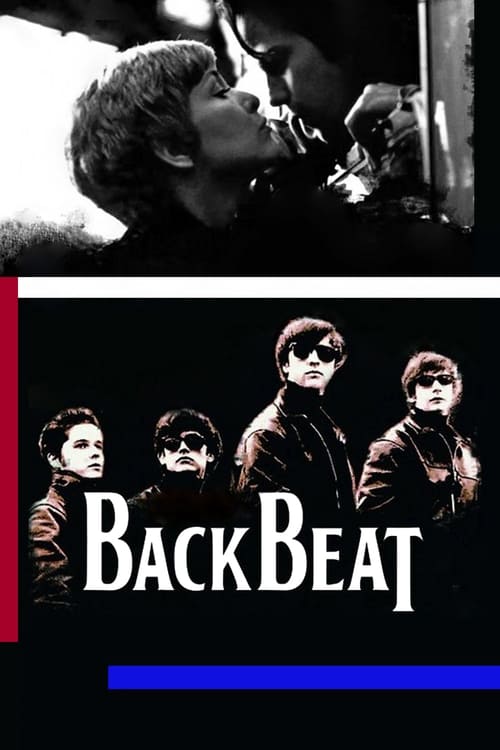
1994
No reviews yet. Be the first to share your thoughts on this movie!
Use the rating form above to leave a star rating and optional review.