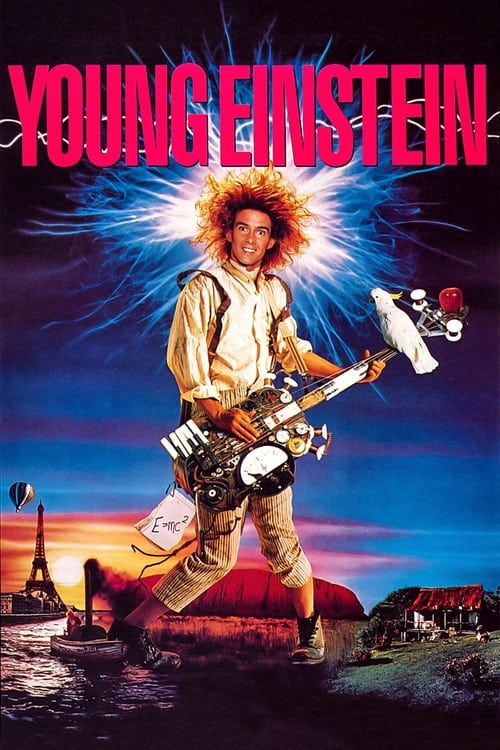
Young Einstein
1988
No user ratings available yet
Representation score: 4.3 out of 10
Representation Score
Fair
1974
PGDirector
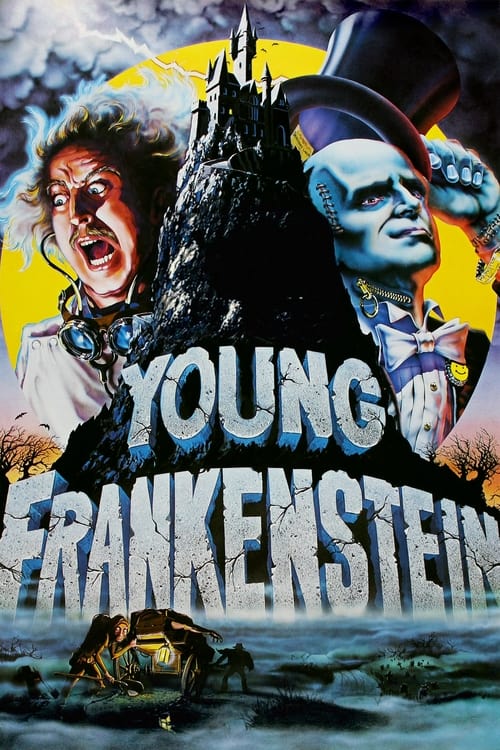
Mel Brooks
Runtime
106 minutes
Average Rating
No ratings yetNew Showbiz Analysis
Young Frankenstein is a masterclass in deconstructing the cinematic language of Universal Horror. Its strength lies in its intellectual subversion of clichés and its embrace of moral ambiguity through absurdity. However, the film remains tethered to the traditional social hierarchies of its era. It lacks demographic diversity, focusing instead on the folly of the mob and individual eccentricity. While it mocks the self-seriousness of authority, the representation of gender, race, and sexuality remains largely conventional and rooted in mid-20th-century archetypes.
Category Breakdown
The film does not include any LGBTQ+ characters or storylines. Romantic arcs focus on straight relationships, such as Frederick with Elizabeth or Inga, using these dynamics as standard comedic set-pieces.
Female characters like Elizabeth and Inga primarily serve as romantic interests or foils. While the film pokes fun at the 'damsel in distress' cliché, it does not significantly disrupt traditional gender hierarchies.
The cast is relatively homogeneous, reflecting the Gothic horror aesthetic of a fictionalized Transylvania. There is no evidence of intentional multi-layered casting or non-white characters within this period-piece setting.
The narrative uses pastiche to mock scientific obsession and religious superstition. It promotes secular skepticism and frames the monster through a lens of moral ambiguity rather than pure villainy.
Igor plays a significant role in driving the story as a plot catalyst, but his portrayal relies on physical distinctiveness for comedic effect. This use of non-normative traits aligns with 1970s comedic archetypes.
Present on Screen
Limited or Absent
Official Synopsis
A young neurosurgeon inherits the castle of his grandfather, the famous Dr. Victor von Frankenstein. In the castle he finds a funny hunchback, a pretty lab assistant and the elderly housekeeper. Young Frankenstein believes that the work of his grandfather was delusional, but when he discovers the book where the mad doctor described his reanimation experiment, he suddenly changes his mind.
1988

1952
2009
1972
1996
1963
1991
1959
No reviews yet. Be the first to share your thoughts on this movie!
Use the rating form above to leave a star rating and optional review.