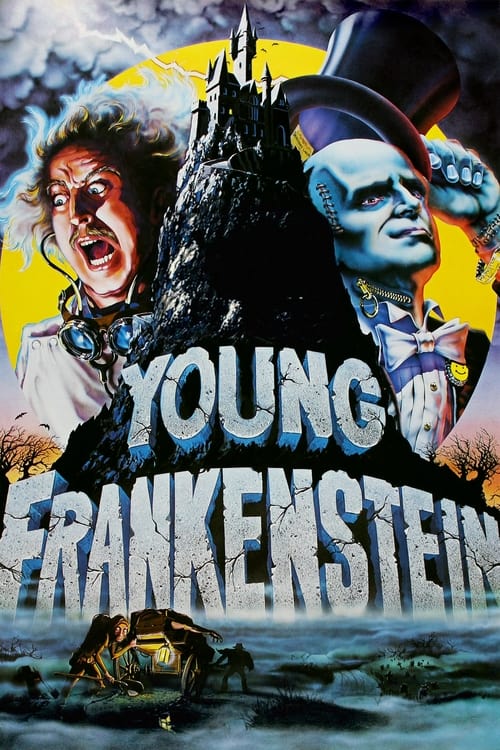
Young Frankenstein
1974
No user ratings available yet
Representation score: 4.9 out of 10
Representation Score
Limited
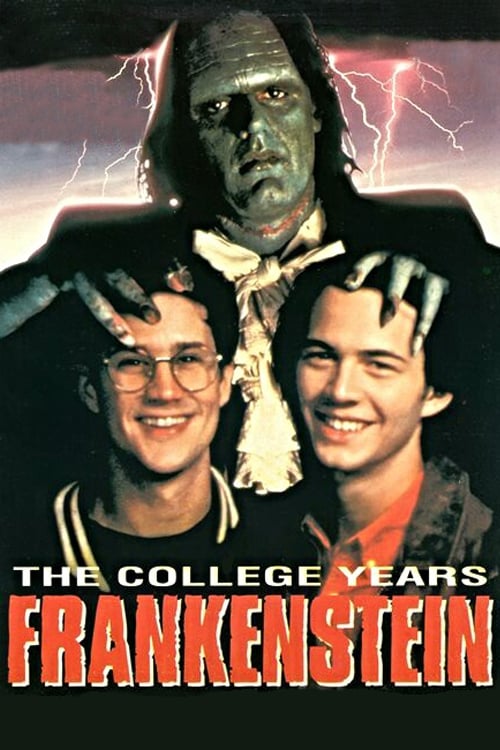
1991
UnratedDirector
Tom Shadyac
Runtime
100 minutes
Average Rating
No ratings yetNew Showbiz Analysis
This film is a typical example of mainstream comedy from the early 1990s. It emphasizes broad, slapstick humor and traditional storytelling over challenging social hierarchies or diverse storytelling. The film adheres to the social norms and structures common during that time.
Category Breakdown
The film follows typical conventions of early 1990s teen comedies and does not include non-straight or non-cisgender identities. It doesn't challenge traditional assumptions about gender and sexuality.
The story focuses on male characters and college stereotypes. It does not show strong roles for women or challenge traditional gender roles.
The movie reflects the limited diversity seen in early 90s American college comedies. It does not intentionally include diverse or multicultural elements within its campus setting.
The film uses Gothic horror in a humorous way, focusing on traditional social structures rather than critiquing broader societal issues.
The character labeled as 'dumb as a brick' is used for comedic effect, which can be seen as using intellectual differences for humor without deeper representation.
Present on Screen
Limited or Absent
Official Synopsis
When professor Lippzigger dies, his favorite student Mark inherits the key to his secret laboratory. There he and his friend Jay find the hundreds of years old body of Frankenstein - and revive it. But where to go with him? They take him with them to their dorms. He's dumb as a brick, but makes it into their football team and becomes popular. If there only wasn't Prof. Loman, who wants to become famous with Lipp's inventions...
1974

1985
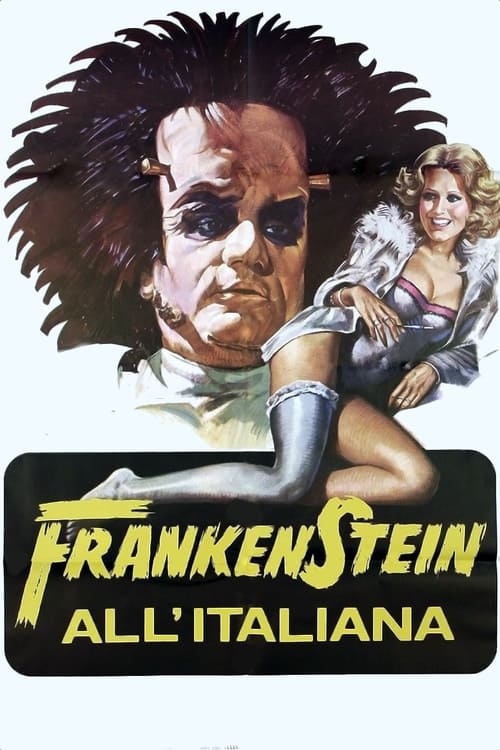
1975

1993
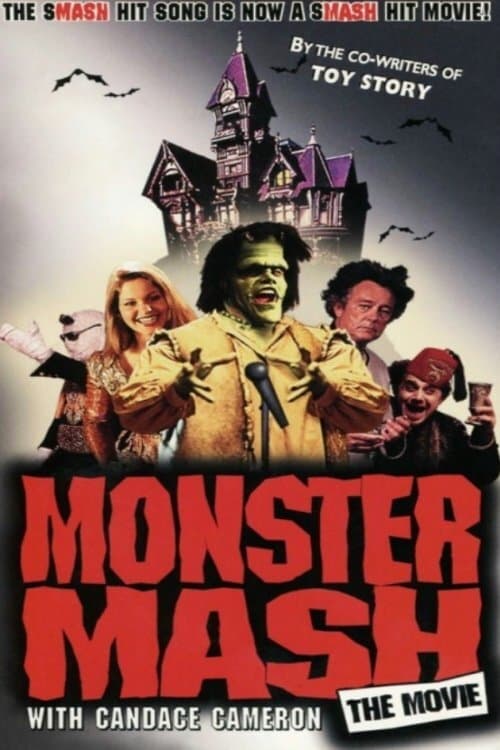
1995
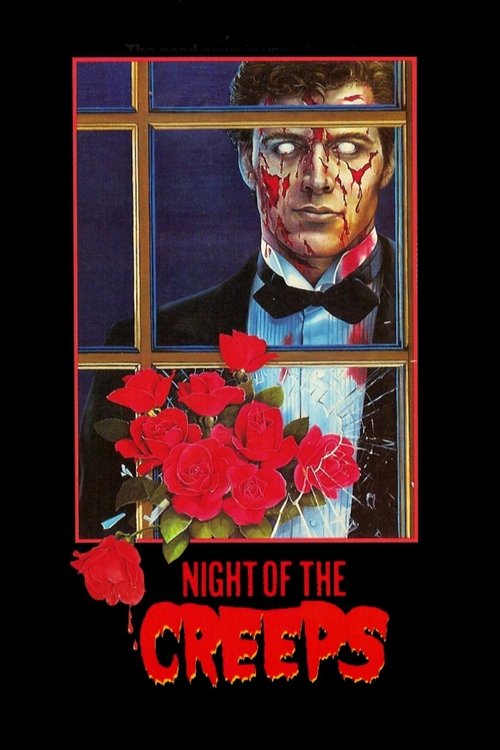
1986
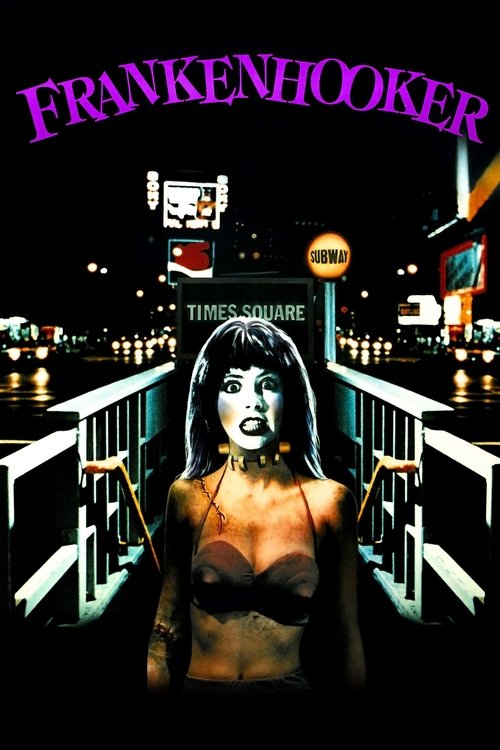
1990

2001
No reviews yet. Be the first to share your thoughts on this movie!
Use the rating form above to leave a star rating and optional review.