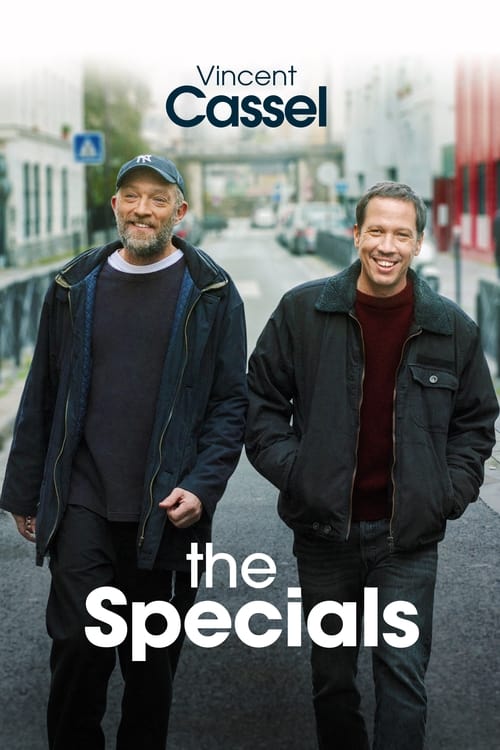
The Specials
2019
No user ratings available yet
Representation score: 8.3 out of 10

Representation Score
Good
2021
Director
Christophe Barratier
Runtime
93 minutes
Average Rating
No ratings yetNew Showbiz Analysis
Fly Me Away places disability at the core of its emotional journey. Instead of using Marcus's condition merely as a plot device, the film portrays it as a transformative force that disrupts the protagonist's complacency. The setting in the Parisian suburbs provides a rich backdrop for exploring socioeconomic complexity and multiculturalism. However, the film's focus on male-driven conflict and the absence of overt LGBTQ+ themes limit its scope. While it excels in portraying vulnerability, it remains somewhat traditional in its gendered narrative structure.
Category Breakdown
The film does not explicitly explore LGBTQ+ identities or dynamics outside of traditional heterosexual relationships. The story revolves around a young person and a child with a medical condition, without addressing LGBTQ+ themes.
The story centers on a male-dominated dynamic between Thomas and his father, highlighting male interpersonal tension. A mother is present in the suburban setting, but she is not a central figure in the main conflict.
Set in the poor suburbs of Paris, the film reflects the city's multicultural reality. The diverse cast mirrors the demographic makeup of the Parisian outskirts.
The film critiques traditional social hierarchies by focusing on an impoverished setting. It moves away from celebratory youth narratives to offer a nuanced view of social engagement.
Marcus, a child with a congenital disorder, serves as the narrative's catalyst. His condition transforms the lives of the other characters, serving as a powerful force in the story.
Present on Screen
Limited or Absent
Official Synopsis
Thomas, a blasé young man, spends his nights in clubs and his days in bed. Until his father, Dr. Reinhard, fed up with his son’s escapades, cuts him off completely and forces him to take care of one of his young patients. Mar- cus, 12, was born with a serious congenital disorder. He lives with his mother in the poor suburbs of Paris and spends his days either at the hospital or in a center for sick children. This encounter will disrupt their lives and change them both, profoundly and forever.
2019
2022

2019
2020

2023

2023

2024

2018
No reviews yet. Be the first to share your thoughts on this movie!
Use the rating form above to leave a star rating and optional review.