
After Everything
2018
No user ratings available yet
Representation score: 5.5 out of 10
Representation Score
Good
2019
RDirector
Jason Winer
Runtime
97 minutes
Average Rating
No ratings yetNew Showbiz Analysis
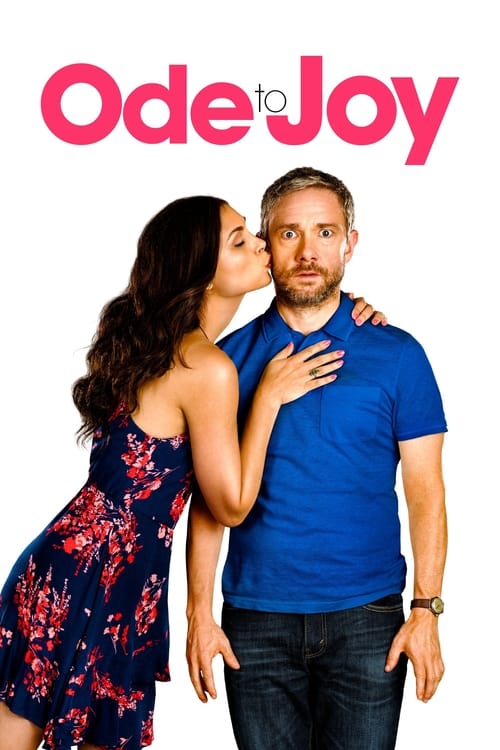
Ode to Joy stands out through its nuanced portrayal of disability. By focusing on a protagonist whose life is influenced by narcolepsy, the film delves into the complexities of neurodivergence rather than relying on surface-level clichés. The film also challenges traditional gender roles. Instead of a tough, unbreakable male lead, the protagonist is portrayed as physically vulnerable and reliant on his partner. However, the film adheres to conventional social norms and lacks LGBTQ+ representation or broader multi-layered exploration.
Category Breakdown
The film focuses on a heterosexual relationship and does not include characters with non-binary gender identities or themes that question traditional heterosexual norms.
The story avoids typical domestic scenarios by emphasizing marital conflict. The male protagonist is shown as vulnerable and dependent rather than a strong leader.
The film features a diverse cast that breaks the mold of a predominantly white domestic narrative. Gugu Mbatha-Raw plays a key role with significant influence over the story.
The narrative follows standard Western medical and social norms. It avoids idealized family scenarios by depicting the home as a place of conflict.
The plot centers around the protagonist's narcolepsy. The film portrays his condition as a complex part of his identity rather than just a plot device.
Present on Screen
Limited or Absent
Official Synopsis
Charlie suffers from a serious disease that causes acute narcolepsy whenever he is happy. Although he develops a variety of techniques to deny himself pleasure and deal with his sleep issues, they’re put to the test when he falls in love.
2018

2007
2018

2007

2019

2000

2001
2018
No reviews yet. Be the first to share your thoughts on this movie!
Use the rating form above to leave a star rating and optional review.